



Mitsubishi’s newest seven-seater brings Connected Car Services, advanced safety technologies, and a digital-first cabin together in a package designed for modern family life. More than simply transporting people, the Destinator aims to keep families connected wherever the road leads.
For years, family SUVs were defined by practical considerations such as seating capacity, cargo space, and ride comfort. While those qualities remain important, modern families now expect something more from the vehicles they drive. They want seamless connectivity, intelligent safety systems, digital convenience, and technologies that integrate naturally into their everyday lives.
The all-new Mitsubishi Destinator arrives at a time when those expectations are reshaping the automotive industry.
Across consumer technology, connectivity has become second nature. Smartphones sync seamlessly with cloud services. Smartwatches communicate with phones. Home devices can be monitored and controlled remotely. Consumers can check security cameras from across town, adjust air conditioners before arriving home, and control appliances through mobile apps. It’s a level of convenience that has quickly become part of everyday life.
Naturally, people are beginning to expect the same experience from their vehicles.
The Destinator reflects that shift. While it fulfills the traditional role of a practical seven-seat SUV, it also embraces a growing reality: today’s family vehicle needs to function as part of a connected lifestyle. It needs to fit naturally into the digital routines that already shape how families work, communicate, and travel.
A Dashboard Designed Around Digital Life
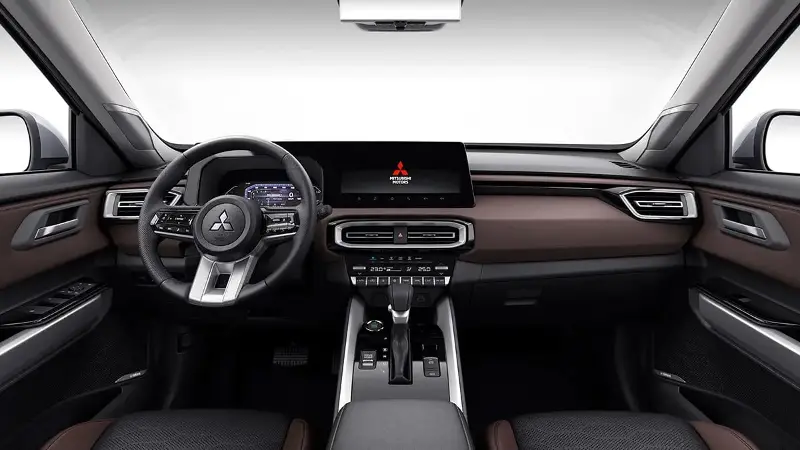
The technology story becomes apparent the moment you get behind the wheel.
A 12.3-inch Smartphone-Link Display Audio system and an 8-inch digital driver display anchor the dashboard. Together, they create a cabin that feels modern and familiar, especially for users who spend much of their day interacting with smartphones, tablets, and laptops.
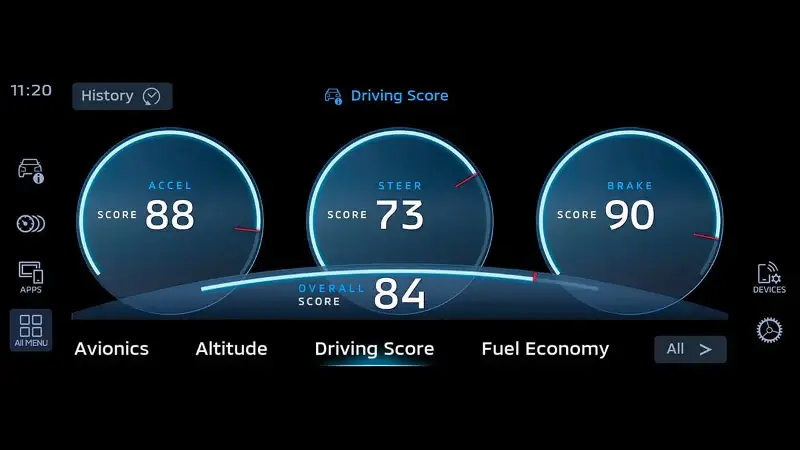
The large infotainment display serves as the central hub for navigation, media, communications, and vehicle information. Graphics are clear, menus are easy to understand, and key functions remain readily accessible.
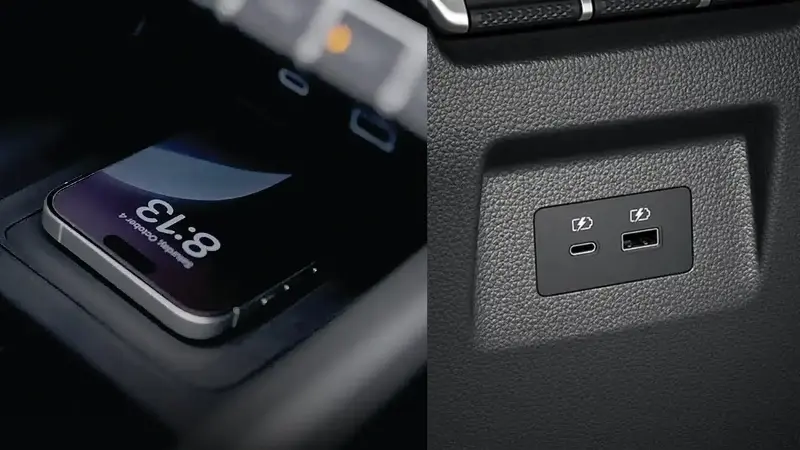
Wireless Apple CarPlay and Android Auto are among the Destinator’s most useful features. Instead of plugging in a phone every time you enter the vehicle, your device can connect automatically, bringing familiar apps and services onto the dashboard.
Just as buyers now expect wireless charging, cloud syncing, and instant connectivity from their devices, smartphone integration has become a non-negotiable part of the modern driving experience. The Destinator responds by making the transition between digital life and driving as seamless as possible.
For many families, this matters more than ever. Navigation apps help avoid traffic congestion. Streaming services keep passengers entertained during long drives. Voice assistants allow drivers to access information while keeping their attention focused on the road.
Most households travel with multiple connected devices. Phones, tablets, smartwatches, wireless earbuds, and portable gaming devices have become part of daily life. The Destinator’s cabin is clearly designed with that reality in mind.
Connected Beyond the Cabin
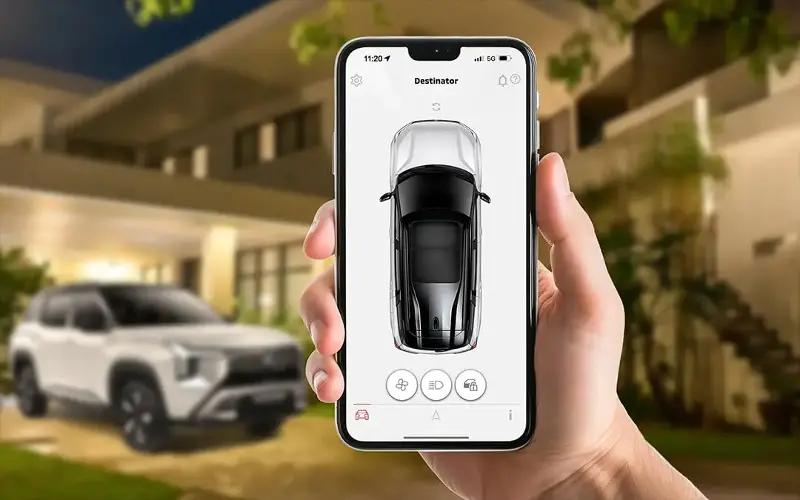
If there is one feature that best represents the Destinator’s technology-focused direction, it is Mitsubishi Connect.
The Destinator is the first Mitsubishi vehicle in the Philippines to feature Mitsubishi Connect and Connected Car Services. That alone makes it arguably the most significant technology development in the brand’s current domestic lineup.
Connected-car technology is rapidly changing the ownership experience. Vehicles are no longer isolated machines that only come to life when the engine starts. They are becoming connected devices that interact with owners through digital platforms and services.
Mitsubishi Connect brings the Destinator into that new era.
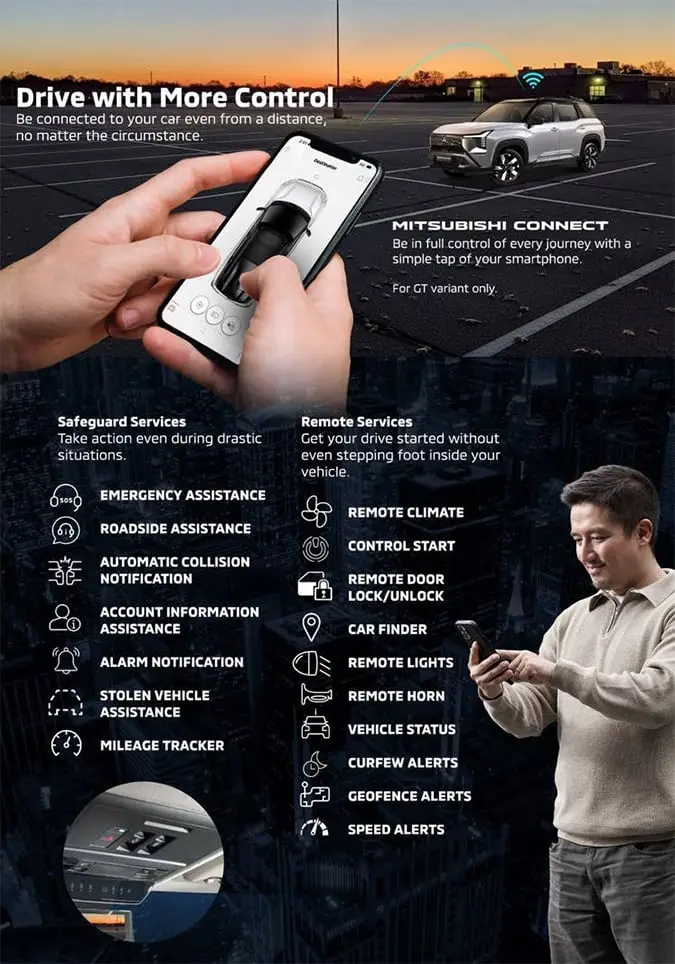
Rather than limiting technology to the dashboard, Mitsubishi Connect and its Connected Car Services extend the ownership experience beyond the vehicle itself. Through the My MITSUBISHI CONNECT app and the vehicle’s embedded telematics system, owners gain access to connected features designed to make everyday ownership more convenient and intuitive.
Remote services such as vehicle status monitoring, remote climate control, remote door lock and unlock functions, vehicle location services, and remote alerts allow owners to stay connected to their vehicle even when they are away from it.
More importantly, Mitsubishi Connect also introduces an added layer of connected safety. Features such as SOS Emergency Assistance, Automatic Collision Notification, Roadside Assistance, and Stolen Vehicle Assistance help provide support when it matters most. In the event of an emergency, occupants can quickly connect with assistance services, reinforcing the Destinator’s role as a vehicle designed around modern family mobility.
For many consumers, this mirrors what has already happened with smartphones and smart-home products. Connectivity is no longer viewed as a premium extra. It has become an expected part of the overall experience.
That is what makes Mitsubishi Connect so significant. It represents the shift from vehicle ownership as a purely mechanical experience to one increasingly shaped by software, connectivity, safety, and digital services.
For Mitsubishi, the Destinator signals a broader shift toward software-driven and connected vehicle experiences. It is likely a preview of where the brand’s future products are headed and how technology will play a larger role in the ownership experience.
Built for the Way Families Travel
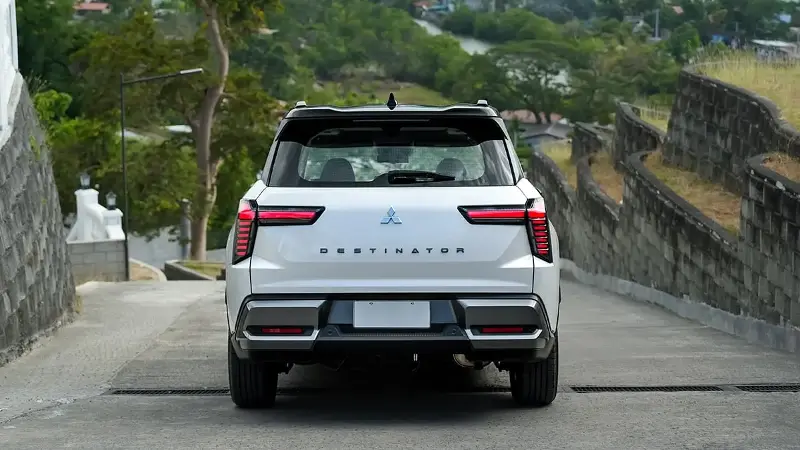
The Destinator combines strong road presence with practical family usability. Mitsubishi’s Dynamic Shield design language, distinctive T-shaped LED lighting signatures, and muscular proportions give the SUV a confident appearance without sacrificing everyday functionality.
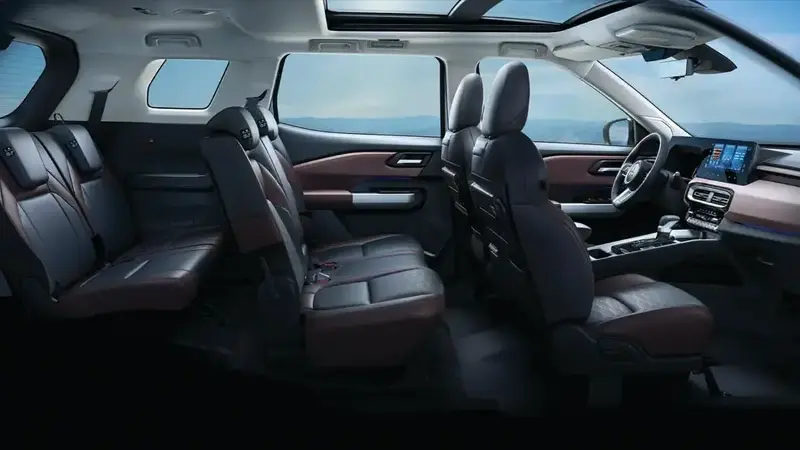
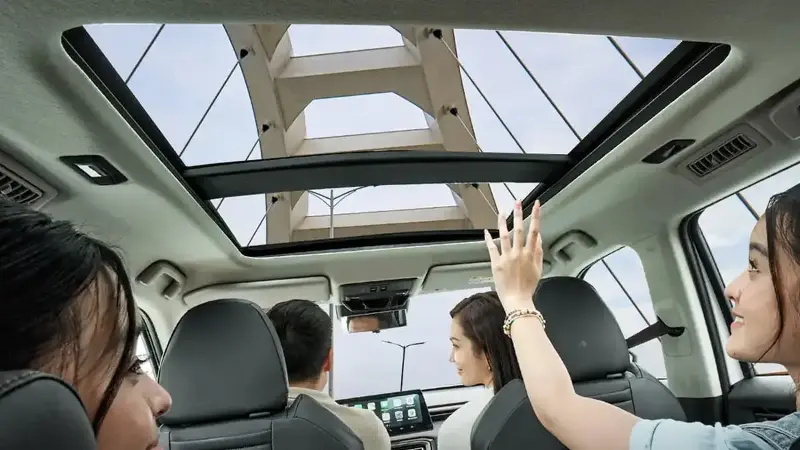
Inside, the three-row cabin provides room for up to seven occupants. A panoramic sunroof helps make the interior feel more open and spacious, while flexible seating configurations allow owners to adapt the space depending on whether they’re carrying passengers, cargo, or both.
The Destinator also offers 214mm of ground clearance. That’s a meaningful advantage in the Philippines, where drivers regularly encounter rough roads, steep parking ramps, unexpected flooding, and uneven provincial routes.
Whether it’s weekday school runs, office commutes, holiday road trips, or weekend escapes, the Destinator is built to adapt to the many roles a family vehicle is expected to perform.
A Smarter Family Space
Beyond connectivity, Mitsubishi has incorporated several technologies that enhance comfort and convenience for everyone on board.
One notable feature is Nanoe X technology, which helps improve cabin air quality. As air purifiers and wellness-focused devices become increasingly common in homes, it is not surprising to see similar technologies finding their way into vehicle cabins. For families spending hours on the road, features that contribute to comfort and well-being are becoming just as important as traditional convenience features.
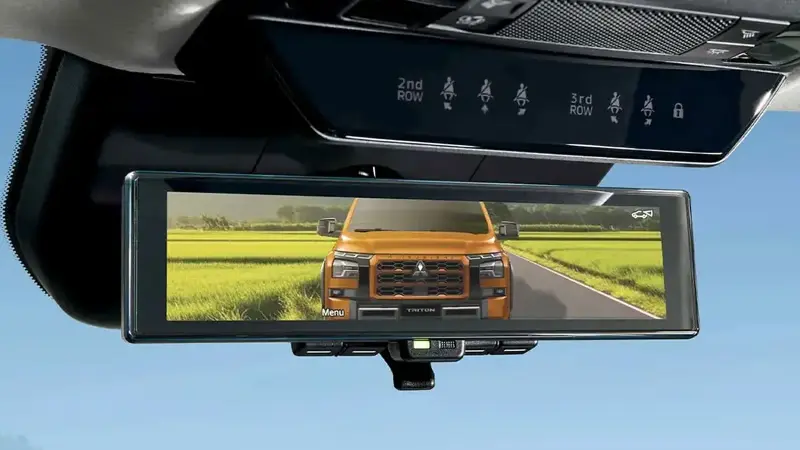
The Destinator also features a Smart Rear View Mirror that provides an unobstructed rearward view regardless of whether passengers or cargo occupy the rear of the vehicle. It’s a simple idea, but one that can make a meaningful difference during everyday driving.
Multiple charging points throughout the cabin help accommodate the growing number of devices that families carry. Phones, tablets, wireless accessories, and other gadgets all require power, and the Destinator is designed to accommodate those needs.
Together, these features reinforce the idea that the cabin is more than simply a place to sit. It has become a connected family space designed around comfort, convenience, and everyday usability.
Technology That Makes Every Journey Better
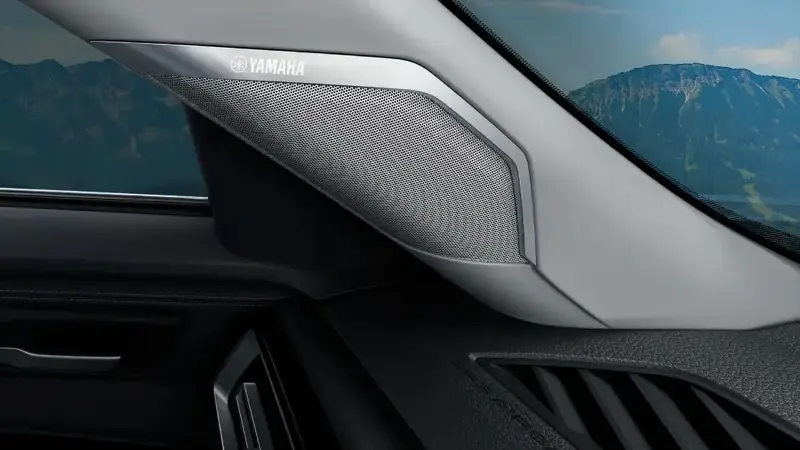
Mitsubishi worked with Yamaha to develop the Dynamic Sound Yamaha Premium audio system. The eight-speaker setup has been tuned specifically for the Destinator’s cabin acoustics, helping deliver a richer and more balanced listening experience throughout the interior.
Family road trips have become increasingly digital experiences. Music playlists, podcasts, audiobooks, video content, and navigation prompts often provide the soundtrack to hours spent on the road. A good audio system may not appear at the top of every buyer’s checklist, but it quickly becomes something passengers appreciate on longer journeys.
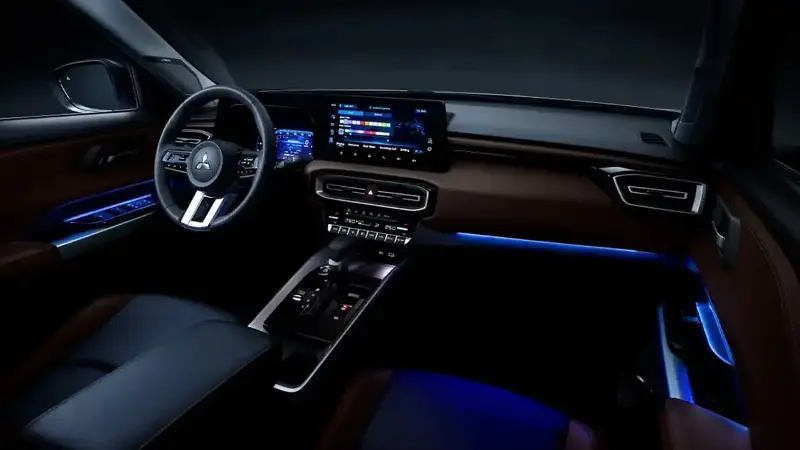
The Destinator also features 64-color ambient lighting, which might seem like a small detail. Yet, it contributes significantly to the overall feel of the cabin. Drivers can personalize the interior atmosphere to match their preferences, much like customizing a smartphone or computer interface.
These features may not affect performance, but they can have a meaningful impact on everyday ownership satisfaction. After all, the best technologies are often the ones that quietly improve daily experiences rather than constantly demanding attention.
Turbocharged for Everyday Driving
Connectivity may be the headline story, but the Destinator still needs to perform its primary task well: moving families comfortably and confidently.
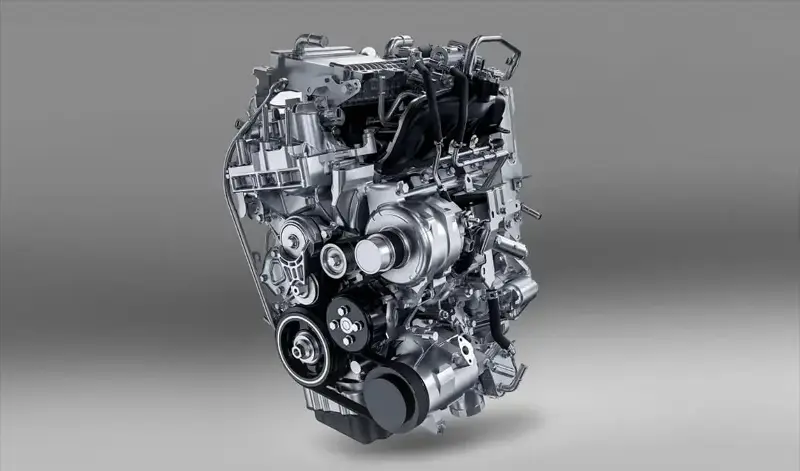
Power comes from a turbocharged 1.5-liter MIVEC gasoline engine producing 163PS and 250Nm of torque. Paired with a continuously variable transmission, the setup is designed to deliver responsive performance in both city and highway driving.
Rather than chasing outright performance numbers, the powertrain focuses on smoothness, flexibility, and confidence when carrying passengers and cargo.
Whether navigating urban traffic, overtaking on highways, or climbing steep roads with a full complement of passengers, the Destinator’s powertrain is engineered to perform confidently across the situations drivers encounter every day.
Confidence Across Different Conditions

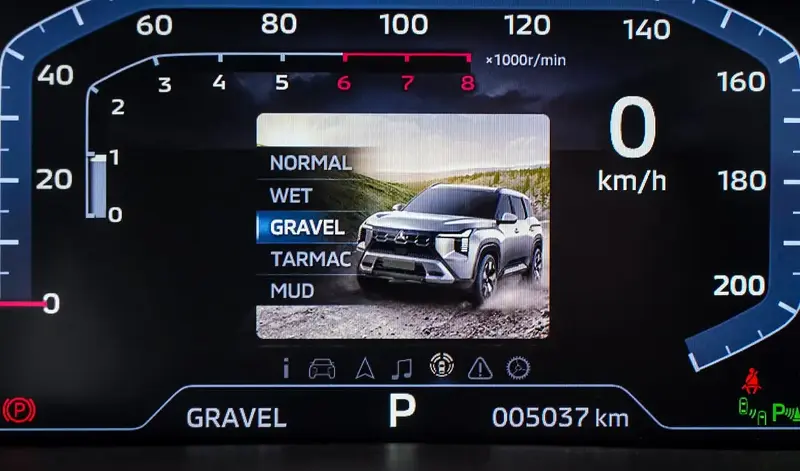
Mitsubishi has also incorporated technologies that help drivers feel more confident behind the wheel.
The Destinator offers five selectable drive modes: Normal, Wet, Gravel, Mud, and Tarmac. Each mode adjusts vehicle behavior to better suit different driving surfaces and conditions.
Working alongside these systems is Mitsubishi’s Active Yaw Control technology. By helping manage braking force between the front wheels during cornering, the system contributes to more predictable handling and improved stability.
These are the kinds of technologies that drivers may not actively think about every day. Yet they play an important role in making the vehicle feel more composed and reassuring across a wide range of road conditions.
Safety Working Quietly in the Background
Perhaps the most valuable technologies in the Destinator are those that operate without requiring attention.
Mitsubishi Motors Safety Sensing brings together a collection of advanced driver-assistance systems designed to support drivers in everyday situations.
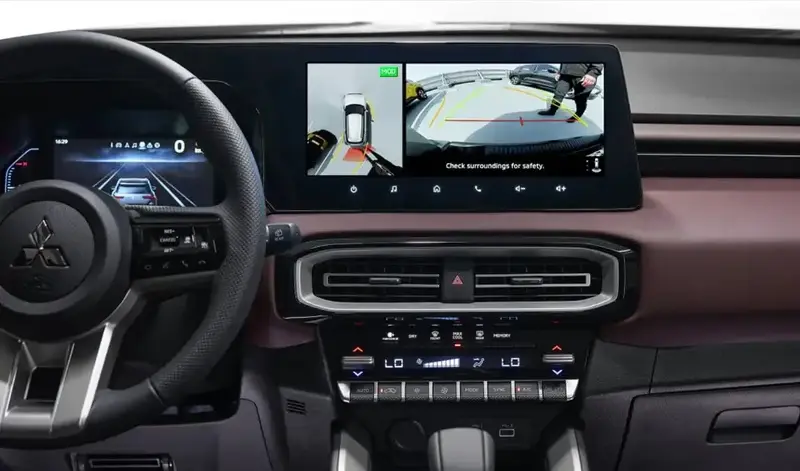
Forward Collision Mitigation helps monitor traffic conditions ahead. Adaptive Cruise Control can reduce fatigue during longer highway journeys by helping maintain a safe following distance.
Blind Spot Warning and Rear Cross Traffic Alert provide additional awareness in busy environments where motorcycles, pedestrians, and surrounding vehicles can be difficult to track.
The Multi Around Monitor system gives drivers a clearer view of their surroundings when parking or maneuvering in tight spaces.
Importantly, these technologies are not designed to replace the driver. Their role is to provide additional information and support, helping reduce stress and improve awareness when conditions become challenging.
For many drivers, that extra layer of confidence may be one of the Destinator’s most compelling features.
Bottomline
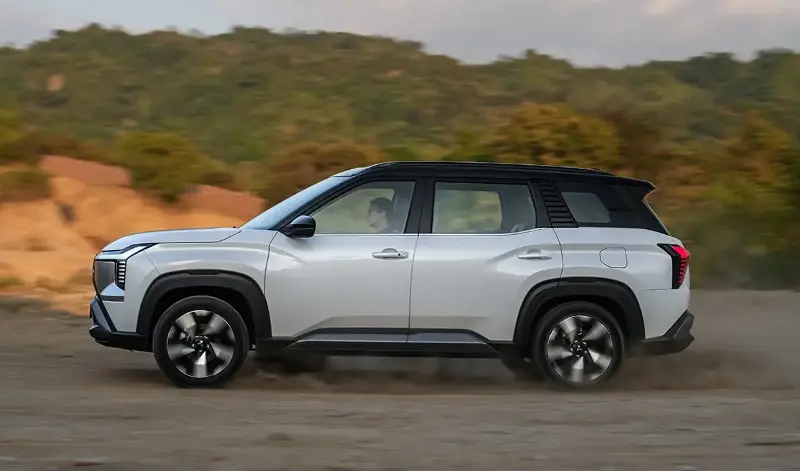
The Mitsubishi Destinator’s biggest strength is that it doesn’t treat technology as a separate feature. Connectivity, entertainment, safety, and convenience are woven into the overall ownership experience. From Mitsubishi Connect and Connected Car Services to its digital cockpit, Nanoe X technology, Yamaha-tuned audio system, advanced driver-assistance technologies, and versatile family-friendly cabin, the Destinator reflects how modern SUVs are evolving.
More importantly, it shows how family vehicles themselves are changing. Connectivity is no longer an added feature or a premium extra. It is becoming a core part of the ownership experience.
Just as smartphones evolved from communication tools into digital hubs for everyday life, vehicles are undergoing a similar transformation. The Destinator reflects that shift, combining transportation, connectivity, entertainment, and safety into a single platform designed for modern families. For buyers looking for a vehicle that supports both family life and today’s connected lifestyle, it makes a compelling case as the connected family SUV.
Mitsubishi Connect at a Glance
Most connected vehicle features focus primarily on convenience.
The Destinator goes a step further.
Through Mitsubishi Connect and Connected Car Services, owners gain access not only to remote functions that enhance convenience but also to safeguard features designed to provide assistance when it matters most.
In a market where connected features often focus solely on convenience, Mitsubishi Connect combines connectivity, safety, and peace of mind into a single platform. For parents, daily commuters, and frequent travelers alike, it adds another layer of confidence to the ownership experience.