



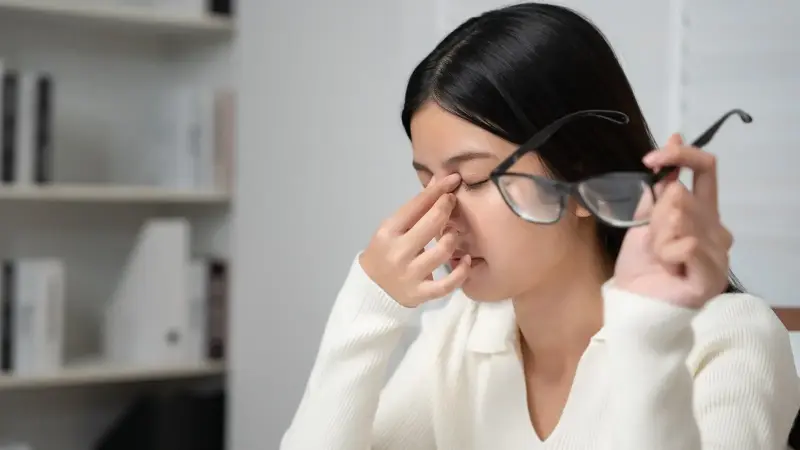
The monsoon offers relief from summer heat but also fosters the spread of diseases, such as conjunctivitis (pink eye). Outbreaks rise during this season as humidity and crowding make viral infections easier to transmit. Conjunctivitis is the inflammation of the conjunctiva, which is the thin membrane covering the white part of the eye and inner eyelids. It can be caused by viruses, bacteria, allergens, or irritants, but viral conjunctivitis is most common during the rainy season. It spreads quickly through contact with infected eye fluids or contaminated surfaces.
Early signs and symptoms to watch for
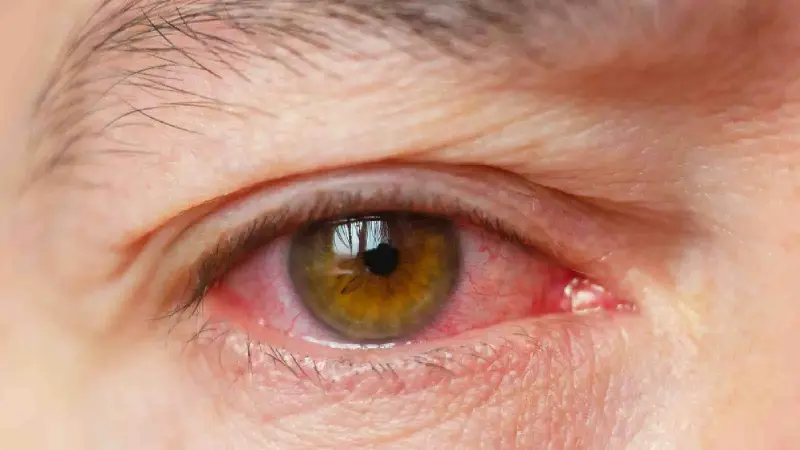
Infants, the elderly, or immunocompromised individuals are prone to conjunctivitis. People should learn to identify the signs and symptoms of conjunctivitis during this time. Common symptoms of conjunctivitis include redness in one or both eyes, excessive tearing, irritation, a burning sensation, foreign body sensation, mild eyelid swelling, sticky discharge (especially on waking), sensitivity to light, and temporary blurred vision caused by excessive watering. A recent history of contact with someone who has conjunctivitis may also increase the likelihood of infection. Children may frequently rub their eyes, while adults may complain of discomfort while reading or using digital screens.
When to see a doctor?
Most cases of viral conjunctivitis are mild and resolve on their own. However, an eye specialist should be consulted if symptoms are severe, worsening, or accompanied by warning signs such as pain or vision changes. Especially if you have blurred vision, severe eye pain, high light sensitivity, dense yellow/green discharge, and symptoms lasting for 4 to 5 days or more. Sometimes, there could even be corneal involvement, which involves the deeper layers of the eye. Early detection helps prevent complications, reduce risk, and ensure timely treatment.
10 ways to manage conjunctivitis during monsoon
1. Maintain good hand hygiene: Wash your hands after touching your face to reduce the spread of germs.
2. Do not rub your eyes: It may cause the infectious substance to spread from one eye to another or among family members.
3. Do not share personal items: Avoid sharing personal items that come into contact with your hands or eyes, such as handkerchiefs, pillows, eye makeup, contact lens cases, or eyeglasses. This helps in reducing the transmission of the disease to another person.
4. Cold compress: Apply a clean, cold compress over closed eyelids to help reduce redness, irritation, and swelling.
5. Use prescribed medicine: Always use prescribed topical medications as directed by an ophthalmologist. Most cases of red eye do not require antibiotics. Viral conjunctivitis usually resolves on its own, while bacterial conjunctivitis requires treatment.
6. Do not wear contact lenses: Avoid wearing contact lenses until the infection is completely treated and an eye doctor suggests them again.
7. Do not self-medicate: Avoid self-medicating with steroid eye drops, as they can worsen certain infections, increase eye pressure, and mask serious eye conditions.
8. Use sunglasses while being outdoors: The glasses act as a physical barrier against rain splashes, dust, and airborne pathogens when commuting in crowded or polluted areas. You can also use the mask to help protect against respiratory infections that may lead to pink eyes. Cover your mouth with a mask while coughing or sneezing and dispose of it properly.
9. Limit close physical contact with others: If you have conjunctivitis, avoid close contact with others and maintain good hygiene to reduce the risk of transmission.
10. Maintain hygiene: Regularly clean frequently touched surfaces such as mobile phones, keyboards, doorknobs, desks, and other objects. They should be disinfected regularly, as viruses can survive on surfaces for several hours.
While conjunctivitis is usually mild, following good hygiene practices, avoiding self-medication, and seeking timely medical advice when needed can help prevent complications and reduce transmission during the monsoon season.