




It is evident that chronic inflammation is often overlooked and affects all organs, especially the brain. Chronic inflammation always begins with an acute inflammation, which causes tissue destruction. Then, during tissue repair, there may be an inadequate response, leaving long-term tissue damage, cell death, and loss of body functions.
Organs at risk
Chronic inflammation can involve the pancreas in addition to the brain, causing fibrosis. It can cause bronchitis, which can lead to chronic obstructive lung disease. It can precipitate various types of infections, including bacterial, viral, fungal, and parasitic. It can cause chronic gastritis, inflammatory bowel disease, atherosclerosis, plaques in the coronary arteries, rheumatoid arthritis, and systemic lupus erythematosus (SLE), an autoimmune disease. This chronic inflammation generally precipitates a cascade of lymphocyte, macrophage, plasma cell, and mononuclear cell infiltrations.
These are all immune cells that respond to chronic inflammation and cause tissue destruction. Any attempt at repair involves fibrosis and angiogenesis. That means the formation of new blood vessels, causing persistent injury, prolonged toxic effects, and autoimmune disease states, which can often be precipitated or exaggerated. These generally occur as an infiltration of mononuclear cells within 48 hours, surrounding the external antigen. These are scattered throughout the body, including affecting microglia in the brain, various kinds of alveolar macrophages in the lungs, among others.
The morphology
The morphology of chronic inflammation includes B and T cells, antigen-activated plasma cells, and eosinophils, with IgE-mediated eosinophilia resulting in an inflammatory state that persists for weeks, months, and years. The various factors which precipitate chronic inflammation are lifestyle diseases such as diabetes, hypertension, smoking, alcohol, obesity, which apart from causing chronic inflammation precipitates 19 types of different body organ cancers and various other impacts such as disrupted sleep pattern, abnormal sleep timings, excess screen time, or play games for especially for the adolescents, substance abuse, persistent pathogens which linger on in the bodies, such as in COVID-19, autoimmune diseases, environmental toxins which include pollutants, micro nano plastics, and industrial chemicals, including toxic fumes and heavy metals.
The impact on the brain
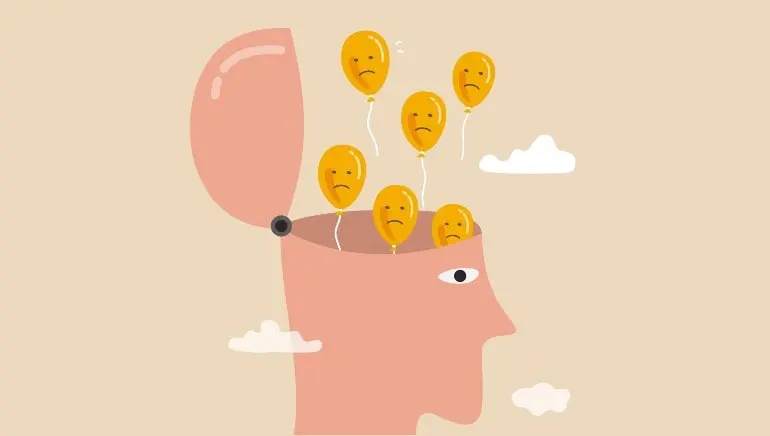
The warning signs, as far as the impact on the brain is concerned, include fatigue, loss of concentration, attention deficit, behavioral changes, aggression, difficulty sleeping, unexplained, unprovoked responses, and disruptions in interpersonal relationships, ultimately leading to what we call brain atrophy. The total mass of the brain is involved. It decreases cognitive function; scholastic performance declines (children's performance in school declines); poor performance and productivity in work environments, especially among young adults, are observed; and there is a substantial release of cytokines, including interleukin-1, interleukin-6, and interleukin-10. Various markers are released, involve inflammatory pathways, and precipitate further injury for a very prolonged period.
The risks and recovery
As far as recovery is concerned, it is almost always only partial. The trigger pathways for this are what we call as pathogen-associated molecular patterns, which we call as PAMs and damage-associated molecular pattern called as PAMs and DAMs, pathogen-associated molecular patterns and damage-associated molecular patterns. These then damage the pattern recognition receptors, which we call PRRs, such as Toll-like receptors. These cause inflammatory pathways. They cause a cytokine storm, and many of the immune cells involved, known as macrophages, accumulate in local tissues, including the brain. The blood supply of the brain is often diminished. You get areas of plaque formation in the cerebral blood vessels. It can precipitate stroke. It can precipitate long-term Alzheimer's dementia, attention deficit disorders, cognitive dysfunction, memory loss, behavioral changes, and personality changes, among others.
The key point is recognizing the acute phase so that it can be controlled. Treatment for chronic inflammation is available, which is disease- or origin-specific. Consult your local doctor. Do not hide symptoms. Avoid trigger factors such as alcohol abuse, substance abuse, smoking, vaping, and passive exposure to smoke. Avoid exposure to pollutants, especially during peak pollution periods. Be aware of pollution periods, especially in Delhi-NCR in the winter, and look out for warning signs that a local doctor can manage.