



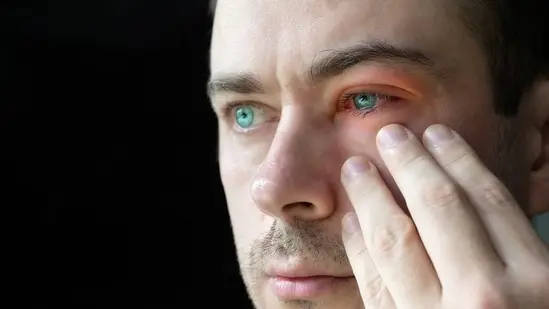
Eye-related irritation and infections are common during the monsoon season. The rain ushers in several environmental changes, such as high humidity and exposure to contaminated water. These conditions can make your eyes more susceptible to seasonal infections. Knowing about them beforehand can help you recognise the warning signs and seek medical attention on time. So, does it mean the monsoon is tough on your eye health? And if yes, why?
ALSO READ: Headaches getting worse during monsoon? Neurologist warns against relying on painkillers for relief
Dr Apoorva Jadhav, consultant at NIO Eyes+, Kharadi, Pune, confirmed to HT Lifestyle that the monsoon can indeed increase the risk of eye infections and outlined the five common conditions to watch out for.
Why does the monsoon increase eye infections?
There are several reasons why the monsoon provides ideal conditions for bacterial infections. The ophthalmologist identified the season's warm and humid environment as one of the main factors promoting bacterial growth. She also highlighted contaminated water exposure, overcrowded public places with inadequate hand hygiene, as other reasons.
Who should be most careful?
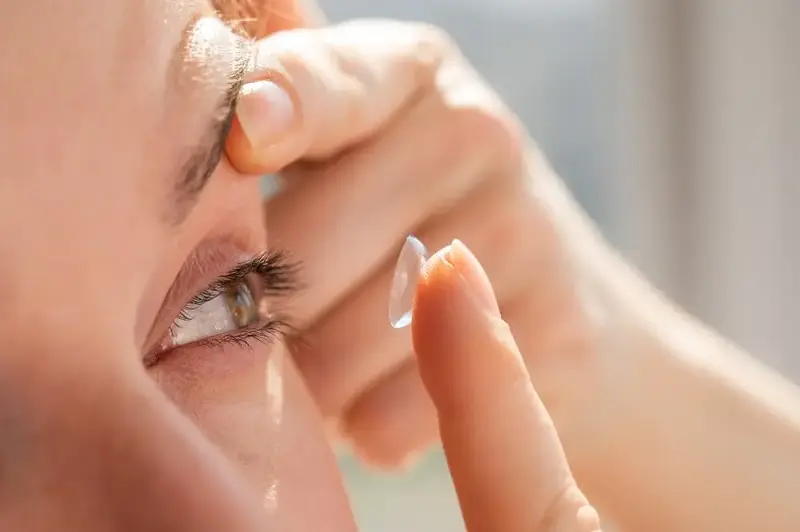
Who are the most vulnerable? The ophthalmologist cautioned, “Individuals wearing contact lenses, diabetics, those having weak immunity, and those suffering from skin diseases related to the eyes are at a higher risk of contracting a serious infection during this season.”
What are the 5 most common eye infections in the monsoon?
Dr Jadhav listed the most common infections along with the early signs for detection:
1. Conjunctivitis:
- Most commonly encountered eye condition during the monsoon is conjunctivitis.
- Spreads easily through direct contact and contaminated surfaces.
- Redness, watering, discharge, and sticky eyelids are the common symptoms of conjunctivitis.
- Highly contagious and spreads rapidly through direct contact.
2. Stye:
- Painful red swelling along the eyelid caused by a bacterial infection of the eyelid glands.
- Also becomes more frequent due to bacterial infection of the eyelid glands, due to poor eyelid hygiene.
3. Keratitis:
- Inflammation of the cornea, which is the outer layer of the eye.
- This infectious keratitis is mostly seen in contact lens users, and it might lead to corneal damage and permanent vision loss.
- Eye pain, redness, blurred vision, watering, and sensitivity to light are the common symptoms. It requires early treatment to prevent corneal damage.
4. Corneal ulcer:
- Corneal infection is seen among contact lens users and among people with minor eye injuries.
- A corneal ulcer is an open sore on the clear outer layer of your eye (the cornea), caused by bacteria or fungi.
- Severe pain, marked redness, reduced vision, excessive tearing, and sometimes a white corneal spot are often seen among people with a corneal ulcer, and this is an ophthalmic emergency.
5. Allergic eye disease:
- Non-infectious eye disease that flares up during the monsoon.
- It usually happens to people whose immune system overreacts to airborne particles, pollen, or dust mites.
- The common symptoms of allergic eye disease are intense itching, redness, watering, and eyelid swelling caused by environmental allergens during monsoons.
- It can also cause irritation in the eyes, and excessive eye rubbing might increase the risk of secondary infection.
Based on the conditions flagged by the doctor, redness and watering may overlap across several eye problems. However, they are among the earliest warning signs and should not be dismissed as ordinary seasonal irritation, especially if accompanied by pain, blurred vision, discharge, or sensitivity to light.
How to prevent?
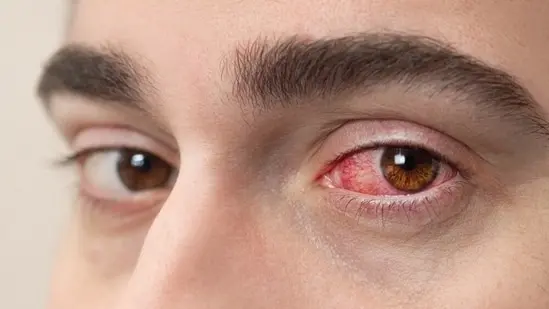
Simple hygiene practices can substantially reduce the risk of developing eye infections during the monsoon. Since contaminated hands and improper contact lenses can expose you to bacteria, when you follow everyday precautions, you can mitigate the risk of eye infections. Dr Jadhav recommended the following preventive measures:
- Washing your hands regularly, especially when coming home from outside
- Avoid rubbing your eyes
- Avoid sharing towels, eye cosmetics, or eye medications
- Always use meticulously clean contact lenses
- Using protective eyewear or sunglasses to prevent dust, debris, and contaminated water from entering the eyes during outdoor activities
- Avoid self-medicating with over-the-counter eye drops
Note to readers: This article is for informational purposes only and not a substitute for professional medical advice. Always seek the advice of your doctor with any questions about a medical condition.