



Standing on the sea wall in Lymington in Hampshire, I watched a large white bird fly low overhead. Its head looked too long, like a child’s drawing of a bird, with a spatula where the bill should be. “Spoonbill!” I shouted, pointing. Generally, pointing and shouting are frowned upon when wildlife watching, but I was excited for good reason. Spoonbills have been absent from the UK for around 360 years and are now staging a comeback. And they’re not the only ones.
Bison graze in Kent, beavers paddle in London, and cranes fish in Somerset. This is not the UK in 1600, before habitat destruction and hunting drove many species to extinction; this is 2026, and conservationists are starting to turn the tide.
From reintroducing lost species to translocations (creating new populations from existing ones), projects across the UK are working to return many species, including some keystone species that help shape our ecosystems and even combat climate change.
Here’s how to experience it for yourself with the family this half term.
1. Beavers in Ealing, London
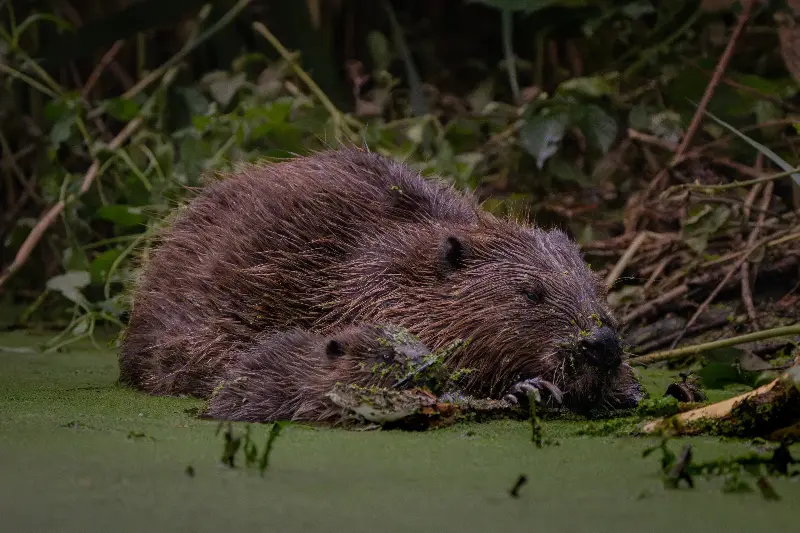
I’m hot on the trail of a beaver. Beside the river are felled trees and gnawed stumps, all the signs I’m looking for. But this isn’t the wilds of Scotland; it is Ealing, an eight-minute walk from Greenford station. Beavers have been reintroduced across the UK, but the Ealing Beaver Project is by far the most accessible for little legs. These nocturnal rodents are hard to spot, so visit early in the morning or late evening from May to September for the best chance. Şeniz Mustafa, Urban Beaver Officer, recommends joining a regular event or using the self-guided tours in the Voicemap app.
2. Cranes, Norfolk Wildlife Trust Hickling Broad, Norfolk
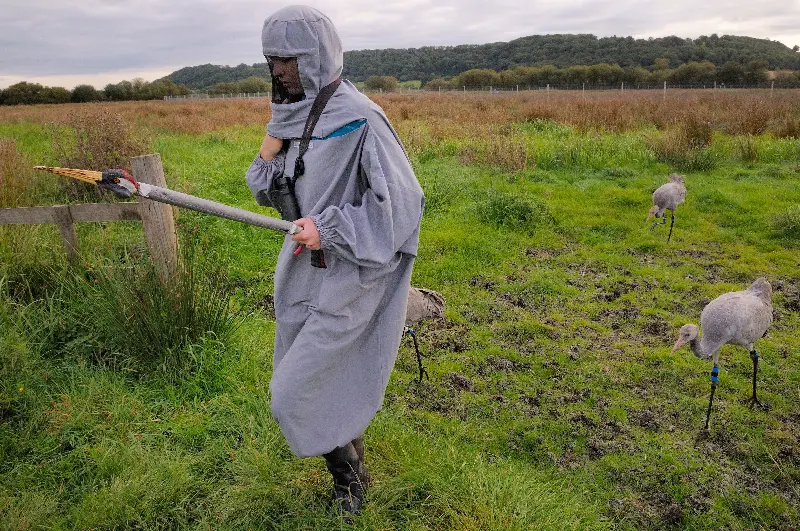
Cranes don’t look like they belong in the UK. Impossibly tall with a beautiful red flash on their heads, they would appear more at home in Japanese prints. But here they are, gathered together in Norfolk in their winter roost as the sun slowly sets. Like the spoonbill, they were driven out some 400 years ago by wetland drainage and hunting pressure. In recent years, as some birds started to migrate here again, conservationists have helped them breed, even donning hilarious crane costumes and acting as surrogate parents for chicks. Brave the chilly weather (bribe the kids with a hot chocolate) and see them at Norfolk Wildlife Trust Hickling Broad or in Somerset.
3. Pine martens, Rothiemurchus Estate, Scotland
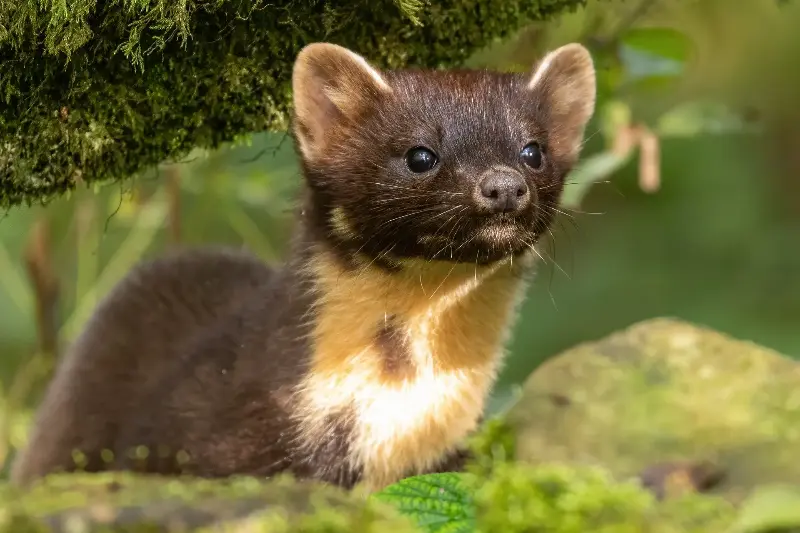
If you’re passionate about wildlife, nothing beats a visit to the Cairngorms National Park. Emerging from my tent on a chilly September morning, awoken just after dawn by tenacious Red Grouse, is probably one of the few times I’ve not begrudged an early wake-up call. But I missed one species on my visit: the pine marten. Once common, the UK’s rarest mustelid is now largely confined to the north. A trip to Rothiemurchus Estate is a great way to see them. Explore the estate by pony or quad bike to make it an action-packed family holiday.
4. White-tailed eagles, Hebrides
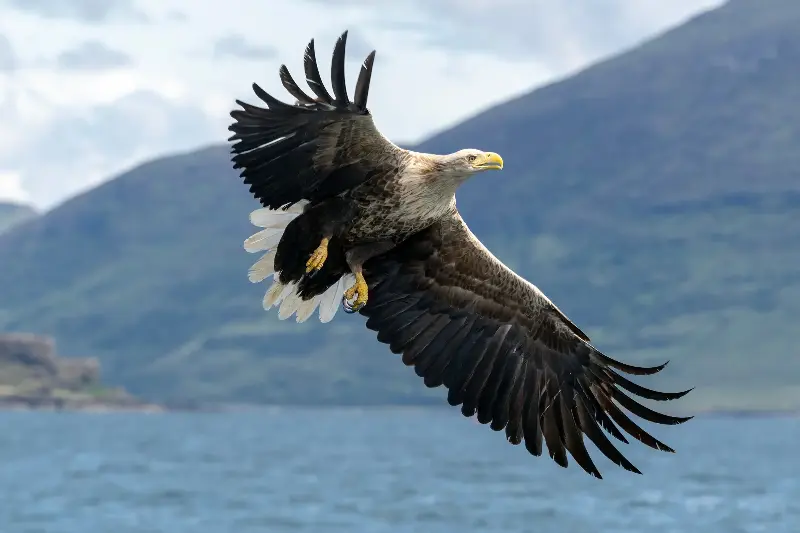
One of the most irritating things a seasoned wildlife watcher can say about species ID is, “You’ll know when you see it”, but with white-tailed eagles (or sea eagles), they have a point. Nicknamed the “flying barn door”, these birds are massive. Spearheaded by the legendary Roy Dennis, a project brought white-tailed eagles were back to the UK in the 1970s. Today you can see them in Scotland and the north of England, and recent projects have also brought them down south. The Hebrides is one of the best places to see them, and boat trips from Portree on the Isle of Skye are ideal for budding photographers, who can get a real money shot from the water.
5. Bison, West Blean and Thornden Woods, Kent
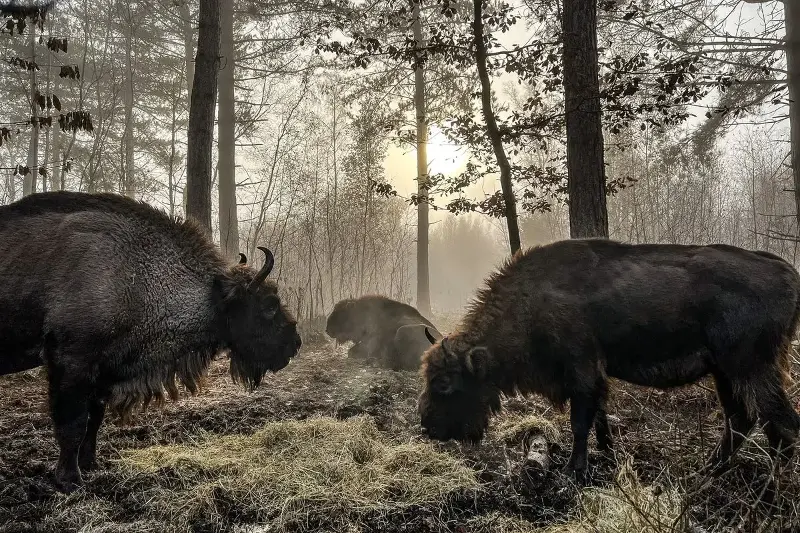
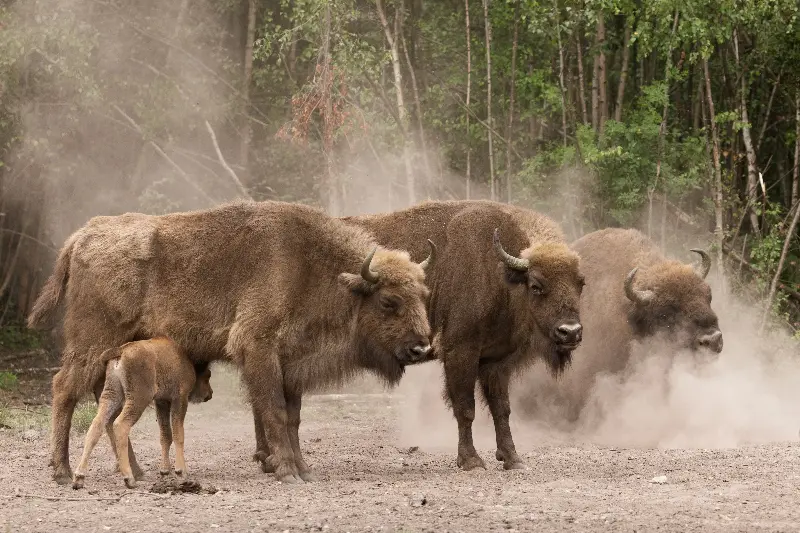
Stepping carefully through a hushed woodland and watching a herd of bison graze the forest margins, you feel as though you’ve travelled back in time. This is Wildwood in Kent, a site where bison have been brought back to the UK after about 12,000 years. “Although this is ancient woodland, significant areas were historically clear-felled and planted for timber production. The aim is to encourage a more varied, dynamic woodland,” explains Donovan Wright, bison and rewilding ranger at Wildwood Trust. “Within hours of being released, the bisons’ everyday behaviour was creating a variety of habitats that other species can use.” From 17 October to 1 November, up to two children under 18 can visit Wildwood for free, along with two full-price paying adults.
6. Red squirrels, The Garlic Farm, Isle of Wight
If you’d rather have a winter wildlife experience where you can sit inside with a cup of coffee and access baby-changing facilities, this one is for you. Settle into the cafe, enjoy the seasonal fare, and watch a British species perform outside: the red squirrel. Though never lost from our isles, red squirrels have been pushed to the brink largely by competition with greys. A few pockets remain, and the dedicated feeders at The Garlic Farm regularly attract visitors to this island stronghold.
7. Bluefin tuna, Cornwall or Wales West coast
Though often grey and choppy, UK seas are home to some surprising species: orcas, basking sharks, leatherback turtles and even bluefin tuna. These huge fish were once a regular sight, but overfishing meant no one had seen them in the UK for 60 years. In the last decade, numbers have begun to improve. Take a boat trip to see them breaching the water as they hunt herring. Even teenagers will be impressed.
8. Spoonbills, RSPB Arne, Dorset
The south coast, where I saw my first Spoonbill, is a great place to spot these unique birds. Take your binoculars to RSPB Arne and look across Poole Harbour. The RSPB uses drones and other technologies to monitor and support this returning breeding species, and in 2025, a number of chicks (teaspoons) took their first wobbly steps on UK shores. RSPB Arne has wide, level, pushchair-friendly paths and short routes, plus baby changing facilities.