



Children are growing up in a world where video calls, voice assistants, and touchscreens are as ordinary as television once was. For parents, the primary question is not whether technology will be part of childhood, but when and how it should enter the picture.
Some families introduce a tablet during toddlerhood; others prefer to wait until school age or later. The healthiest approach depends on a child’s development, the quality of the content, and the role adults play alongside the screen. Technology offers creative play and access to knowledge, yet childhood also requires unhurried conversation, outdoor movement, quality sleep, and face-to-face relationships.
What Research Says About Early Screen Use
Major health organizations offer clear guidelines to help families establish balanced routines:
- Under 1 Year: The World Health Organization advises zero sedentary screen time, prioritizing active movement and caregiver bonding.
- 18 to 24 Months: The American Academy of Pediatrics suggests avoiding digital media except for interactive video chats, unless parents select high-quality programming to watch together.
- Ages 2 to 5 Years: Experts recommend limiting use to about one hour daily of high-quality content, ideally with an adult present.
Context matters far more than a simple timer. A brief video call with a grandparent offers a rich, personal connection that differs completely from scrolling through rapid, solo content.
The Case for Starting Early, Carefully
When used thoughtfully, technology serves as a powerful tool for learning and connection:
- Building Family Bonds: Video chats keep young children connected with distant relatives.
- Accessibility and Inclusion: Speech-to-text tools, audiobooks, and specialized communication apps provide vital learning bridges for children with different developmental needs.
- Interactive Learning: Older children can explore coding, languages, music production, and science through modern digital media.
The key practice is co-viewing. Asking interactive questions—like “What do you think will happen next?”—transforms passive watching into active, conversational learning.
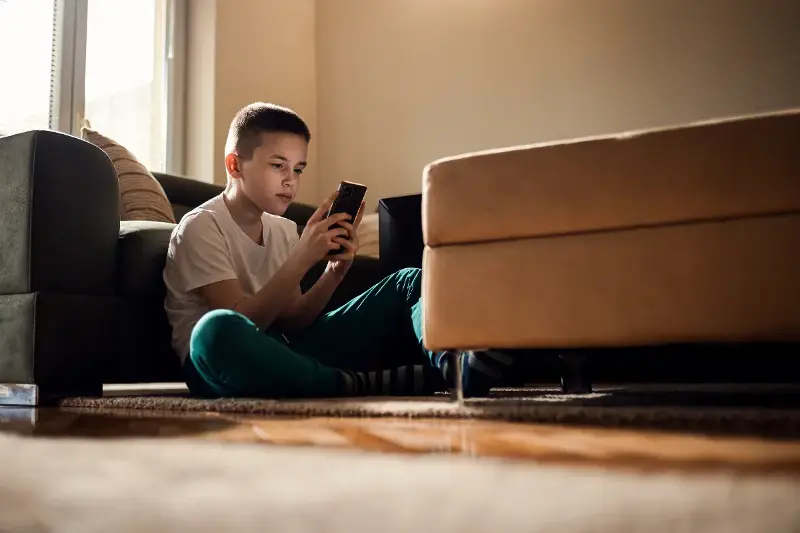
Why Waiting Can Also Make Sense
Young children learn most effectively through tactile, real-world experiences:
- Hands-On Discovery: A child taps a screen image of an animal, but learns far more deeply by hearing real sounds, feeling physical textures, and engaging in person.
- Social and Physical Growth: Pretend play, outdoor climbing, and back-and-forth talk build essential physical confidence and emotional resilience.
- Easier Boundary Setting: Waiting allows parents time to teach digital literacy—such as online kindness, privacy, and media awareness—before children receive personal devices.
Quality Matters More Than the Device
A tablet is neither inherently harmful nor automatically educational—what happens on the screen matters most.
- Choose Intentional Content: Look for programs created by trusted educational organizations that encourage active thinking rather than endless tapping.
- Avoid High-Friction Features: Disable autoplay, block in-app purchases, and steer clear of fast-paced, endless-scrolling media that makes switching off difficult.
- Protect Rest: Keep devices out of bedrooms to prevent blue light and stimulating content from disrupting healthy sleep.

Creating a Family Technology Plan
Rather than focusing solely on strict minute limits, establish consistent household routines that nourish well-being:
- Screen-Free Meals: Keep dining areas device-free to encourage daily conversation.
- Bedtime Wind-Down: Put all screens away at least one hour before sleep.
- Lead by Example: Model healthy habits by putting personal devices away during family interactions.
- Involve Growing Children: Work together with school-age kids to set guidelines around gaming time, privacy, and online safety.
There is no single perfect age for a child to start using technology. Early exposure can be enriching when limited and shared, while waiting successfully protects time for play, rest, and real-world connection. The ultimate goal is raising children who navigate the digital world with curiosity, confidence, and balance.