


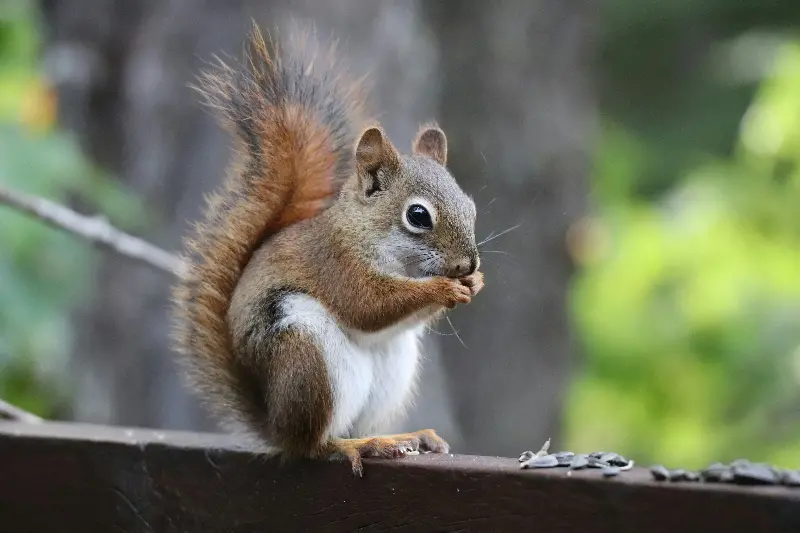
Every autumn, a quirky spectacle unfolds beneath the canopy. Squirrels scamper through parks, woods, and backyards, darting up trunks and digging frantically in the dirt. While it might look like simple frantic foraging, these small mammals are performing a crucial ecological role.
With every nut they hide—and inevitably forget—squirrels inadvertently plant new trees. They are nature’s unlikely but essential reforestation champions, turning a survival instinct into a massive, decentralized tree-planting campaign.
TIRELESS GARDENERS: THE ART OF SCATTER HOARDING
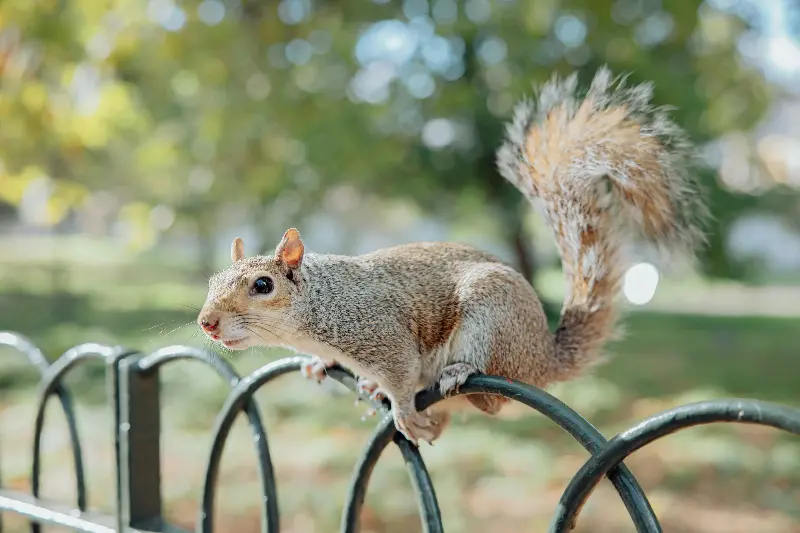
Squirrels, especially the Eastern Gray and the Red squirrel, are famously industrious. As the thermometer drops, they begin "preparing the pantry" with a high-calorie hoard including:
- Acorns and Walnuts
- Hickory nuts and Pecans
- Conifer seeds
Armed with a keen sense of smell and spatial memory, they engage in scatter hoarding—digging tiny holes and hiding food in hundreds of separate locations. However, their ambition often exceeds their memory.
Studies reveal that squirrels forget between 10% to 20% of the nuts they cache each season.
These abandoned nuts don't just rot; they rest in the soil until spring. When conditions are right, they germinate, growing into saplings that eventually mature into towering oaks and walnuts.
SHAPING THE FUTURE OF THE LANDSCAPE
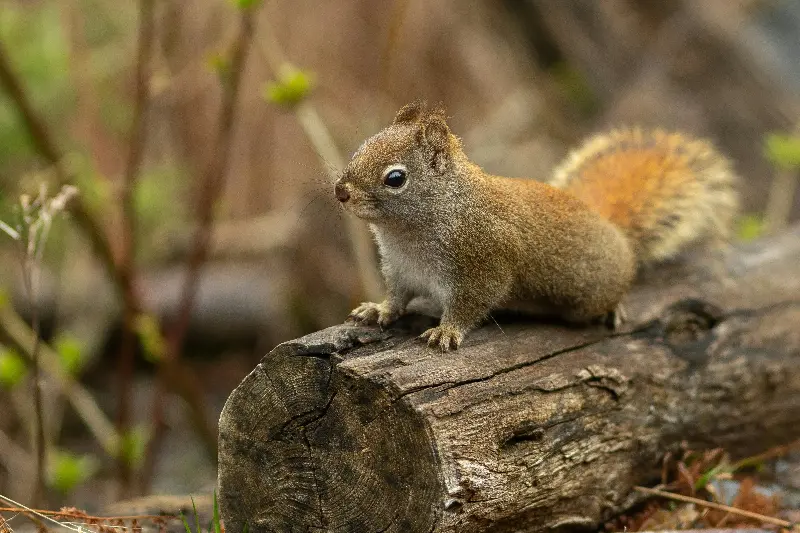
The impact of a single squirrel is staggering. It is estimated that one individual can "plant" thousands of seeds throughout its lifetime. What makes them such effective foresters isn't just the volume of seeds, but the quality of the planting:
- Optimal Depth: Squirrels bury nuts at just the right depth for successful germination, usually beneath protective leaf litter.
- Strategic Spacing: They carry seeds away from the "parent" tree, reducing competition for sunlight and nutrients.
- Genetic Diversity: By moving seeds across different areas, squirrels help foster robust ecosystems that are more resilient to disease.
COLLABORATION AND COMPETITION IN THE WILD
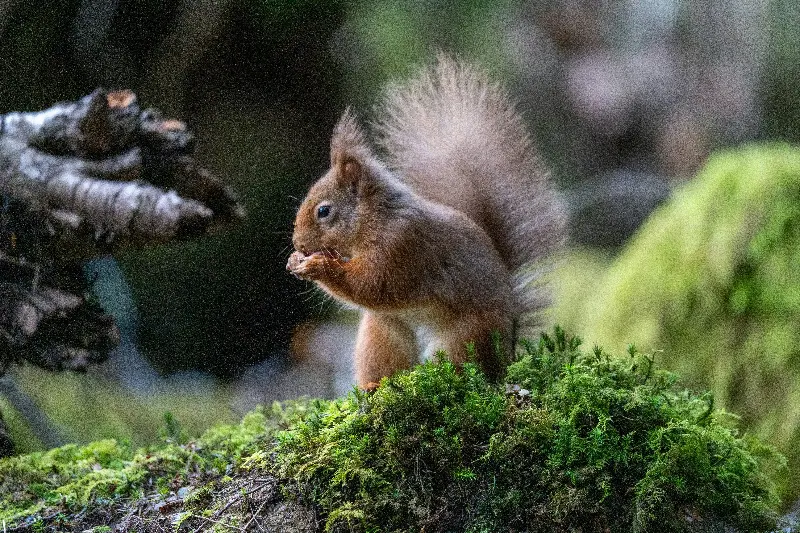
Squirrels’ hidden stashes aren't just for trees; they support a broad ecological web. Forgotten caches are often "raided" by other wildlife, creating a secondary distribution system:
- Birds: Jays and crows often spot squirrel activity and scavenge from their holes.
- Small Mammals: Mice and chipmunks rely on these calorie-dense finds during lean winters.
- Habitat Recovery: Forests with healthy squirrel populations rebound significantly faster after disruptions like wildfires, storms, or disease.
SQUIRRELS VS. OTHER SEED DISPERSERS
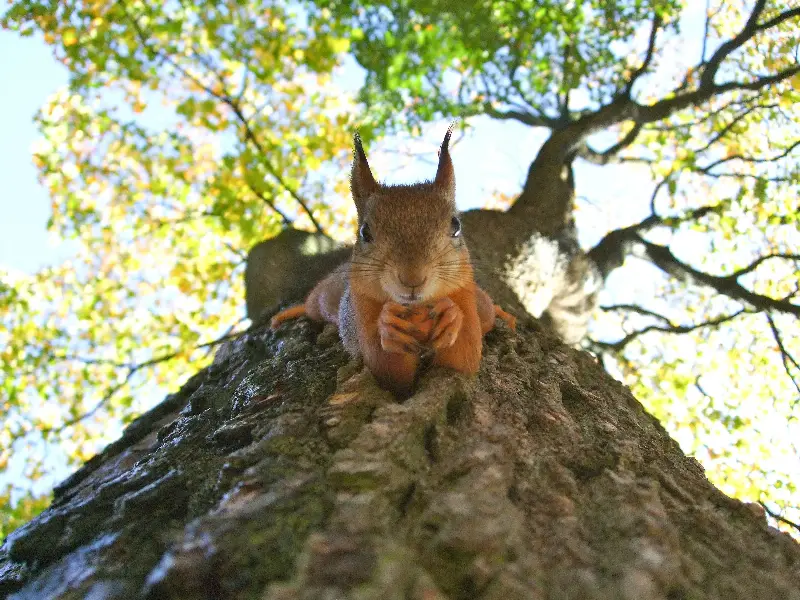
While many animals help move seeds, few are as methodical as the squirrel. While birds might excrete seeds over long distances, the digestive process can often damage the seed's viability.
Interestingly, trees and squirrels may have evolved in tandem. Many trees produce nuts with shells just tough enough to discourage immediate consumption, essentially "tricking" the squirrel into caching the nut for later—and thus increasing the tree's chances of reproduction.
LESSONS FOR URBAN REWILDING
As the world grapples with deforestation, the value of these natural partners is becoming undeniable. This dynamic is especially visible in urban environments:
- City Parks: A single urban squirrel can reforest entire blocks over a decade by simply losing track of its autumn bounty.
- Residential Gardens: By leaving leaf litter undisturbed and avoiding heavy pesticides, homeowners can create "squirrel-friendly" zones that encourage natural reforestation.
CONCLUSION: TINY ACTS OF RENEWAL
Squirrels remind us that even the smallest creatures play vital roles in keeping our planet green. Their "forgetfulness" is, in truth, a tiny act of renewal. With each hidden acorn or hazelnut, the humble squirrel gives rise to new life.
Next time you spot a squirrel busily digging in the earth, remember: you aren't just watching a scavenger—you are witnessing the birth of a mighty forest.