


Flowers have captivated people for centuries, not just because of their beauty but because of the messages they silently convey. Whether you’re celebrating a birthday, apologizing, or marking a romantic anniversary, the bouquet you choose may be saying more than you realize. The language of flowers, also known as floriography, is a tradition rooted in ancient cultures and refined through the ages, blossoming into the intriguing form we know today. So, before you select that bunch of blooms for a loved one or friend, join us in exploring the subtle signals hidden within each petal and stem.
The Origins of Floriography
The language of flowers dates as far back as ancient Greek, Roman, and Chinese civilizations. However, it truly flourished in Victorian England, when social etiquette discouraged open displays of emotion. Clever Victorians developed a secret system to express romantic intentions, friendship, gratitude, and even admonishment without uttering a single word.
Bouquets, posies, and even single stems gained new significance, allowing people to communicate through codes that only recipients could decipher. In France, “Le langage des fleurs” shaped romantic liaisons, while in Turkey, harem women gave flowers to their loved ones, embedding personal messages with each selection. The meaning of each flower and arrangement became essential knowledge for anyone seeking subtlety in matters of the heart.
Classic Blooms and Their Timeless Messages
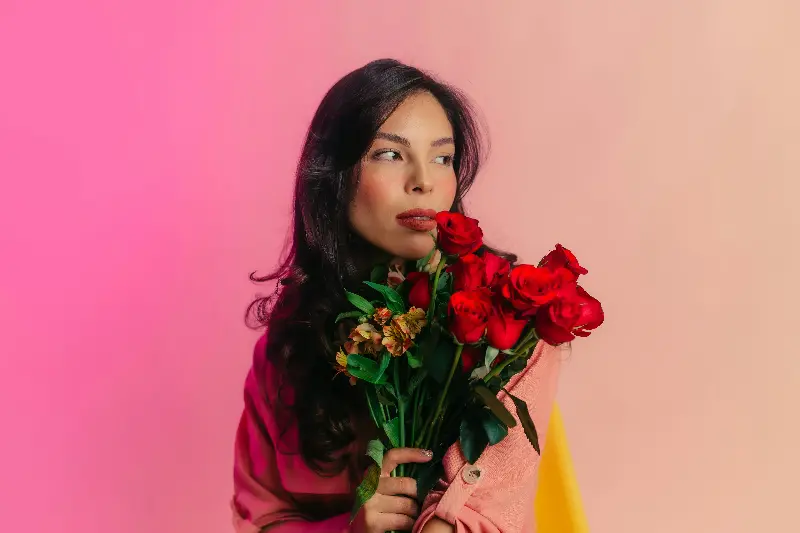
Certain flowers have kept their symbolic meanings intact through history, turning bouquets into texts that are as rich and nuanced as any letter. Perhaps the best-known example is the red rose, an enduring emblem of passionate love. Give a dozen red roses, and there’s little chance of your intentions being misunderstood.
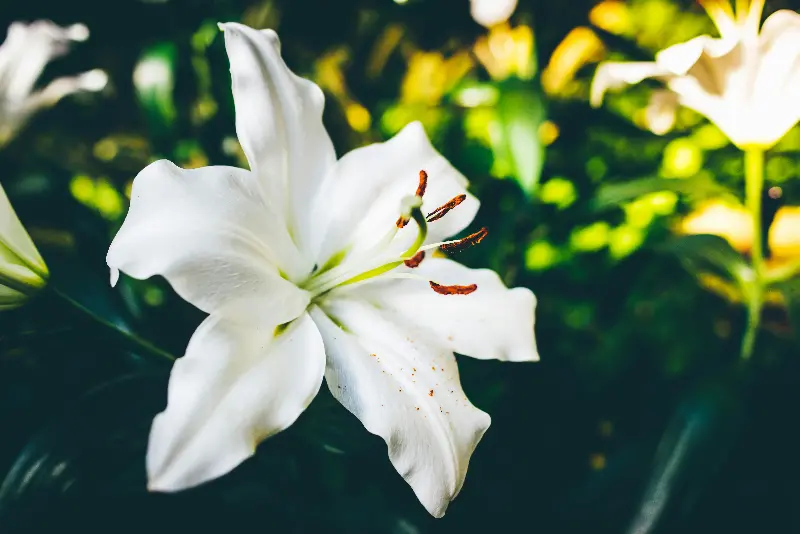
But there is much more to the floral alphabet. White lilies, often present at weddings or memorial services, symbolize purity, renewal, and dignity. Sunflowers, with their radiant yellow heads, represent adoration and loyalty. Daffodils, one of spring’s first arrivals, stand for new beginnings and hope.
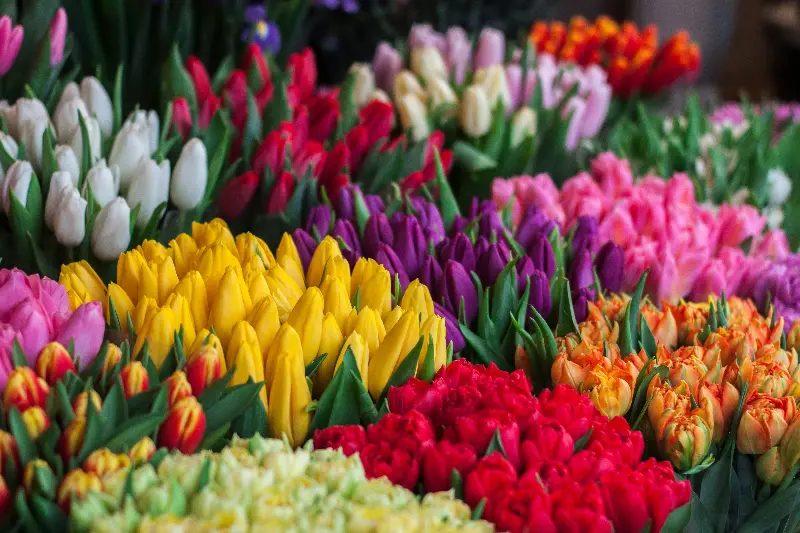
Tulips, widely beloved across the world, carry different messages by color—red tulips speak of perfect love, yellow ones express cheerful thoughts, and purple tulips whisper of royalty and dignity. Even chrysanthemums, often taken for granted, convey honest friendship with their multi-layered petals.
Surprising Meanings: What’s Hidden in Your Bouquet?
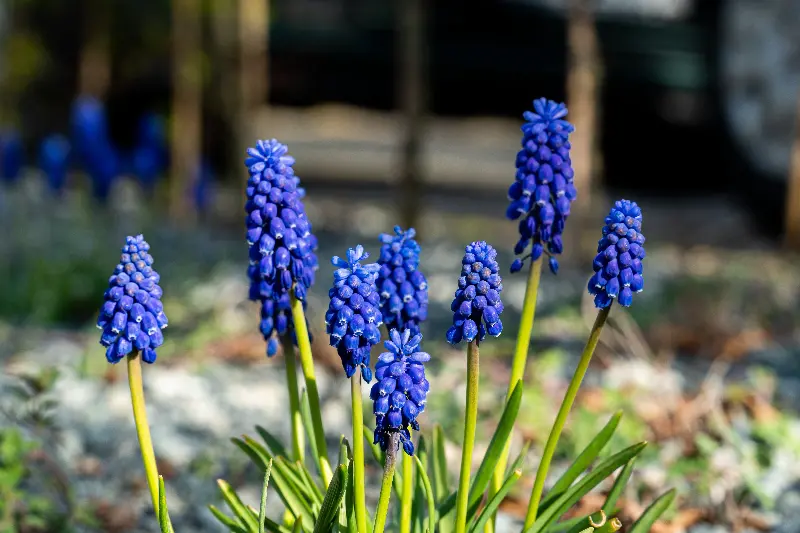
Beyond these classics, the world of floriography is full of delightful surprises. The blue hyacinth, for instance, asks for forgiveness, while ivy woven into a bouquet speaks of fidelity and strong attachment. When a friend hands you a bunch of yellow carnations, think twice—the Victorians considered them a sign of rejection.
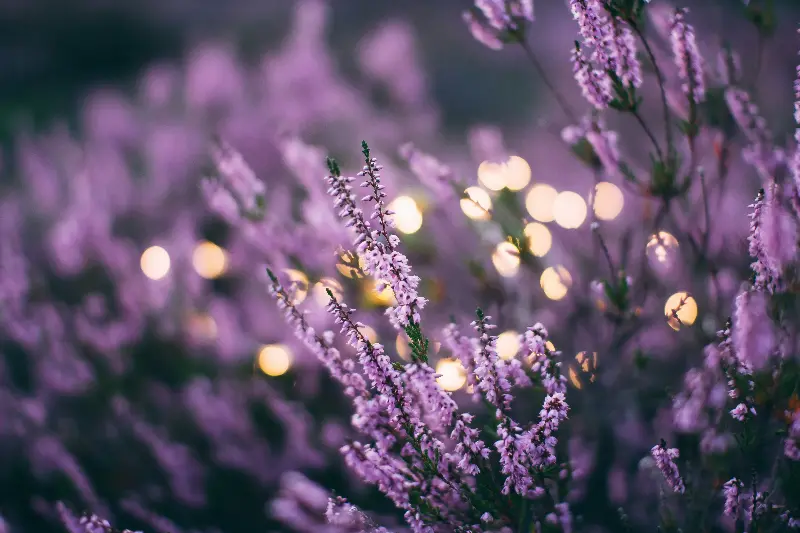
If you want to send the message “thank you for your friendship,” opt for a bluebell or pink rose. If encouragement is your goal, a sprig of lavender will do the trick, as it represents calmness and devotion. A spry sprig of rosemary tucked in among the blooms is thought to invoke remembrance; in Shakespeare’s Hamlet, Ophelia notes, “There’s rosemary, that’s for remembrance.”
Even the way flowers are arranged can add nuance. In Victorian code, presenting flowers upside down signified the opposite meaning—hand your bouquet right side up if you want your true intentions to be known!
Modern-Day Petals: The Language Continues
Today, the art of floriography might not be as widely practiced as in Victorian times, but the symbolism of flowers persists in everyday life. Florists still subtly nudge customers toward the traditional meanings, and lovers everywhere opt for roses on Valentine’s Day for a reason. It’s not just tradition—it’s a language that endures.
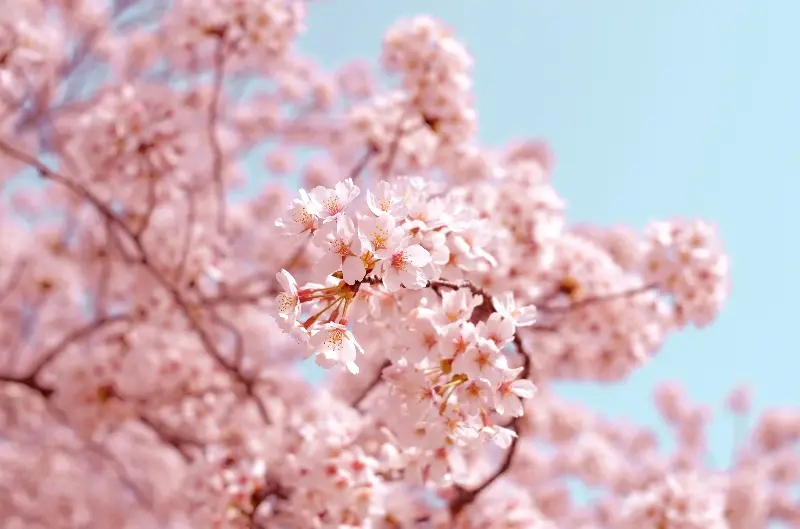
In many cultures, flowers play critical roles in rites of passage and celebrations. Marigolds in garlands for Indian weddings, cherry blossoms celebrated throughout Japan, or peonies signifying wealth and honor in Chinese culture—each bloom enriches ceremonies with history and heartfelt emotion.
The meaning of flowers also adapts to contemporary issues. White poppies, for example, have emerged as symbols of peace, while red poppies memorialize fallen soldiers in Western countries. Even crafting bouquets from wildflowers can express a free-spirited attitude and an appreciation of nature’s untamed beauty.
Tips for Giving the Perfect Meaningful Bouquet
If you want to add depth to your flower-giving, consider combining blossoms for a “sentence” all your own. Pairing yellow roses (friendship) with violets (faithfulness) tells a loved one, “I’ll always be a loyal friend.” Intertwining forget-me-nots (true love, remembrance) with daisies (innocence) might say, “You are unforgettable and pure.”
Think about your recipient. Are you expressing passion, admiration, gratitude, or sorrow? Look beyond surface beauty and use tradition as a creative guide. You might even include a note briefly explaining your choices for an extra-special touch.
If you’re in doubt, ask your florist—they’re often happy to help you craft a bouquet with the perfect symbolism. And remember, intention matters most. A thoughtfully chosen bouquet, whatever its message, always brightens a day.
Gift-giving with flowers is an art filled with secret stories, historic customs, and heartfelt emotion. Next time you select a bouquet, you’ll be armed with knowledge to make that beautiful bunch even more meaningful. In every petal, leaf, and scent, a world of messages awaits—ready to strengthen relationships and turn ordinary gifts into extraordinary memories.