


The animal kingdom is full of abilities that sound like science fiction but are part of everyday survival. From deep ocean reefs to dense forests and city parks, animals use extraordinary senses, communication networks, and survival strategies. These discoveries offer a fresh, inspiring reminder of how life has evolved in wonderfully creative ways.
Octopuses Have Three Hearts and Blue Blood
An octopus possesses three hearts, but they do not all serve the same purpose. Two hearts pump blood to the gills to collect oxygen, while the main heart circulates oxygenated blood throughout the rest of the body. Interestingly, the main heart stops beating during swimming, which is why these creatures often prefer crawling along the seabed.
- Copper-Based Chemistry: Feline and human blood uses iron-based hemoglobin, but octopus blood relies on copper-based hemocyanin.
- Cold-Water Survival: This blue blood carries oxygen far more efficiently in cold, low-oxygen ocean depths.
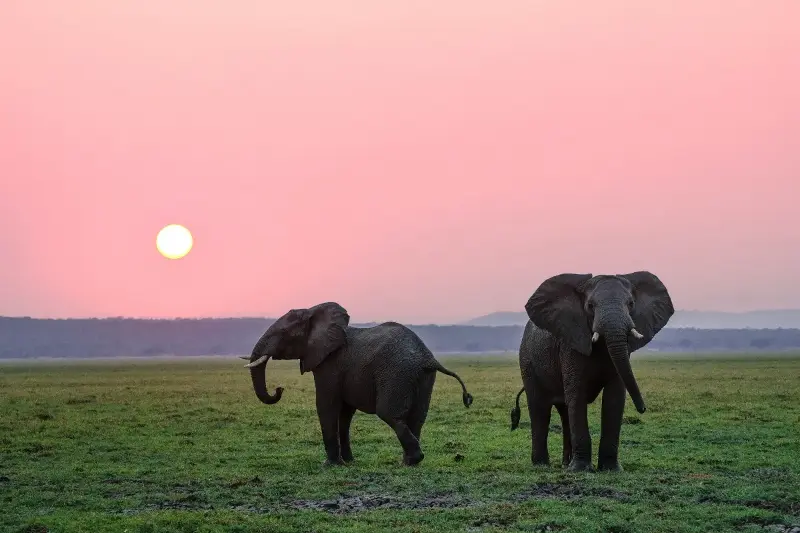
Elephants Call Each Other by Unique Names
Research reveals that African elephants use distinct vocal labels for one another—much like human names. Scientists studying elephant rumbles discovered that calls directed at specific herd members contain unique sound frequencies:
- Low-Frequency Rumbles: These sounds travel several kilometers through the air and even farther as ground vibrations.
- Sensitive Detection: Elephants detect these vibrations using specialized sensory cells in their feet and trunks.
- Targeted Responses: When recordings are played back, elephants consistently respond more strongly to calls meant specifically for them.
Trees Communicate via Underground Fungal Networks
Forests are not just collections of individual trees competing for sunlight. Underground, root systems are connected by vast fungal networks called mycorrhizae. The fungi exchange essential mineral nutrients for sugars produced by the trees through photosynthesis.
Through these networks, trees can pass warning signals about drought, insect threats, or disease. A tree under attack releases chemical compounds that help neighboring trees prepare their defenses. Older, larger "mother trees" can even share resources with young seedlings to support forest growth.
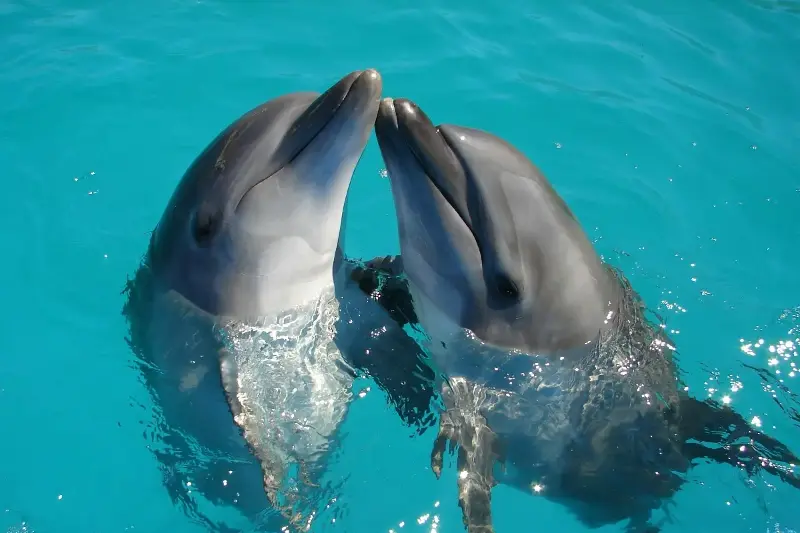
Dolphins Sleep with Half Their Brain Awake
Because dolphins must surface regularly to breathe, they cannot enter deep sleep like land mammals. Instead, they use a process called unihemispheric sleep:
- One half of the brain rests while the other half stays alert to control breathing and watch for predators.
- One eye remains open while the opposite eye closes.
- Dolphins alternate sides, allowing their body to rest without ever sinking or drowning.
Crows Recognize and Remember Human Faces
Crows are among the most intelligent birds on Earth, capable of recognizing individual human faces and remembering them for years. In scientific studies, crows scolded and mobbed specific people who had previously threatened their nests, even when those people wore different clothing.
Remarkably, crows pass this knowledge to their offspring and flock members through social learning. Their high intelligence includes problem-solving, tool making, and an impressive ability to adapt to human cities.
Wood Frogs Freeze Solid in Winter
Wood frogs living in northern climates survive winter by literally freezing solid. As temperatures drop, ice forms in the spaces outside their cells, while their liver produces massive amounts of glucose:
- Natural Antifreeze: High glucose levels protect internal cell walls from collapsing under ice pressure.
- Suspended Animation: For weeks or months, the frog experiences no heartbeat, no breathing, and no brain activity.
- Spring Awakening: When warm weather arrives, the frog thaws from the inside out and simply hops away.
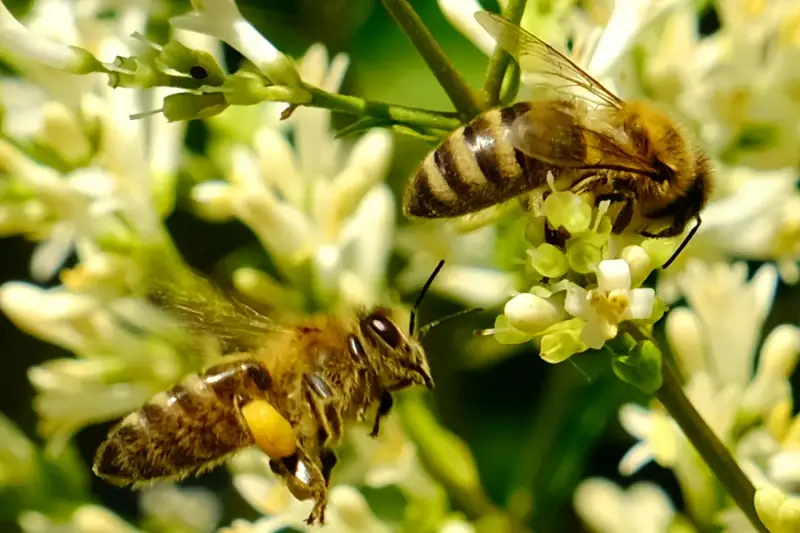
Honeybees Understand the Concept of Zero
Honeybees have tiny brains containing fewer than one million neurons, yet experiments show they can comprehend that zero is less than one. Trained to choose images with the fewest shapes, bees consistently selected an entirely blank image over one containing a single shape, demonstrating advanced numerical reasoning previously thought exclusive to larger brains.
Sea Otters Use Favorite Pocket Tools
Sea otters are dedicated tool users that keep a favorite rock tucked safely inside a loose fold of skin beneath their forearm. Floating on their backs, they place the rock on their chest to smash open hard-shelled prey like clams and sea urchins. Using tools protects their teeth from wearing down, ensuring they can feast safely throughout their lives.
These remarkable secrets reveal that resilience, intelligence, and communication belong to every corner of nature!