



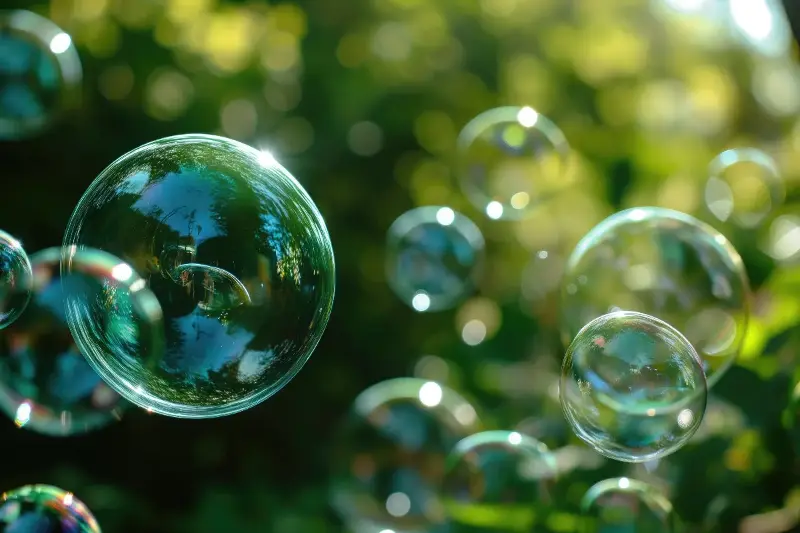
A soap bubble may look like a fragile toy, but its shifting colors reveal a powerful lesson in physics. The rainbow patterns are not made by pigments or dyes. They come from the way light interacts with an extremely thin liquid film, often only a few hundred nanometers thick. As the film changes thickness, different wavelengths of light reinforce or cancel one another, creating bands of blue, green, pink, gold, and violet.
This effect, called thin-film interference, has become a major source of inspiration for engineers designing better sensors, energy-saving materials, and high-performance displays. By studying bubbles and naturally iridescent surfaces, researchers are learning how to control light using structures far smaller than the width of a human hair.
The Physics Inside a Bubble
A soap bubble consists of a very thin layer of water held between two layers of soap molecules. When light reaches the bubble, part of it reflects from the outer surface of the film, while another part enters the film and reflects from the inner surface. The two reflected light waves then combine:
- Constructive Interference: If the waves line up, they reinforce each other and become noticeably brighter.
- Destructive Interference: If the waves are out of step, they weaken or cancel each other entirely.
The final result depends on the thickness of the film, the angle of view, and the wavelength of the light. This is why a bubble constantly shifts colors as it moves, drains, or is viewed from another position.
The dark patches that appear right before a bubble pops are especially fascinating. They are not black because of a dark substance; rather, the film has become so thin that most visible light is cancelled out. At this stage, the remaining liquid layer can be less than 100 nanometers thick—compared to a human hair, which is roughly 70,000 to 100,000 nanometers wide.

Nature’s Light Engineers
Soap bubbles are not the only examples of structural color. Nature has used similar optical principles for millions of years:
- Morpho Butterflies: Their bright blue wings contain no blue pigment. Instead, microscopic scale structures reflect blue light strongly while allowing other wavelengths to pass through.
- Peacock Feathers: Microscopic structures on the feather barbules reflect vivid greens and blues depending on light reflection.
- Beetle Shells: Glowing, metallic sheens are created through layered chitin structures.
Engineers describe these surfaces as photonic structures because they manage the movement of light. Unlike ordinary paint, which can fade when chemical pigments break down, structural color remains vivid as long as the physical structure stays intact.
From Bubble Films to Smart Coatings
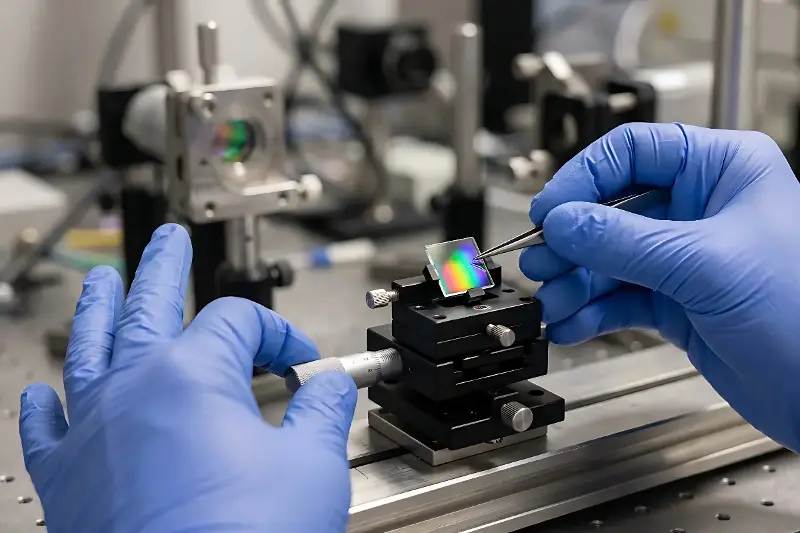
One direct engineering application of thin-film physics is the anti-reflective coating. Uncoated glass reflects incoming light, which reduces the efficiency of solar panels and makes device screens harder to see outdoors:
- Optical Lenses: Camera lenses, eyeglasses, and microscopes use multilayer coatings to reduce glare and maximize image clarity.
- Solar Energy: Solar cells use anti-reflective films inspired by thin-film interference to absorb more sunlight and lower energy reflection losses.
Color That Can Sense Change
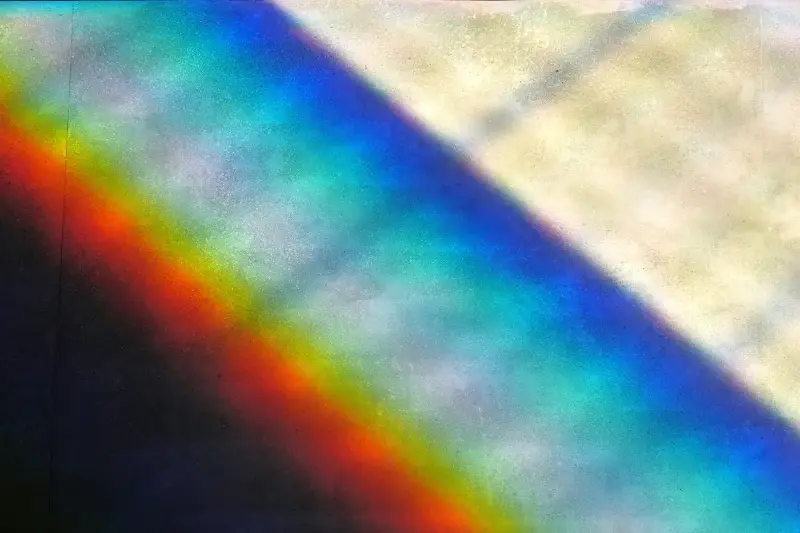
Bubble-like structures are also being developed into battery-free sensors. Because iridescent color depends on thickness, spacing, and refractive index, even a tiny physical change produces a clear color shift:
- Humidity Sensors: Thin polymer films swell when exposed to moisture, shifting the reflected color from blue to green or red.
- Structural Strain Gauges: Flexible iridescent films applied to machinery or bridges change color when stretched, signaling structural stress visually before failure occurs.
Designing Without Pigments
Structural color offers a clean alternative to conventional chemical pigments, reducing environmental concerns associated with dye manufacturing.
While producing nanoscale patterns on a large scale remains an engineering challenge, researchers are making progress with printable films, self-assembling nanoparticles, and laser-patterned surfaces. The optical shift created by these structures is already widely used to secure banknotes, passports, and authentic packaging.
The next time a soap bubble catches the light, it is worth appreciating as more than a brief rainbow. Its delicate film proves how thickness, structure, and light work together—turning a simple natural phenomenon into smarter coatings and cleaner technologies.