


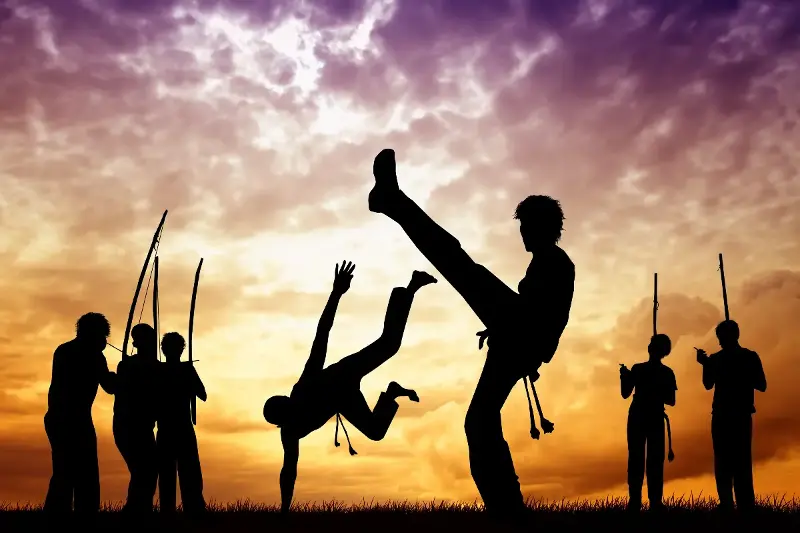
Capoeira, with its dazzling spins, melodic rhythms, and electrifying kicks, looks like a mesmerizing dance. But beneath its flowing movements lies a sparkling blend of martial skill, cultural legacy, and musical soul. Whether you are fascinated by martial arts, drawn to vibrant cultural histories, or just love stories of human resilience, capoeira is a dance-fight you simply cannot ignore.
The Roots of Capoeira: A Dance Born From Oppression
Centuries ago, along the agricultural estates of colonial Brazil, enslaved Africans created capoeira as both a means of protection and a brilliant act of defiance. Forbidden to practice any form of combat by their overseers, these resilient men and women cleverly disguised their self-defense moves within the flowing, circular dances and traditional music of their homelands.
Capoeira quickly evolved into a beautiful, coded language of freedom:
- Cultural fusion: It masterfully blended diverse West African traditions with the new realities of life in South America.
- Geographic growth: The art form spread rapidly along Brazil’s coast, finding a welcoming home in the vibrant state of Bahia.
- Endurance against the odds: Despite being heavily outlawed by authorities for decades, practitioners kept the art alive in secret, turning survival into a true art form.
The Heartbeat of Capoeira: Music and Movement
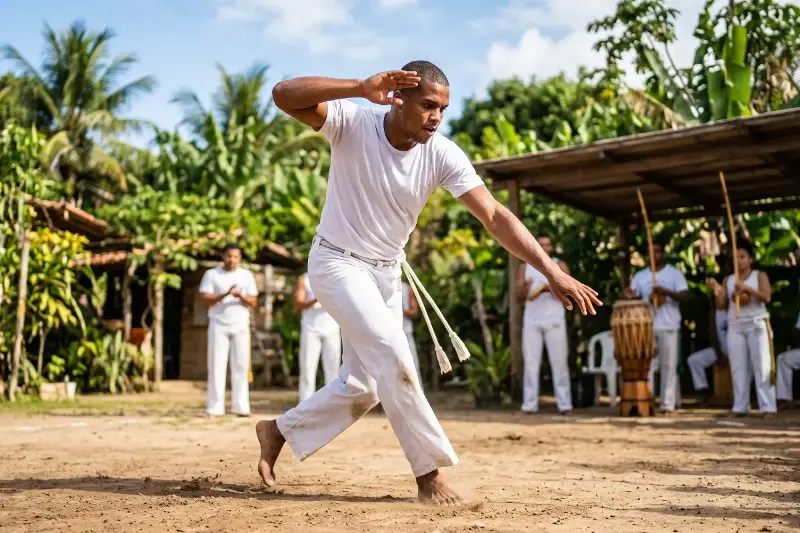
Unlike most traditional martial arts, capoeira cannot truly exist without music. Every single session, known as a roda (the boundary circle), is guided by the hypnotic sway of traditional instruments:
- The Berimbau: A striking, single-string bow that acts as the soul of the roda, setting the exact tempo and mood of the game.
- The Atabaque: A large, deep-toned drum that drives the heartbeat of the rhythm.
- The Pandeiro: A lively tambourine that fills the air with a festive, energetic pulse.
As the music begins, capoeiristas enter the circle—not to defeat each other, but to “play the game” (jogar). This elegant exchange consists of two main contrasting styles:
- Capoeira Angola: The slower, strategic, ground-based version that emphasizes trickery, malice, and theatrical subversion.
- Capoeira Regional: A fast-paced, highly acrobatic style introduced in the early 20th century by the legendary Mestre Bimba.
Physical Prowess Meets Artistry
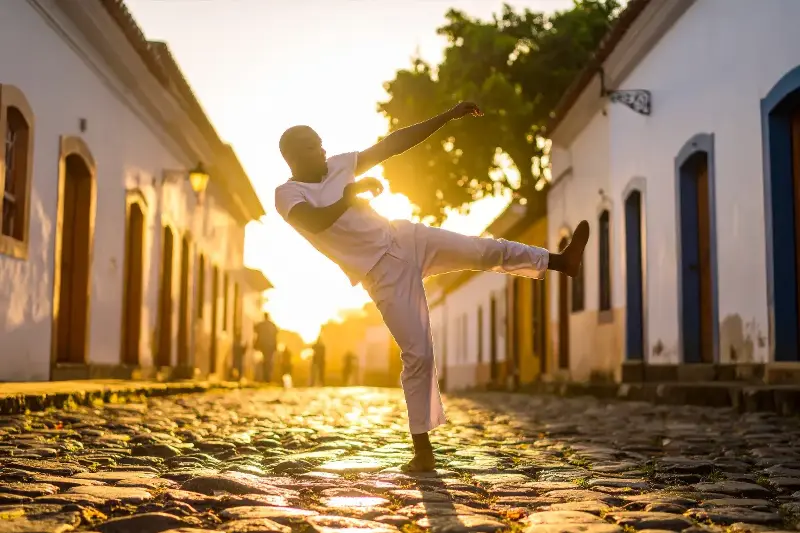
Capoeira is universally celebrated for its breathtaking displays of athletic power. In any given session, you will witness spectacular moves like the meia-lua de compasso (a sweeping heel kick executed with hands on the ground), the au (an agile, specialized cartwheel), and the macaco (a low, fluid back handspring).
Yet, brute force is entirely secondary to strategy. Capoeira deeply emphasizes agility, deception, and anticipation, encouraging practitioners to physically "read" their partners and adapt in real time.
Furthermore, the music itself serves as a living history book. Players engage in traditional call-and-response singing, chanting poetic lyrics that narrate historic escapes, celebrate past masters, and pass down messages of hope and immense pride across generations.
A Symbol of Identity and Unity
Today, capoeira stands as a triumphant global symbol of Afro-Brazilian heritage. In recognition of its profound cultural impact, UNESCO officially designated capoeira as an Intangible Cultural Heritage of Humanity, praising its unique power to strengthen social ties and foster community identity.
The art form has successfully transcended borders:
- Global reach: Active capoeira academies can now be found in more than 150 countries worldwide.
- Inclusive communities: People of all backgrounds, ages, and genders train together, progressing through a unique system of colored cords (cordas).
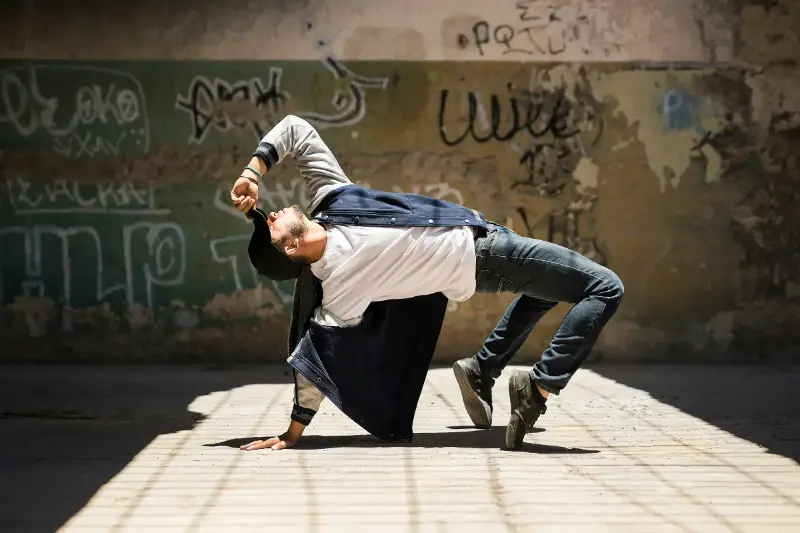
- Modern influence: Its fluid mechanics have directly inspired global pop choreography, movie stunt work, and modern breakdancing.
At its core, capoeira remains a living story. Every single roda is a joyful celebration of liberty, community, and the ultimate power of human movement.