


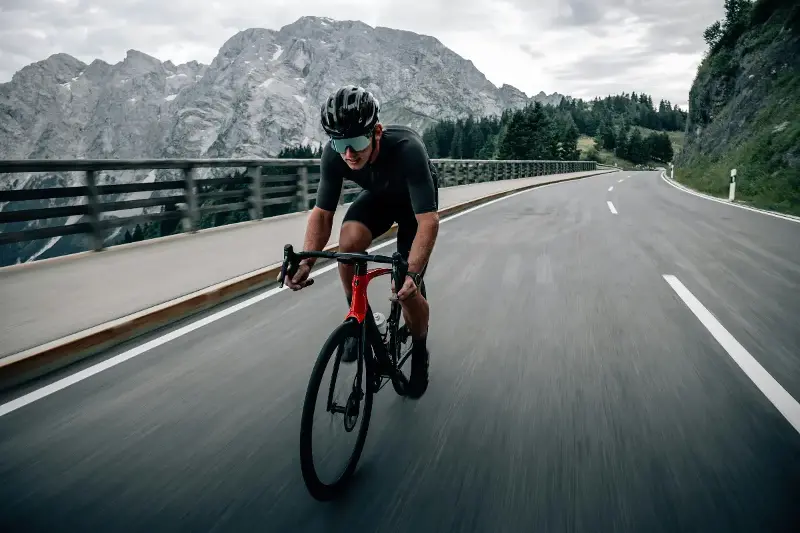
Cyclists and the wind have always had a complicated relationship. For those outside the cycling world, wind might just seem like another minor hurdle on a long ride. But for serious cyclists, whether racing for the podium or chasing a personal record, cutting through the air efficiently can mean the difference between victory and defeat.
WHAT IS AERODYNAMICS AND WHY DOES IT MATTER?
Welcome to the fascinating world of aerodynamics—a science that is not just for engineers and aviation enthusiasts, but also for every rider who wants to go faster, further, and with less effort.
Aerodynamics, simply put, is the study of how air flows around objects—in this case, you and your bicycle. As your speed increases, the resistance you feel from the air, known as aerodynamic drag, becomes the primary force holding you back.
- The 90% Rule: On flat terrain, wind resistance can account for up to 90% of the total effort required to maintain speeds above 30 km/h (about 19 mph).
- Energy Loss: This means the vast majority of your physical energy is spent fighting the invisible wall of wind rather than moving your bike forward.
For all cyclists, no matter your current level or riding discipline, minimizing drag can bring surprisingly massive gains in daily speed and muscular efficiency. That is why both weekend enthusiasts and professional racers obsess over tiny details like riding body position, helmet shapes, and skin-tight technical clothing.
THE SCIENCE BEHIND THE SPEED
Several types of drag affect a cyclist, but two are absolutely critical to understand:
- Form Drag: This results directly from the unique physical shape of you and your bike pushing the air aside as you move forward.
- Surface Drag: This is the friction created as air molecules brush over rough or loose surfaces, such as baggy clothing.
The faster you ride, the more wind resistance acts aggressively against you. Drag increases at a rate proportional to the square of your speed. In practical terms, if you double your speed, wind resistance quadruples.
This compounding effect is exactly why riding into a headwind can feel so exhausting. It also explains why even small tweaks in your position can shave precious seconds, or even minutes, from your training times. Adopting a lower, more streamlined posture can improve a cyclist’s speed by up to 14% without requiring a single watt of extra leg power.

HOW PROS AND ENTHUSIASTS CUT THROUGH THE AIR
Every single detail counts when battling wind resistance. The world’s top cyclists and their support teams invest serious time into maximizing aerodynamic efficiency. Here is how you can easily follow their lead to gain a competitive edge:
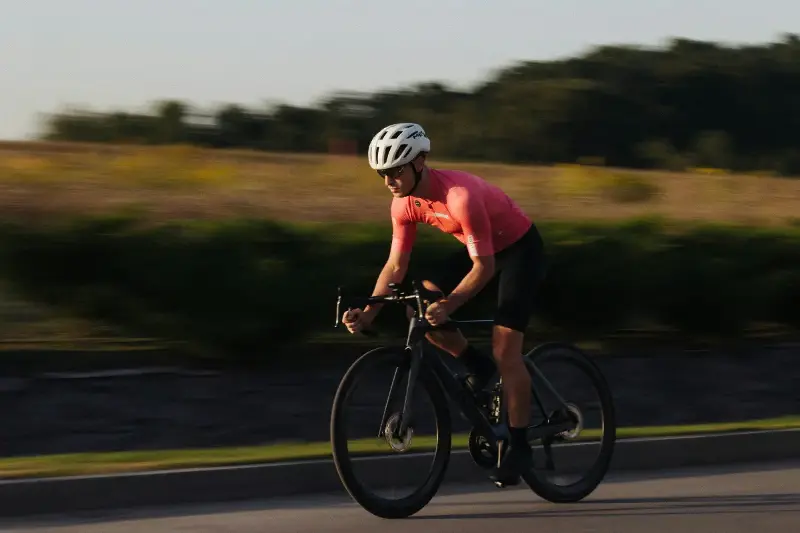
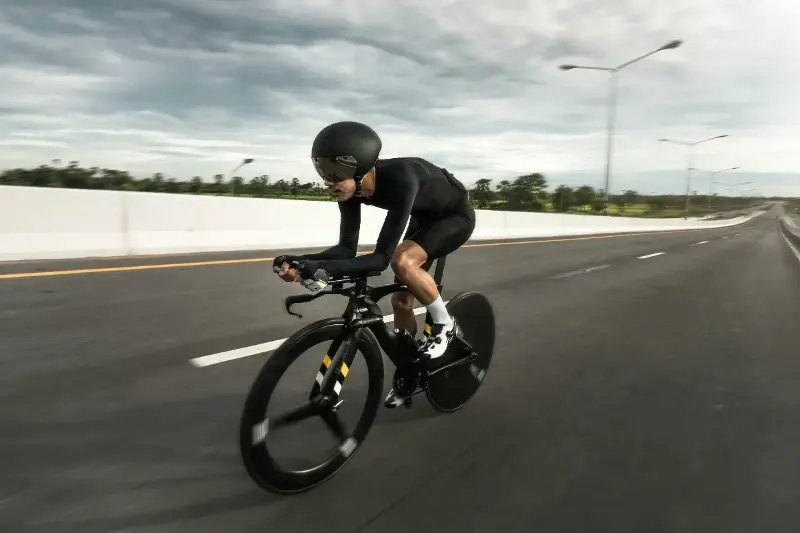
- Riding Position: Lowering your torso down toward the handlebars and tucking in your elbows significantly reduces the frontal surface area exposed to the wind.
- Aerodynamic Helmets: Modern performance helmets are specially sculpted to funnel air smoothly over your head and down your back, improving efficiency without sacrificing safety or ventilation.
- Streamlined Clothing: Loose jerseys flapping in the breeze act like miniature parachutes. Today’s cycling wear features tight, seamless fabrics that encourage air to slide over your body effortlessly.
- Bike and Wheels: Specialized aerodynamic frames, deep-section carbon wheels, and integrated component cables all contribute to a dramatic reduction in wind turbulence.
REAL-WORLD GAINS FOR EVERYDAY RIDERS
You might ask: do these minor gains truly matter if you are not gunning for a grand tour victory? The answer is a resounding yes. Anyone who loves riding faster, climbing hills more efficiently, or completing long distances with less muscle fatigue stands to benefit immensely.
Let’s put it into perspective. If you regularly average 25 km/h (15.5 mph) on your local routes, small aerodynamic improvements could help you jump to 27 km/h (16.8 mph) using the exact same physical effort. Over a standard 40-kilometer journey, that simple shift translates to finishing six minutes faster.
Moreover, reduced drag conserves your precious energy reserves. For long-distance endurance riders and triathletes, the stamina saved by slicing through the wind cleanly is just as valuable as the raw speed gained.
Ultimately, aerodynamics is completely accessible to everyone. By understanding and embracing these basic principles, you can experience the pure, exhilarating joy of effortless speed.