


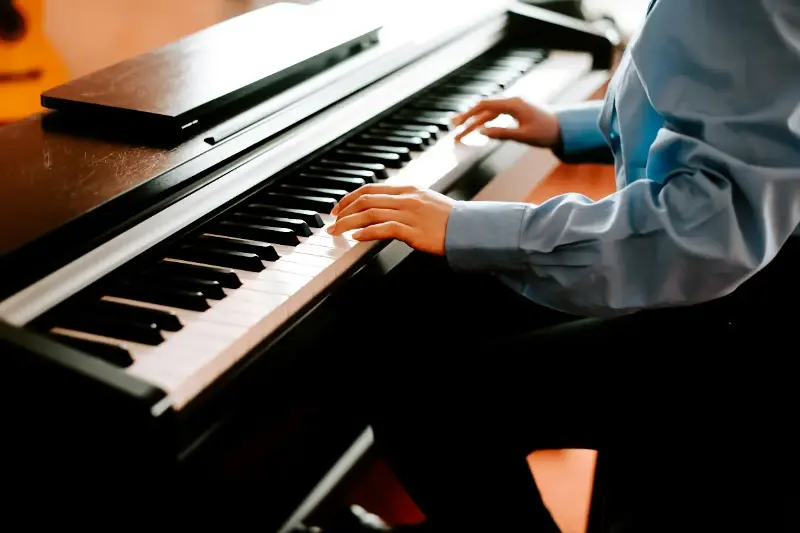
When people think of powerful musical instruments, the expressive piano and the majestic organ often come to mind. Both are symbols of deep artistic depth and profound emotion, uniquely capable of filling grand concert halls or reverberating through centuries-old cathedrals. But what really sets these two titans of music apart? Let us explore the fascinating differences—and even some surprising similarities—between the piano’s nuanced voice and the organ’s mighty presence.
Origins and Evolution Across Centuries
The historic stories of the piano and the organ take us through vastly different eras, cultures, and engineering milestones.
- The ancient lineage of the organ: The organ claims a remarkably long history, with roots dating back as far as Ancient Greece. Its earliest ancestor was the hydraulis, a water-powered contraption that eventually evolved into the gigantic pipe organs we see today. For centuries, organs remained central to sacred music and royal courts, famed for combining multiple acoustic "voices."
- The revolutionary arrival of the piano: The piano is a relative newcomer by comparison. Developed in Italy during the early 1700s by Bartolomeo Cristofori, the piano was a revolutionary advance on earlier stringed keyboard instruments. Unlike the organ’s air-driven pipes, the piano produces its sound when small wooden hammers strike metal strings inside the instrument.
Playing Experience: Touch Versus Technique
One of the most profound differences between these instruments is the physical, tactile relationship a performer has with the keyboard.
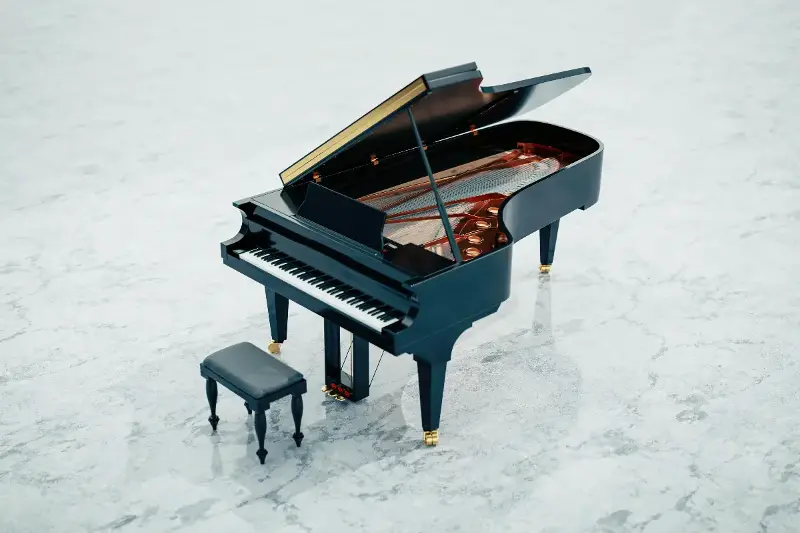
- The dynamic mastery of the piano: The piano’s greatest claim to fame is its direct dynamic responsiveness. Players can whisper gentle melodies or unleash thunderous chords simply by varying their finger pressure. Specialized foot pedals add subtlety and sustain, letting notes linger or blend into complex, beautiful harmonies.
- The structural control of the organ: The organ does not respond to finger touch in terms of volume. Whether a player caresses or strikes the keys, the volume is determined entirely by mechanical stops and registrations. With multiple keyboards—known as manuals—and an entire pedalboard played with the feet, organists coordinate melodies, harmonies, and deep bass lines simultaneously. It is very much like conducting a massive orchestra using your hands and feet.
Sound Worlds: From Intimate to Monumental
The acoustic profile of each instrument creates an entirely unique atmosphere for the listener.
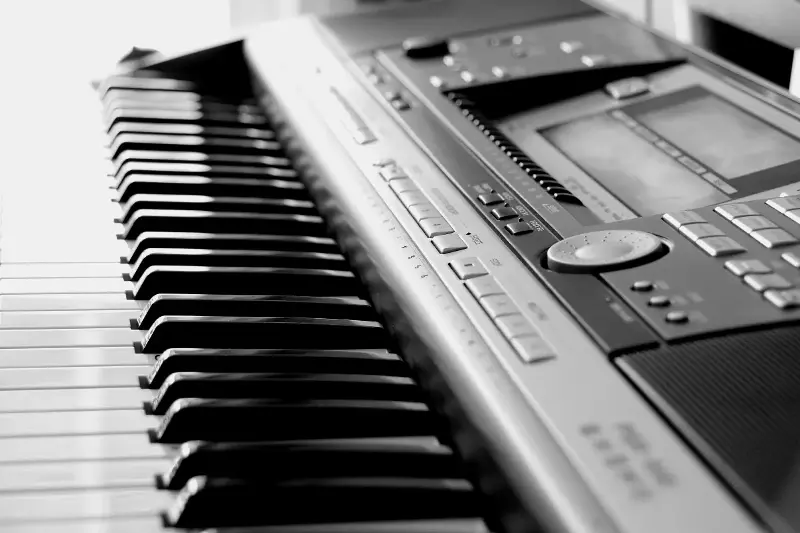
- The personal warmth of the piano: Sit at a grand piano and play a soft nocturne; the room immediately fills with a direct, personal sound. The piano’s strength lies in its absolute intimacy, allowing listeners to sense the subtlest shifts in a performer's mood. The natural decay of the note lends itself beautifully to poetic lyricism and song-like phrasing.
- The awesome power of the organ: The organ was designed to inspire awe. Its sound fills vast spatial environments, rising to cathedral ceilings or echoing across arenas. Organs can sustain notes indefinitely as long as air flows to the pipes. The sheer variety of sound colors enables the organist to create complex sonic worlds, switching from delicate woodwinds to roaring festival trumpets with the push of a button.
Repertoire and Iconic Musical Moments
Each instrument boasts a incredibly rich, distinct repertoire that has shaped Western musical history.
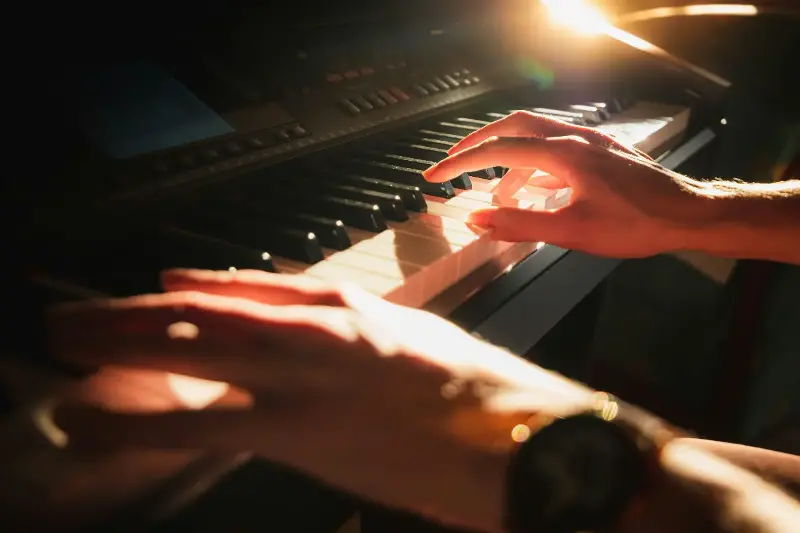
The piano, undisputed king of the performance stage, inspired classical geniuses from Beethoven and Liszt to jazz legends like Thelonious Monk and modern pop stars. The solo piano literature is immense, filled with concertos, chamber works, and dazzling virtuoso pieces.
The organ, meanwhile, has long been the heart of ceremonial and orchestral music. Its historic repertoire is filled with masterpieces by Johann Sebastian Bach, who is often celebrated as the greatest organ composer of all time. Furthermore, organists are world-renowned for their complex skills in live improvisation—a brilliant tradition that remains highly active in both classical recitals and concert halls today.