


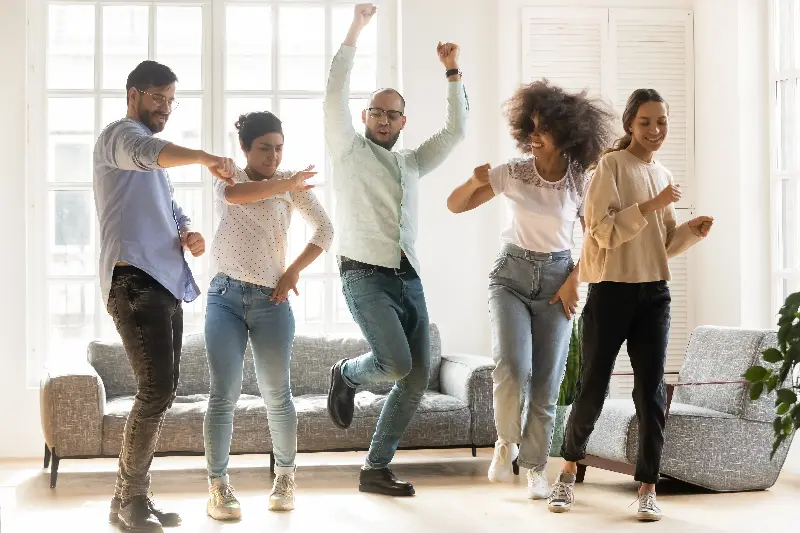
For thousands of years, dance has enchanted, united, and captivated people across every continent. More than mere movement to music, dancing is a vibrant thread woven through the tapestry of human history—used to express joy, tell stories, celebrate milestones, and even communicate with spirits. Let’s step into the fascinating world of dance and explore some mesmerizing, little-known facts about this universal art form.
Ancient Origins And Universal Language
Archaeological discoveries show that humans have been dancing for at least 9,000 years. Rock paintings found in India vividly depict scenes of ritual dance, hinting that even our earliest ancestors turned to dance not just for pleasure, but also as a means of worship, healing, and storytelling. Ancient Egypt was home to elaborate temple dances—ritual performances believed to please their gods and guarantee good harvests.
One reason dance traveled so widely and endured so long is its status as a universal language. Unlike spoken or written language, movement has the unique ability to transcend barriers of dialect or literacy. A simple lift of the arm, a rhythmic stomp, or a joyful leap can be understood by nearly anyone, regardless of cultural background. That’s why, from the Argentine tango to the energetic West African sabar, every society has crafted its own steps, moves, and meanings.
Surprising Social And Scientific Benefits
While many see dance solely as entertainment, research reveals that it offers a battery of benefits to the body and mind. For starters, dancing is an excellent form of exercise, working dozens of muscle groups and improving cardiovascular health without feeling like a workout. In fact, a study published by The New England Journal of Medicine found that regular social dancing can reduce the risk of dementia by as much as 76%, making it one of the best activities for keeping your brain sharp as you age.
Beyond the physical effects, scientists have found that dancing boosts endorphin levels, easing symptoms of anxiety and depression. The sense of connection established through synchronized movement is so powerful that studies suggest group dancing may have played a major role in human evolution, strengthening social bonds within early communities. Psychologists call this phenomenon "collective effervescence"—the electrifying feeling you get dancing in a crowd.
Traditions And Transformations Across The Globe
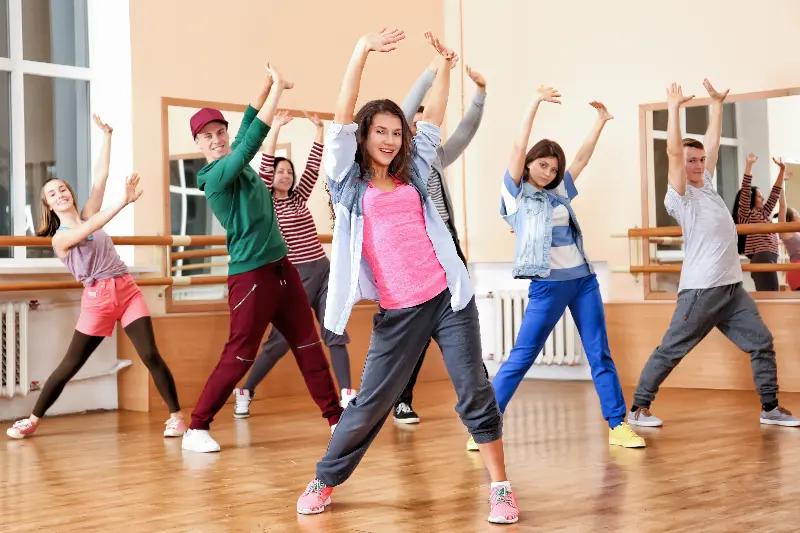
What’s considered dance varies tremendously from culture to culture, sometimes even sparking debates about what defines this art form. In Bali, Indonesia, some dances are so sacred that only select members of the community are permitted to perform them. Meanwhile, Native American powwows use dance as a way to honor ancestors and connect with one’s spiritual roots, turning every step into a living link to the past.
Yet, dance is also a space of transformation and innovation. Many modern social dances have remarkable, multicultural roots; the popular samba, for instance, originated in Brazil but blends African, Portuguese, and Indigenous influences. Breakdancing, which began in the Bronx among African-American and Latino youths, will soon make history as an Olympic sport at the Paris 2024 games, proving how dynamic and adaptable this art form truly is.
Unusual Dance Rituals And Records
The world is full of unique and sometimes quirky dance rituals. In the Pacific island nation of Tonga, people perform "lakalaka," a dance officially declared a Masterpiece of the Oral and Intangible Heritage of Humanity by UNESCO. In Spain, dancers risk life and limb in the centuries-old "El Colacho" festival, literally leaping over newborn babies in a symbolic act meant to drive away evil spirits and ensure good fortune.
Dance also has a colorful place in the record books. The longest conga line ever, recorded in Miami in 1988, featured 119,986 people winding joyfully through the streets. The world’s longest dance marathon lasted a whopping 126 hours—they must have had some very sore feet! Meanwhile, ballet’s most legendary feat—32 consecutive fouetté turns—was first made famous by the ballerina Pierina Legnani in 1893, and continues to challenge even the most seasoned performers today.

Dance In Popular Culture And Technology
From golden-age Hollywood movies to viral social media challenges, dance is everywhere in our modern lives. Choreography has become a key element for brands, influencers, and pop stars to craft memorable moments. Jean Butler and Michael Flatley stunned the world with "Riverdance’s" lightning-fast Irish steps in the 1990s, while South Korean artist PSY’s "Gangnam Style" still holds the record for the first YouTube video to hit a billion views—all thanks to irresistible dance moves.
Technology is transforming dance in unexpected ways. Motion capture suits allow choreographers to create digital performances, while virtual reality lets anyone step into the shoes of star dancers from the comfort of home. Even robots are getting in on the action, with AI-designed routines and synchronized robotic dance groups making headlines.
Dance remains one of the most accessible and diverse forms of human creativity. Whether performed at a formal gala or in private at home, it continues to bring joy, enhance well-being, and remind us of our shared humanity.
So next time you tap your foot to a catchy beat or find yourself swaying along with a crowd, remember: you’re joining a grand tradition—a living legacy that continues to inspire and surprise, one step at a time.