


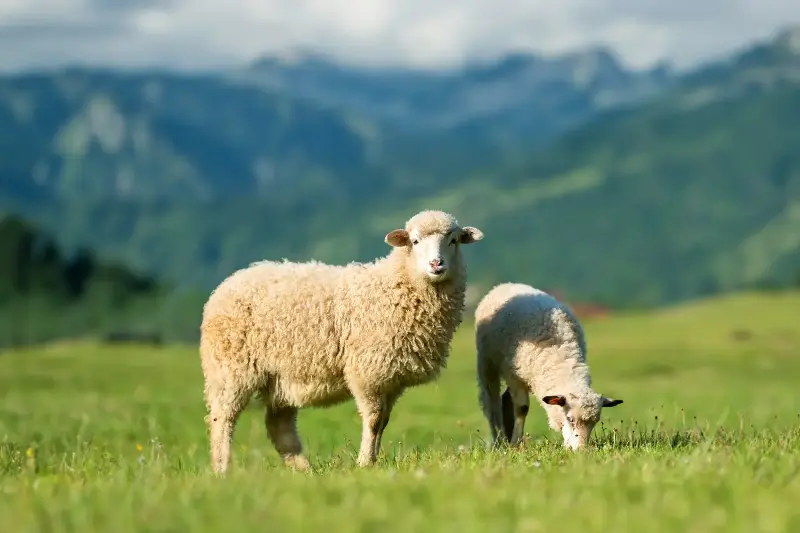
Sheep are often portrayed as passive creatures that blindly follow the flock, but animal cognition research paints a far more compelling picture. Sheep recognize distinct faces, remember individuals for years, form deep social bonds, and make experience-driven decisions. Their intelligence is uniquely optimized for thriving within a complex, vigilant social structure.
For a prey animal, knowing who is nearby is a matter of survival. Staying with trusted companions, detecting danger quickly, and interpreting subtle social signals allow sheep to navigate their environment effectively.
Faces That Stay in Memory
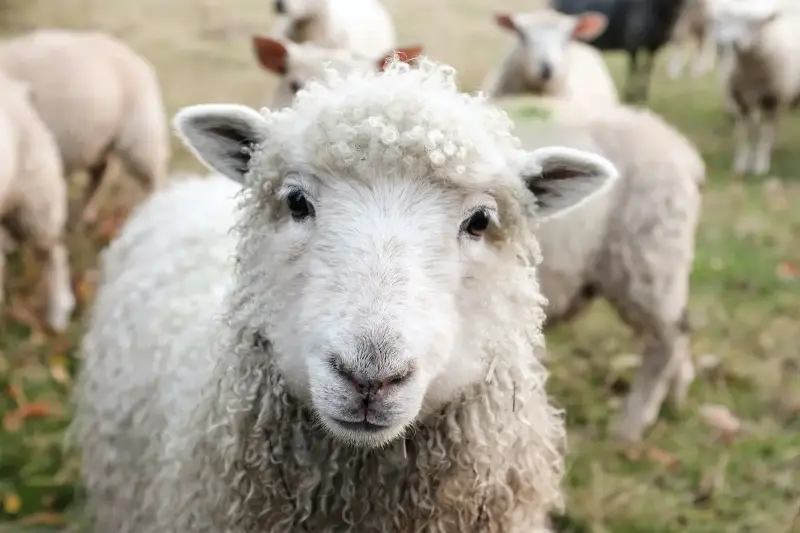
One of the most striking discoveries about sheep is their advanced facial recognition. Research demonstrates that sheep can distinguish between individual flock members and store those memories for extraordinary lengths of time:
- Long-Term Memory: In classic experiments, sheep recognized up to 50 distinct sheep faces and retained those memories for over two years.
- Cross-Species Recognition: Studies at the University of Cambridge revealed sheep can learn to identify human faces from photographs, including familiar handlers and public figures.
- Specialized Brain Regions: Brain imaging reveals dedicated visual and social processing areas activate when sheep view familiar faces, proving this capability is a sophisticated cognitive function rather than a simple habit.
Friendships in the Flock
A flock may look like a uniform mass from a distance, but sheep show clear personal preferences for specific companions. They actively seek out familiar flockmates while avoiding strangers.
Key dynamics within sheep social structures include:
- Maternal Recognition: Ewes and lambs form instant, powerful bonds post-birth. Mothers identify their offspring through a precise combination of scents, vocalizations, and visual cues.
- Stable Companionships: Adult sheep form lasting friendships, consistently grazing, resting, and traveling alongside preferred partners.
- Stress Reduction: Separating sheep from favored companions triggers measurable stress spikes, such as elevated heart rates and agitation, which rapidly subside upon reunion.
Understanding these social bonds is vital for animal welfare, as maintaining familiar groups significantly reduces handling stress.
Emotions and Social Signals
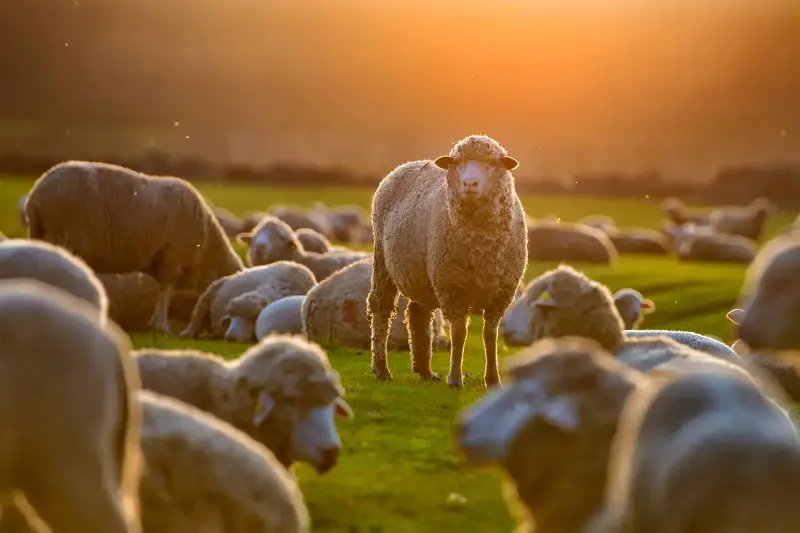
Sheep are highly attuned to the emotional states of those around them. They monitor facial expressions, postures, and vocal calls to assess their environment:
- Threat Detection: A frightened sheep instantly communicates alarm to the flock, prompting immediate collective vigilance.
- Vocal Variety: Calls carry detailed identity information, allowing individuals to locate specific companions across long distances.
- Expression Sensitivity: Research shows sheep pay closer attention to faces displaying tension or distress, helping them anticipate potential dangers.
Their rich vocalizations range from subtle mother-lamb communication to distinct isolation and distress signals.
Learning From Experience
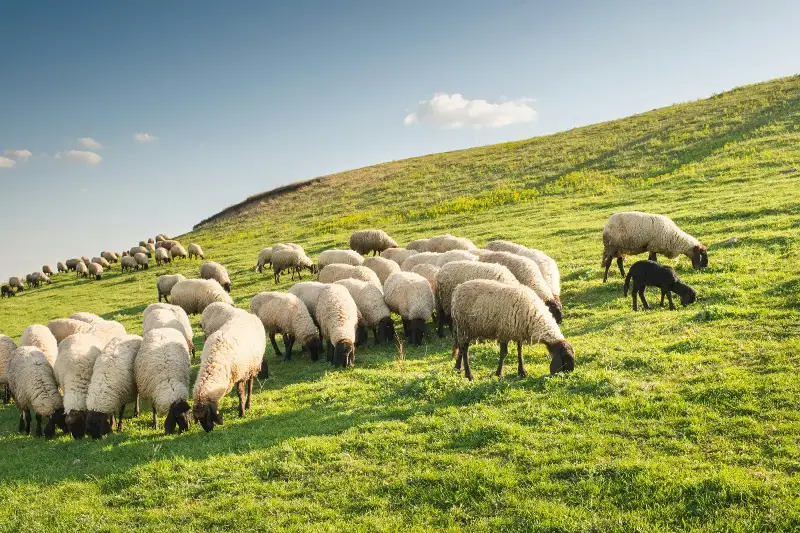
Sheep are adaptable, highly capable learners. They easily navigate complex mazes, form signal-to-food associations, and refine their foraging habits based on past outcomes.
- Nutritional Instincts: Grazing sheep quickly learn to identify nourishing plants while avoiding those that cause digestive discomfort.
- Observational Learning: Lambs mirror the foraging choices of experienced mothers, absorbing critical survival knowledge without personal risk.
- Strategic Flocking: Group movement is not mindless imitation; it is an efficient defense mechanism that maximizes predator detection and resource sharing.
A Different Kind of Intelligence
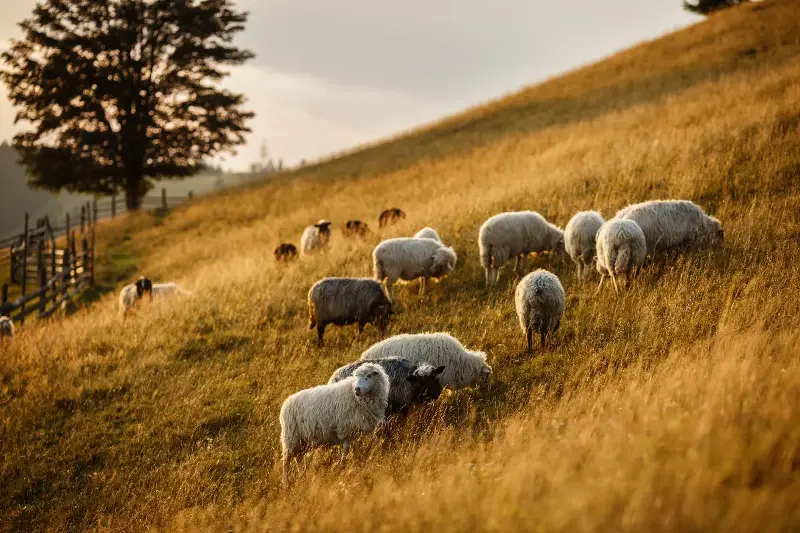
Sheep intelligence is best appreciated on its own terms. Rather than solving human puzzles, their cognitive strengths focus on social memory, emotional awareness, and group cooperation. Behind the quiet image of a grazing flock lies a vibrant network of remembered faces, close friendships, and shared knowledge.