


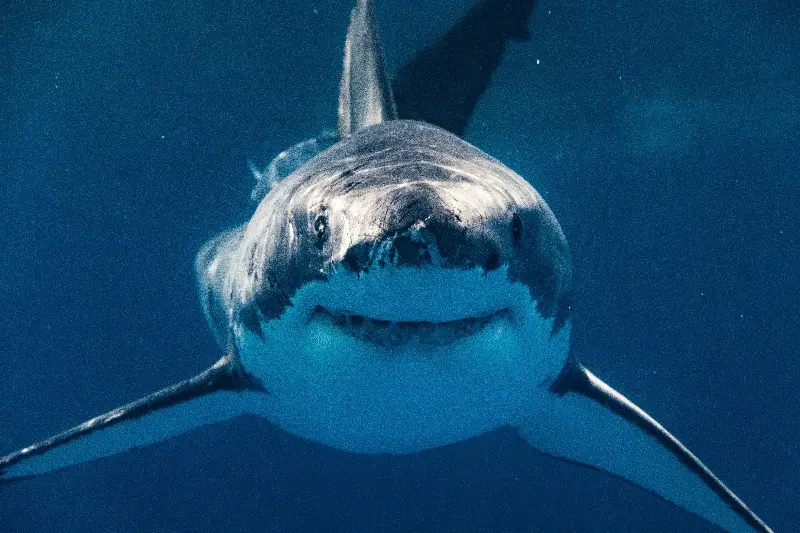
From the nail-biting chase of “Jaws” to the menacing coils of “Anaconda”, Hollywood has mastered the art of keeping us on the edge of our seats. While these films bring wildlife straight to our living rooms, they often leave accuracy behind, trading scientific fact for theatrical fear.
The result? Some of the world’s most fascinating animals are saddled with reputations they simply don’t deserve. By pulling back the curtain on these cinematic myths, we can discover how these misunderstandings shape—and even endanger—real-world species.
Ferocious Or Falsely Framed: Debunking Animal Villains
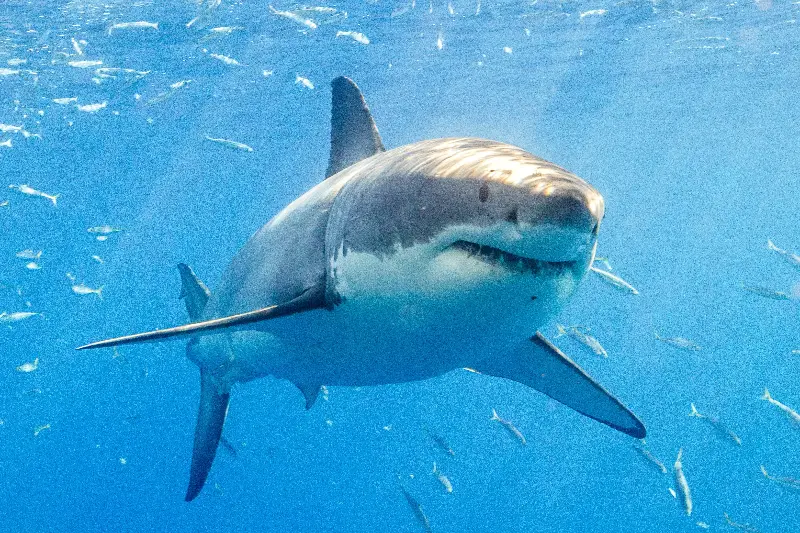
Movie screens love a terrifying beast, but few creatures have been as maligned as sharks. The 1975 blockbuster “Jaws” launched a thousand phobias and led to a global surge in shark hunting.
The Reality of the Deep:
- Statistical Truth: You are statistically more likely to be injured by a falling coconut or a vending machine than by a shark at the beach.
- Human-Centered Myths: Sharks are inquisitive apex predators, but humans are not on their natural menu.
- Ecological Impact: Fear-driven policies sparked by these films have pushed many shark species toward the brink of extinction.
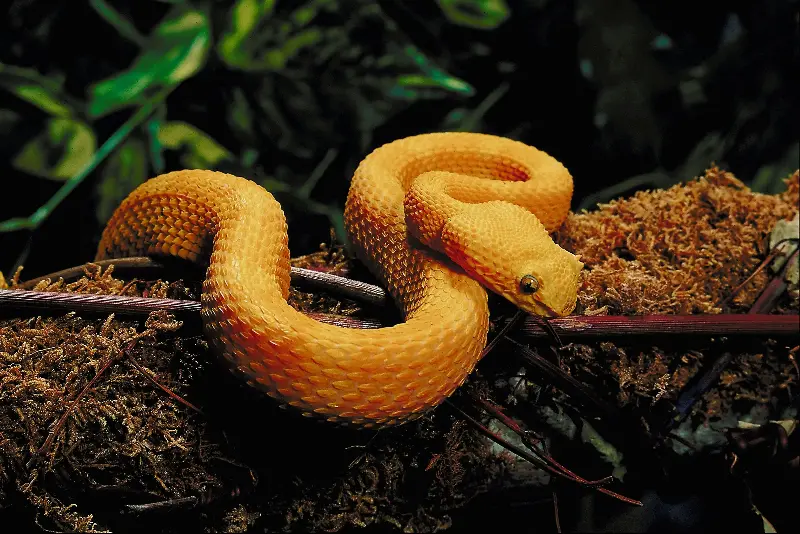
Snakes suffer a similar fate. Films like “Anaconda” fuel the belief that snakes are aggressive hunters actively seeking human prey. In truth, most snakes are shy and would rather avoid humans entirely. Defensive bites usually occur only when a snake is cornered or provoked, not because they are "plotting" an attack.
Misleading Marvels: Wild Animals As Companions
Hollywood isn't just guilty of creating villains; sometimes it creates impossibly friendly animal stars. Friendly chimps, loyal wolves, and affectionate big cats steal our hearts but paint a dangerous picture of wild behavior.
- The "Direwolf" Effect: After the popularity of Game of Thrones, there was a surge in people buying Siberian Huskies, many of whom were later abandoned when owners realized they weren't the "loyal protectors" seen on screen.
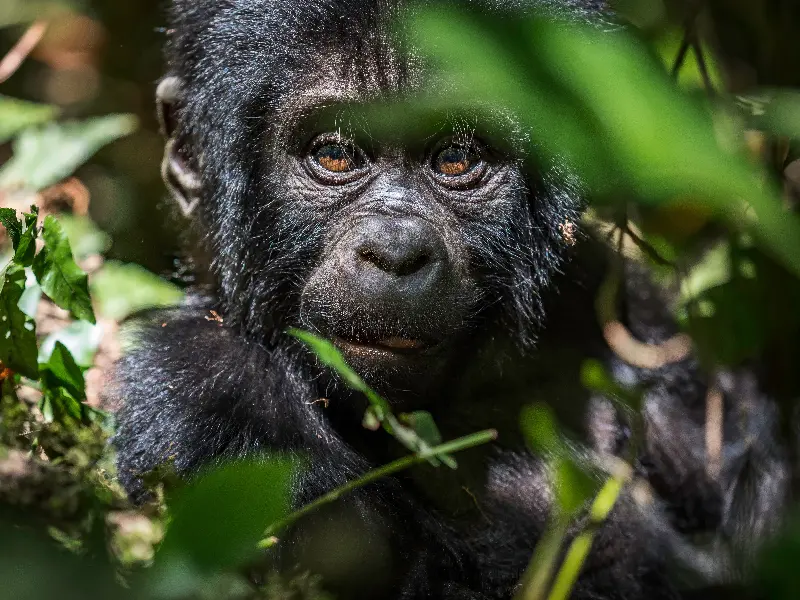
- Chimpanzees: Often portrayed as playful sidekicks, adult chimps are incredibly strong and can exhibit significant aggression as they mature.
- Big Cats: Films glamorizing the bond between humans and tigers drive the illegal wildlife trade. In reality, big cats require immense space and specialized diets that no domestic home can provide.
Eco-Fear: Movies That Exaggerate Wildlife Threats
Hollywood often pairs wild animals with disaster, portraying them as harbingers of environmental havoc. Whether it is swarms of "killer bees" or orcas stalking boats, these depictions create a generalized sense of eco-fear.
The Truth Behind the Terror:
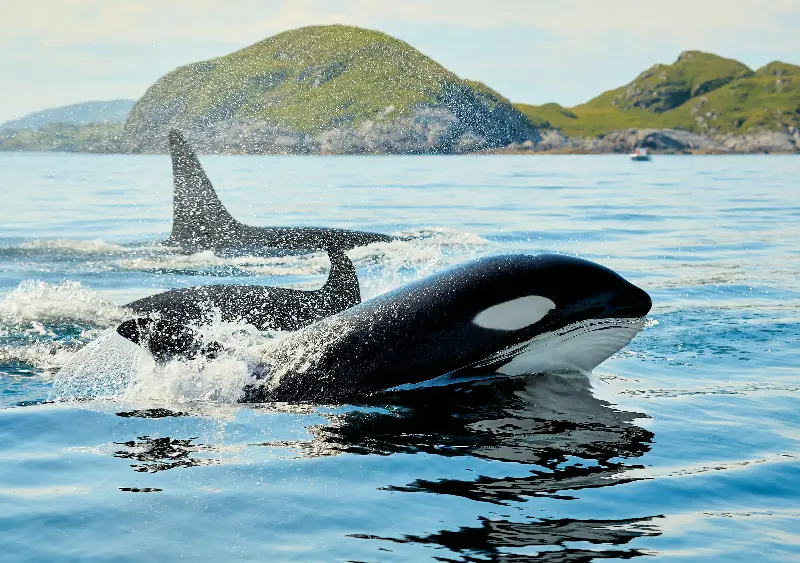
- Orcas (Killer Whales): Despite films like “Orca,” there has never been a recorded incident of an orca killing a human in the wild. They are, in fact, highly social and intelligent balancers of the ocean.
- Bats: Portrayed as disease-ridden or sinister "vampires," bats are actually essential for pollinating plants and controlling insect populations.
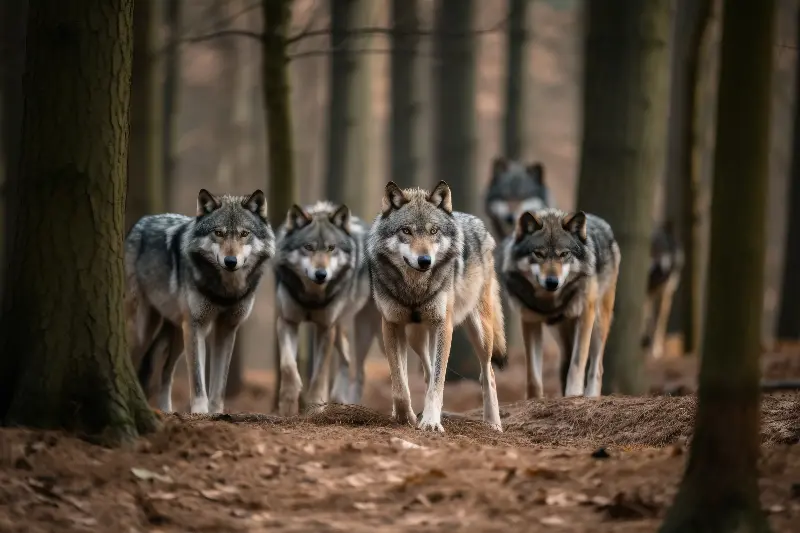
- Wolves: Often shown stalking humans through blizzards, wolves are naturally wary of people and play a vital role in maintaining healthy forest ecosystems.
From Fiction To Conservation: The Ripple Effect
The way wild animals are portrayed on the big screen doesn't just stay in the theater. These images influence public perception and government policy. A single blockbuster can doom a species to decades of bad publicity, resulting in reduced political will to protect them.
When an animal is seen as a "monster," public sympathy vanishes. This makes it significantly harder for conservationists to raise funds or pass laws to protect vulnerable habitats. Fortunately, the tide is turning. Modern documentaries and some responsible filmmakers are now collaborating with scientists to provide realistic portrayals that emphasize coexistence over conflict.
Wildlife In Media: Our Role As Viewers
As viewers, we have the power to enjoy the thrill of on-screen action while staying critically informed. Being a savvy watcher means:
- Questioning the Drama: If a creature seems too "evil" or "magically obedient," it’s likely movie magic.
- Consulting Science: Use reputable documentaries and educational resources to fill in the gaps left by Hollywood.
- Supporting Ethical Portrayals: Favor media that respects the wild nature of these animals.
Ultimately, wild animals are neither monsters nor playthings. They are complex, essential members of our global ecosystem. By busting movie myths, we ensure that the next generation sees wildlife for what it truly is: wild, wondrous, and beautifully real.