


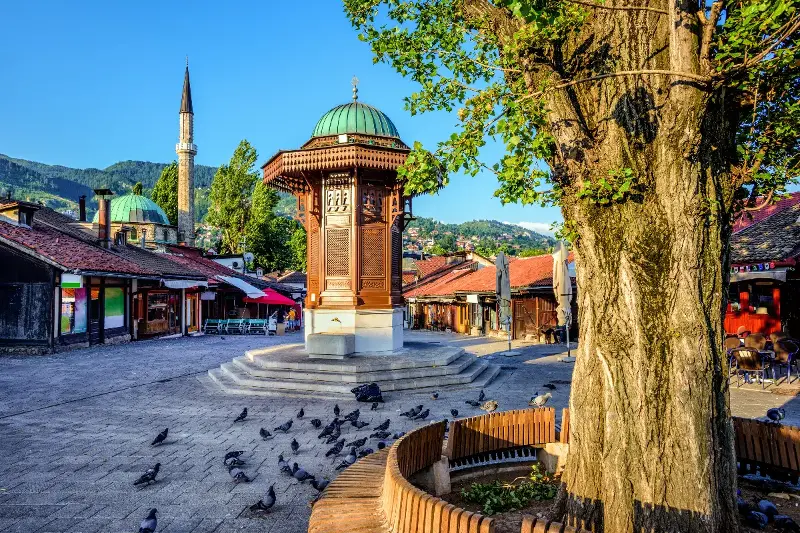
In the historic heart of Sarajevo, nestled between rolling hills and the gentle curving of the Miljacka River, lies a district so enchanting it seems to hold time itself at bay. Baščaršija, the old bazaar of Bosnia and Herzegovina’s vibrant capital, welcomes visitors with an irresistible blend of Ottoman charm, lively street life, and the aroma of freshly roasted coffee.
For centuries, this neighborhood has served as the city’s soul. Today, it remains a living testament to the enduring grace of Ottoman heritage in southeastern Europe.
TIMELESS STREETS AND HISTORIC SIGHTS
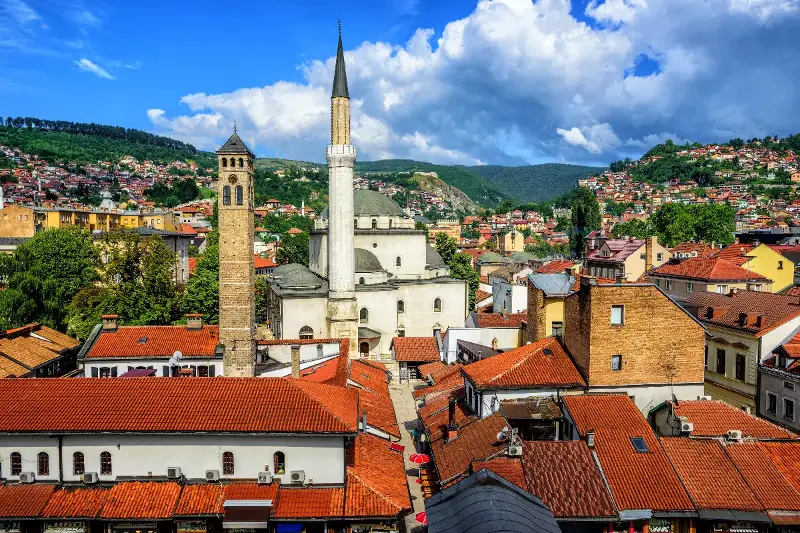
Walking into Baščaršija is like stepping through a portal to a bygone era. Laid out in the 15th century by Isa-Beg Ishaković, the bey who founded Sarajevo, these cobbled lanes were meticulously designed as the city’s trading and cultural epicenter. The very name “Baščaršija” translates directly to "main bazaar". Even after centuries, its mosaic of stone alleys, wooden shopfronts, and ornate mosques speak to a mastery of ancient urban planning.
The district boasts several world-class landmarks:
- The Sebilj: A graceful wooden fountain built in 1753. Legend whispers that those who drink from its cold waters will one day return to Sarajevo.
- Gazi Husrev-beg Mosque: Completed in 1531, it remains one of the finest examples of Ottoman architecture in the Balkans and continues to function as an active center of faith and community.
A MARKET ALIVE WITH HERITAGE
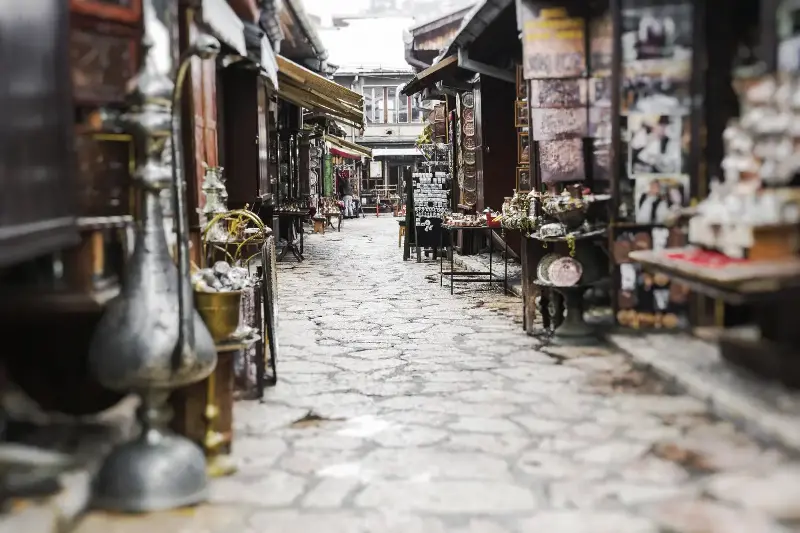
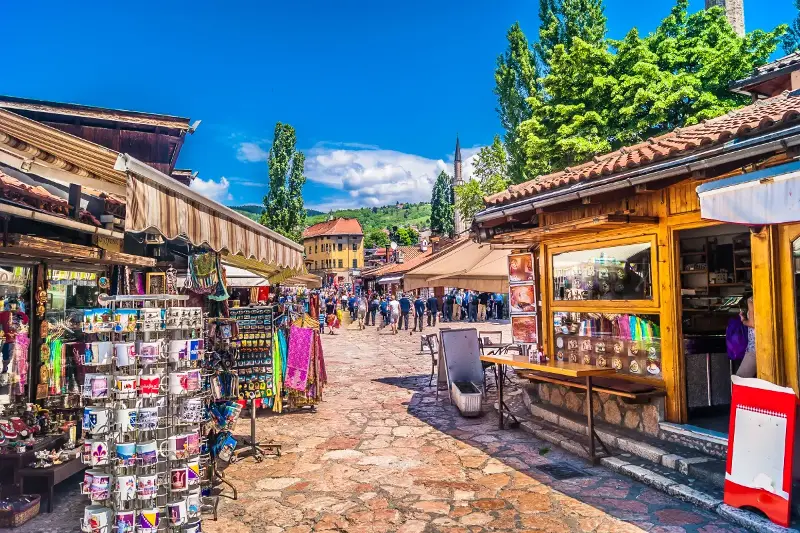
The true heart of Baščaršija beats in its bustling, open-air marketplace. Once you leave behind the high-street stores of modern Sarajevo, you are greeted by a tapestry of sights and sounds that have changed remarkably little over the generations.
Stalls spill into the stone pathways, heaped with hand-crafted copper coffee sets, intricately patterned rugs, and rows of glittering filigree jewelry. The hands that hammer, grind, and polish these wares follow techniques passed down across families, embodying a slow, deliberate artistry rarely seen in the rapid rhythm of today’s world.
One of Baščaršija’s most enchanting sights is Kazandžiluk, or Coppersmith Street. Here, artisans can be found hunched over rustic workbenches, their deft movements turning sheets of raw copper into elaborate teapots and lamps. Locals take immense pride in the fact that many families have kept their trade alive through centuries of cultural transformation, making every purchase a genuine piece of living history.
ARCHITECTURAL ECHOES OF A BYGONE ERA
Baščaršija’s beauty goes far beyond its busy commerce. With every turn, visitors encounter the subtle elegance of Ottoman structural design:
- Avlija (Courtyards): Peaceful, hidden retreats nestled behind bustling storefronts, often adorned with centuries-old roses and shaded by mature walnut trees.
- Caravanserais: Historic roadside inns built to shelter merchants and travelers, serving as sturdy reminders of Sarajevo’s days as a crucial trade crossroads between East and West.
Not to be missed is Morića Han, the largest surviving caravanserai in Sarajevo. Once capable of sheltering hundreds of merchants and their horses, today it houses open-air cafes and artisan shops. Its stout wooden beams and thick stone walls shelter an incredible wealth of history. Nearby, the Bezistan, a covered vaulted market, continues to offer fine textiles and antiques just as it did centuries ago.
A MEETING POINT OF CULTURES AND FLAVORS
One of the true marvels of Baščaršija is how seamlessly diverse cultures blend together. Ottoman, Slavic, Sephardic Jewish, and Austro-Hungarian influences have mingled in every corner, creating a uniquely Bosnian heritage.
Nowhere is this harmonious blend more obvious than in the local food culture:
- Ćevapi: Tiny, seasoned rolls of grilled minced meat served tucked inside pillowy somun bread.
- Burek: A flaky, golden pastry pie filled with savory ingredients.
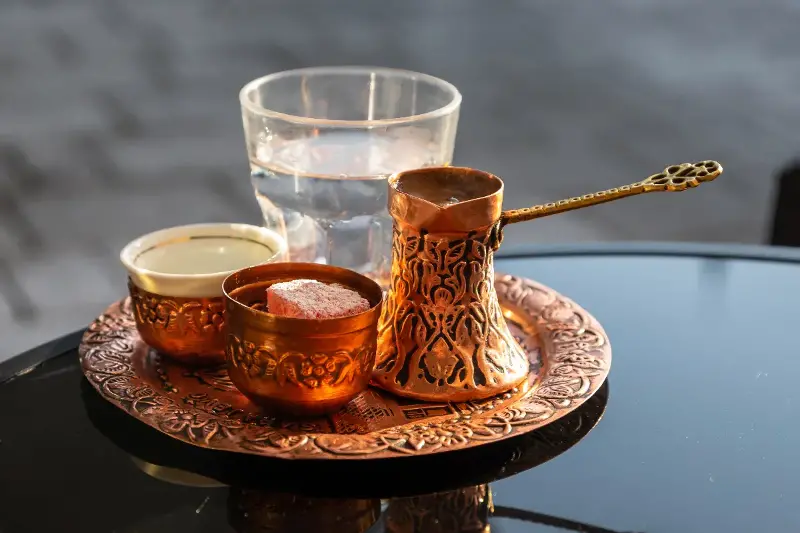
- Bosnian Coffee: Thick, unfiltered, and traditionally served in beautiful, hand-engraved copper pots called džezve.
This coffee ritual invites you to pause, relax, and savor your surroundings, where conversations naturally blend a dozen international languages. Cafes, mosques, old workshops, and souvenir stands exist side-by-side, mirroring the centuries of peaceful coexistence that shaped the broader spirit of the nation.
STORIES IN STONE AND SOUL
Behind every arch and alley of Baščaršija lies a story of resilience. The bazaar has survived major fires and historical hardships, always rebuilding and reinventing itself without losing its unique essence.
To wander through Baščaršija is to be reminded that beauty is found in the living, breathing heart of a community that honors its past while stepping confidently into the future. For anyone seeking a glimpse of timeless elegance and a warm welcome, Baščaršija is an unforgettable destination.