



We’ve all been there: tossed powerbank into a bag at the last second, only to get an awkward look from airport security. If you've ever wondered why powerbanks are such a big deal when flying, you're in the right place. These handy gadgets can keep your devices alive when you’re on the move, but they’re also the focus of some pretty strict airline regulations. Here’s what you need to know about flying with powerbanks, so you can breeze through security and keep your trip running smoothly.
Why Airlines Care About Powerbanks
To understand airline rules, it helps to know why powerbanks get all this attention. The heart of a powerbank is its lithium-ion battery. While these batteries bring the convenience of portable power, they can pose a fire risk if damaged, short-circuited, or manufactured poorly. Airports and airlines are incredibly cautious with anything that could lead to emergencies in the air.
Incidents involving battery fires, though rare, are serious enough that international aviation authorities and airlines have a unified stance: all devices containing lithium-ion batteries, including your trusty powerbank, must be handled with care.
Carry-On Baggage Only: No Powerbanks in Checked Luggage
One rule is nearly universal, no matter which airline you fly: powerbanks must go in your carry-on baggage, never in your checked luggage. Security staff routinely screen checked luggage for hidden batteries, and they’re trained to remove prohibited devices for safety reasons.
Placing your powerbank in carry-on luggage ensures that, if there is an issue—such as overheating or, in rare cases, ignition—cabin crew can react immediately. If a battery malfunctioned in the cargo hold, it would be nearly impossible for crew to deal with quickly. For this reason, many checked bags are flagged or opened if a powerbank is detected during X-ray screening.
Know Your Power Capacity: The Golden Rule of Watt-Hours
All powerbanks are not created equal. Airlines don’t just care about whether you have a powerbank—they care about how powerful it is. The critical measurement here is watt-hours (Wh), which is a way of expressing the capacity of a battery. Most powerbanks display their capacity in milliampere-hours (mAh), but you can easily convert this: watt-hours = (mAh × volts) ÷ 1,000.
Here’s what most airlines follow, based on International Air Transport Association (IATA) guidelines:
- Powerbanks up to 100 Wh: Safe to bring in carry-on, usually with no limit per passenger.
- Powerbanks between 100 Wh and 160 Wh: Allowed on board, but only with airline approval. Airlines often limit you to two of these, and you may need to declare them.
- Powerbanks over 160 Wh: Prohibited for passenger flights.
If your powerbank only displays mAh and not Wh, a typical 20,000 mAh powerbank at 3.7 volts totals about 74 Wh, so it’s generally safe. However, always check your device specs before heading out. High-capacity models, especially those designed for laptops, can easily exceed the 100 Wh limit.
Label, Declare, and Be Ready for Questions
If there is one piece of advice seasoned travelers swear by, it’s to keep your powerbank’s label visible. Many airports, especially in Asia and the Middle East, will ask to see the watt-hour rating. If it isn’t printed on the device and you have no documentation, you might end up leaving your expensive powerbank behind.
Always be honest and upfront with security personnel. If asked, declare your powerbank and provide information on its size. Some travelers carry a screenshot of the specifications or even a printout from the manufacturer’s website as backup.
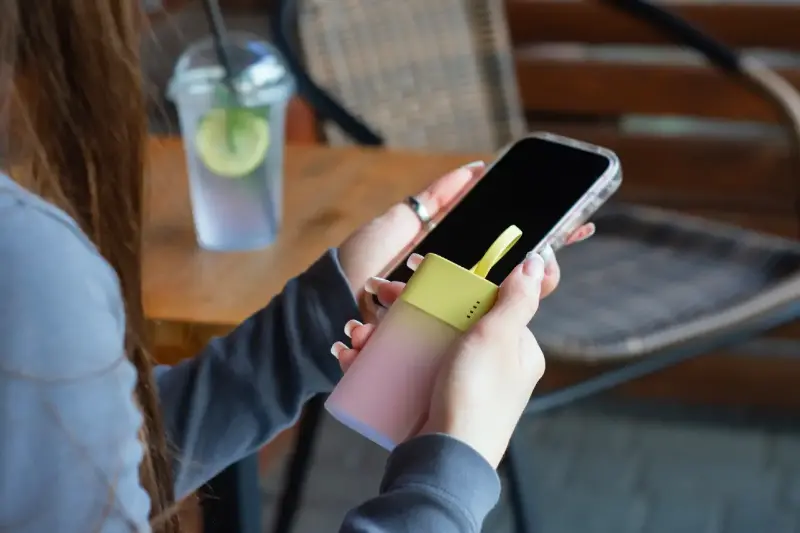
What Else to Know: Airlines’ Quirks and Differences
Airlines don’t all play by the exact same rulebook. For example, Chinese airlines are especially strict: all powerbanks must be labeled with clear capacity information, and they absolutely cannot go in checked luggage. In India, the Central Industrial Security Force (CISF) frequently makes announcements at airports reminding passengers to keep powerbanks out of checked bags. Some European airlines have additional limits on the number of powerbanks per passenger or require them to be individually protected against short circuits.
Low-cost carriers sometimes restrict the total number of batteries or powerbanks to two per person, regardless of capacity, so always check your carrier’s actual policy.
Travel Tips: Keep Your Powerbank Safe and Accessible
As you get ready to fly, charge your powerbank only to about 70%—not fully topped off. This reduces risk and is recommended by several airlines. Use a protective case and keep powerbanks out of direct sunlight and away from sharp objects in your bag.
If you’re connecting through multiple airports or flying internationally, double-check the rules for each destination. Local customs authorities may have even tighter restrictions.
And don’t forget: you can use your powerbank in flight, but never plug it into the airplane's seats or outlets unless the crew gives the okay. Loose connections or mismatched voltages can sometimes cause problems.
Final Boarding Call: Don’t Get Caught Out
Powerbanks go hand in hand with modern travel, but knowing the rules can mean the difference between a smooth journey and a stressful one. Always carry your powerbank in your hand luggage, make sure it’s properly labeled, keep an eye on watt-hour limits, and check your airline’s rules before you fly. A few minutes of prep will keep your devices—and your trip—powered all the way to your destination. Safe travels and happy charging!