


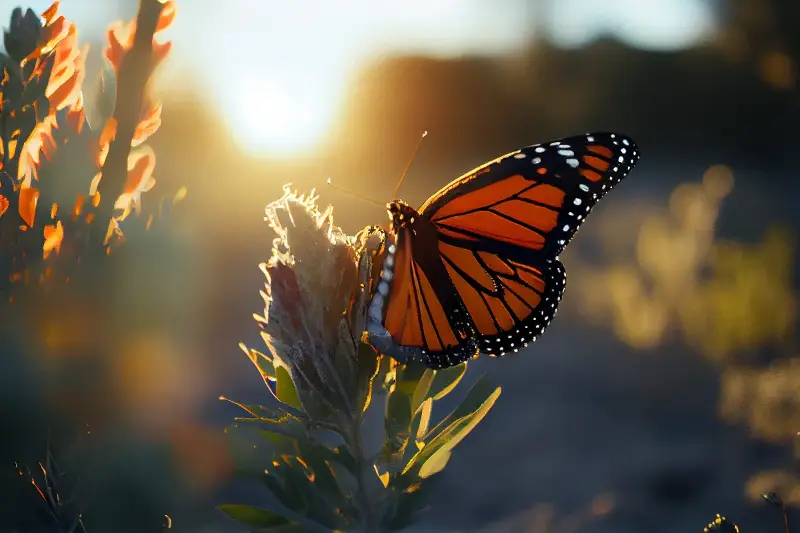
Butterflies seem delicate, yet their lives influence forests, farms, gardens, and scientific research across the planet. With wings that flash blue, orange, yellow, or nearly transparent, they bring beauty to landscapes while performing vital ecological work. Their transformation from crawling caterpillar to flying adult is one of nature’s most remarkable processes, with every stage serving an essential purpose.
A butterfly begins life as a tiny egg, carefully placed on a host plant chosen by its mother. Many species depend strictly on a few host plants because their caterpillars can eat nothing else. The monarch butterfly, for instance, lays eggs on milkweed—a plant containing natural compounds that caterpillars store in their bodies, making both larvae and adults unpleasant to predators.
A Life Built on Transformation
After hatching, the caterpillar spends most of its time feeding. This stage is far more than simple preparation for flight:
-
Ecosystem Engineering: Caterpillars are powerful plant consumers that help shape vegetation growth in meadows and woodlands.
-
Vital Food Source: As they feed, caterpillars become essential nourishment for birds, spiders, reptiles, and small mammals within local food webs.
-
Metamorphosis: Inside a protective chrysalis, specialized cell groups construct wings, legs, antennae, and complex eyes.
This biological division of life stages reduces competition. Caterpillars feed on leaves while adult butterflies sip floral nectar, allowing them to occupy entirely different ecological roles during a single lifetime.
Colors with Purpose
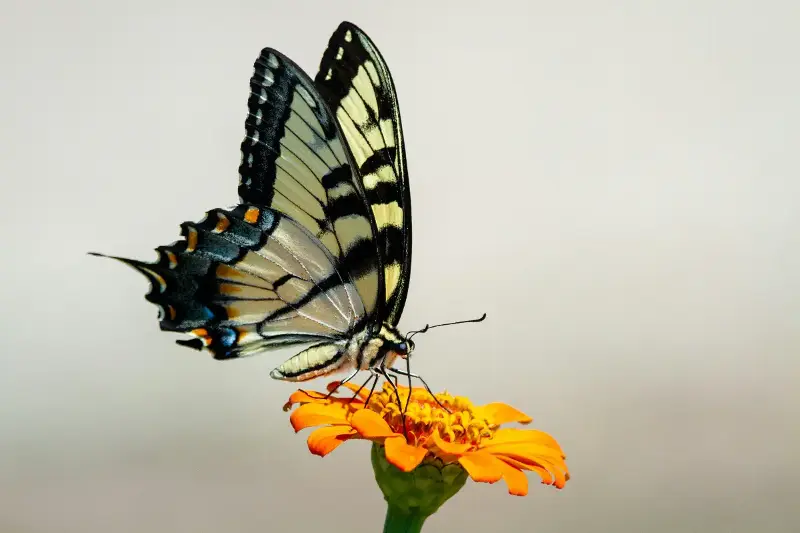
Butterfly coloration is far more than simple decoration. Colors arise from pigments (absorbing and reflecting specific light wavelengths) or structural iridescence, where microscopic ridges on wing scales bend light into shimmering blues and greens.
Color serves several critical functions:
-
Camouflage: Species like the orange oakleaf resemble dry, veined leaves when their wings are closed, blending seamlessly into bark or leaf litter.
-
Warning Signage: Bright orange, black, and white patterns warn predators of unpleasant taste or toxicity.
-
Mimicry: Harmless species copy the bright warning patterns of toxic butterflies to deter hungry hunters.
-
Mate Recognition: Complex ultraviolet markings and iridescent flashes allow butterflies to identify potential mates across long distances.
Pollinators in Motion
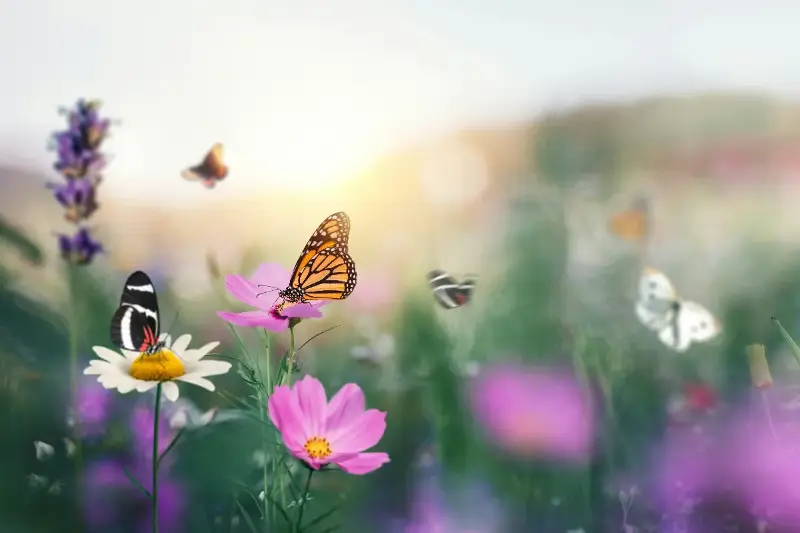
Adult butterflies are indispensable pollinators. As they sip nectar through a straw-like proboscis, pollen clings to their bodies and travels to neighboring flowers. While individual butterflies carry less pollen than bees, their ability to fly over wider areas allows them to transport pollen across greater distances.
Butterflies are especially drawn to clusters of small, nectar-rich blooms such as asters, verbena, lantana, coneflowers, and milkweed. Furthermore, because butterflies are highly sensitive to temperature, rainfall, and plant health, scientists rely on them as environmental indicators to assess ecosystem stability.
Long Journeys and Global Connections
Some butterflies complete extraordinary migrations. Millions of North American monarchs travel thousands of miles between northern breeding grounds and wintering forests in Mexico. Because no single butterfly completes the entire round trip, several generations work together to navigate routes guided entirely by inherited instinct.
Similarly, the painted lady butterfly migrates across Europe, Africa, and Asia over multiple generations. These long-distance journeys demonstrate how butterflies connect landscapes and ecosystems on a global scale.
How People Can Help
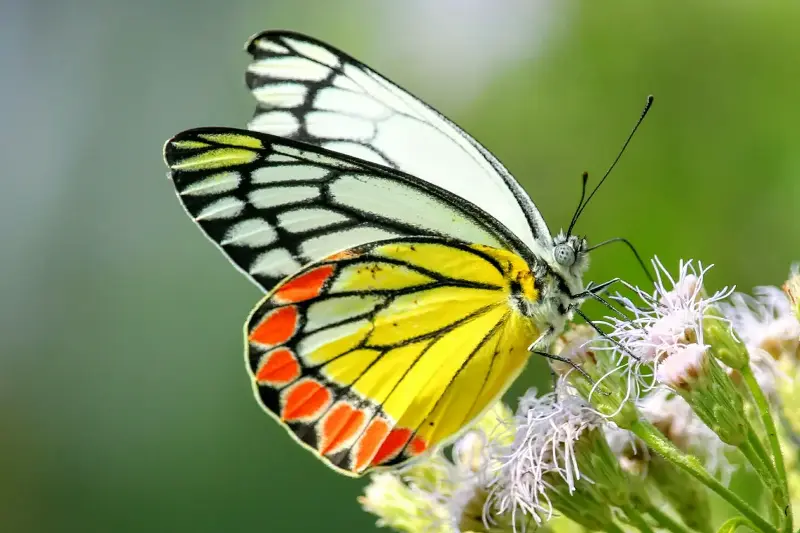
Creating a welcoming sanctuary for butterflies requires thoughtful, simple habits:
-
Plant Host Species: Grow native host plants for hungry caterpillars alongside nectar-rich flowers for adults.
-
Eliminate Harsh Chemicals: Avoid broad-spectrum pesticides that harm caterpillars, adult pollinators, and beneficial insects.
-
Provide Sheltered Spaces: Leave fallen leaves and wild patches intact so butterflies can shelter or overwinter safely.
By protecting the flowers, host plants, and wild spaces butterflies require, we ensure that these colorful ambassadors of nature continue to enrich our environment for generations to come.