


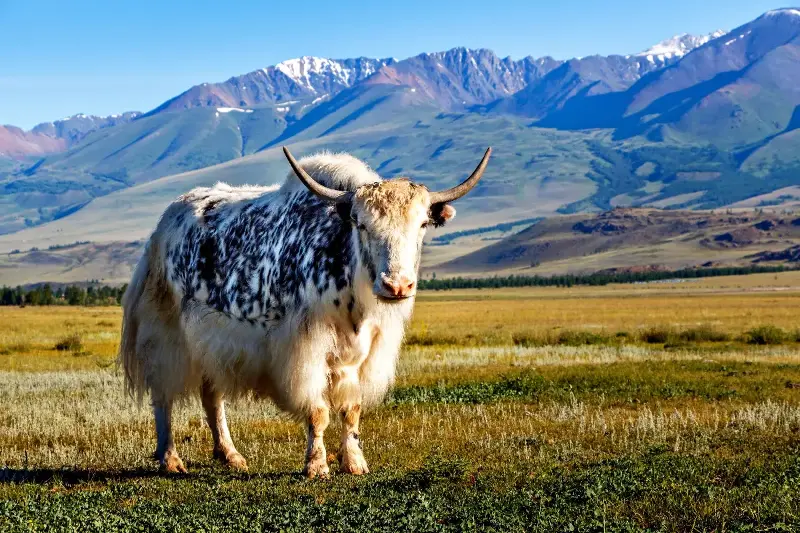
High above the tree line—where crisp mountain winds blow and oxygen is scarce—the yak thrives. This shaggy, remarkably sure-footed mammal stands as one of the great survivors of Asia’s highest peaks. For communities across the Himalayas and the Tibetan Plateau, these majestic animals provide vital sustenance, reliable warmth, versatile clothing, and faithful companionship in landscapes where few other domestic animals could ever survive.
Wild and domestic yaks both belong to the bovine family alongside cattle, bison, and buffalo. The domestic yak is known scientifically as Bos grunniens, while its wild counterpart is Bos mutus. Despite their impressive build, yaks are extraordinarily gentle and calm when well handled, earning them a treasured place in high-altitude culture.
Built for Thin Air
Yaks are superbly adapted to thrive at elevations between 3,000 and 5,000 meters above sea level. Their survival in these extreme environments relies on remarkable biological traits:
-
High-Efficiency Circulation: Enlarged hearts, expanded lung capacities, and specialized red blood cells deliver oxygen rapidly throughout their bodies, allowing them to climb and carry heavy loads effortlessly.
-
Insulating Dual-Layer Coat: A dense, woolly undercoat traps body heat, while long, sweeping outer hairs shield them from biting frost and driving snow.
-
Multi-Purpose Tail: Unlike common cattle, a yak boasts a long, bushy tail—traditionally valued for crafting hand-woven textiles, fly whisks, and household goods.
Strength on Mountain Trails
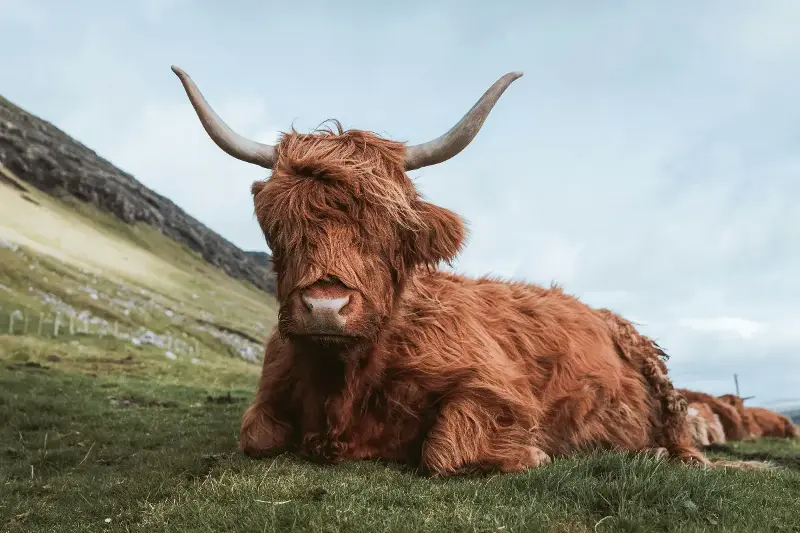
An adult domestic yak typically weighs between 300 and 500 kilograms, whereas wild bulls can reach a massive 1,000 kilograms. Both males and females carry impressive curved horns, with bulls displaying noticeably broader profiles.
This incredible physical strength makes yaks indispensable partners on rugged alpine routes:
-
Unmatched Navigation: Their broad, sure-footed hooves provide exceptional traction across icy mountain passes, steep shale, and uneven rock.
-
Steady Endurance: They maintain a calm, energy-conserving pace, carrying essential supplies, tents, and gear across paths impassable to vehicles.
-
Strong Social Bonds: Naturally herd-oriented, yaks find safety together. While wild bulls may roam independently outside the breeding season, herds naturally look out for one another across vast alpine pastures.
A Living Resource for Mountain Communities
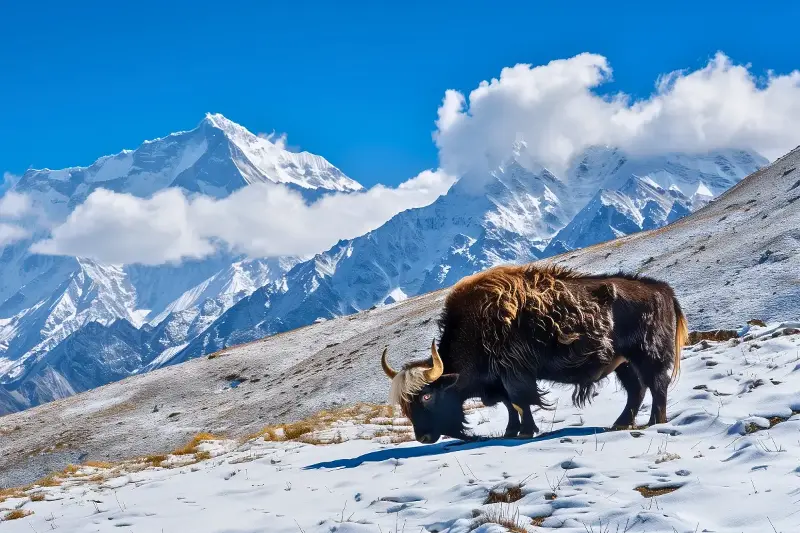
In high-altitude regions where traditional crop farming is strictly limited, yak husbandry supports every aspect of daily life:
-
Nutritious Dairy: Rich, creamy yak milk is packed with essential fats. It is freshly enjoyed or crafted into savory cheese, yogurt, and golden butter—the iconic ingredient in traditional butter tea.
-
Sustaining Protein: Yak meat provides valuable nutrients for local families enduring severe, freezing winters.
-
Versatile Textiles: Fine, soft undercoat fibers are spun into cozy garments and blankets, while coarse outer hair is woven into ultra-strong ropes and weather-resistant tents.
-
Eco-Friendly Fuel: Dried yak dung serves as a dependable, renewable heating and cooking fuel in completely treeless landscapes.
Wild Yaks Need Space
While domestic yaks are abundant, wild yaks are classified as vulnerable by conservation organizations. Primarily roaming the vast Tibetan Plateau, these grand animals require expansive, unbroken landscapes filled with native grasses, alpine sedges, and natural water sources.
Protecting these pristine high-altitude ecosystems ensures wild herds can continue to thrive. Observing a wild yak in its tranquil natural element remains one of the world's most unforgettable wildlife experiences.
More Than a Shaggy Mountain Icon
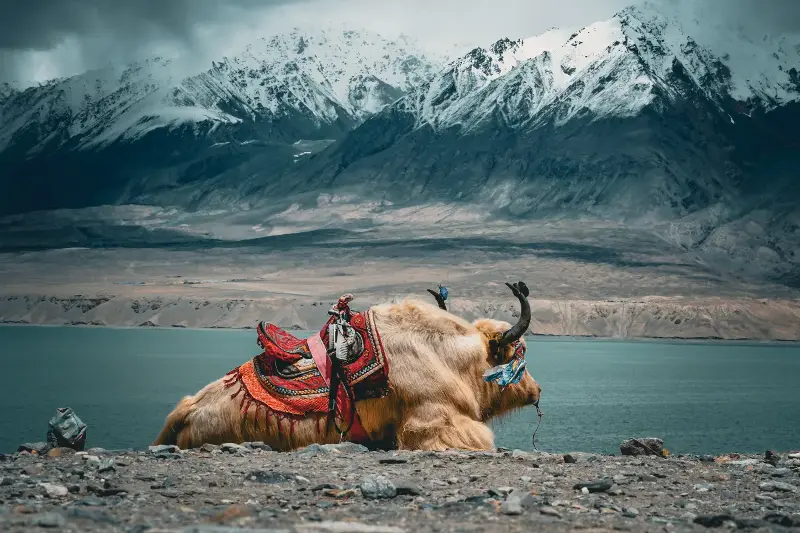
Beyond its striking silhouette and impressive horns lies a story of extraordinary natural resilience. The yak gracefully withstands freezing temperatures, flourishes in thin alpine air, and navigates some of the world's most breathtaking terrains. Far more than just a highland icon, the yak remains a beloved symbol of endurance, harmony, and life in the mountains.