


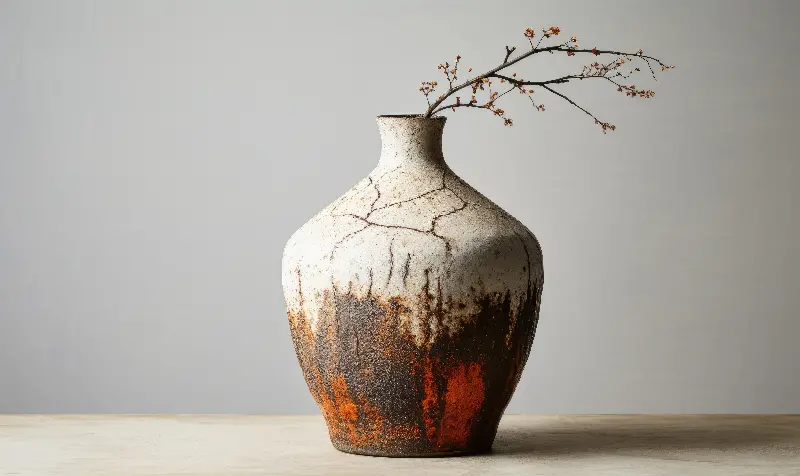
The timeless charm of imperfect ceramics is bewitching art lovers, collectors, and even design newcomers around the world. This appeal goes far beyond aesthetics, rooted instead in a centuries-old Japanese philosophy: wabi-sabi. Meaning literally "flawed beauty", wabi-sabi celebrates irregularity, impermanence, and the simple poetry of things made by hand.
As more people crave authenticity and uniqueness in their homes, imperfect ceramics—each with its quirks, cracks, and idiosyncrasies—have found themselves at the very heart of a global movement.
WHAT IS WABI-SABI? THE SOULFUL STORY BEHIND THE STYLE
Wabi-sabi isn’t just a visual style—it’s a state of mind that encourages the acceptance of transience and imperfection. Drawing from Zen Buddhist teachings, it asks us to relinquish the desire for perfection and recognize the quiet beauty in the ordinary.
The concept is split into two complementary ideas:
- Wabi: Reflects a sense of understated elegance, rustic simplicity, and the beauty found in solitude.
- Sabi: Embodies the graceful aging of things over time, finding value in the "wear and tear" of life.
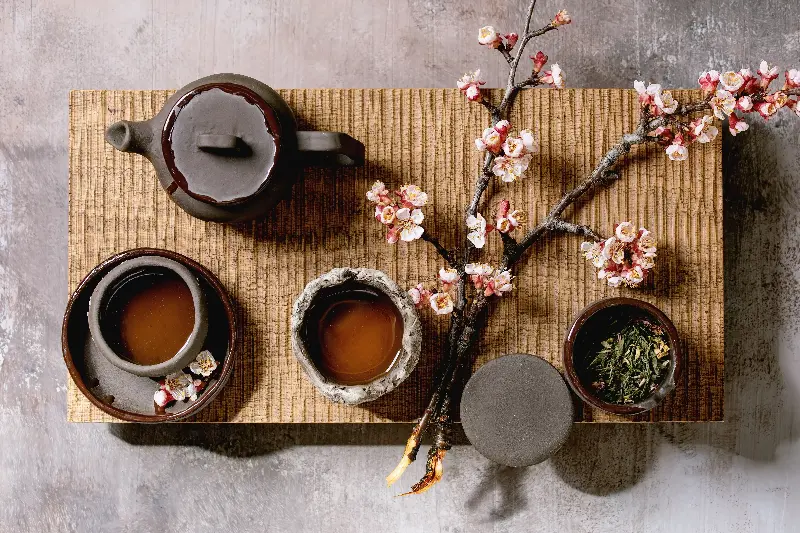
Centuries ago, Japanese tea masters started using wild, rough-hewn ceramics in the tea ceremony as a counter-cultural statement. This was a deliberate break from the lavish, symmetry-obsessed Chinese porcelain that had dominated elite circles. These naturalistic bowls, known as chawan, were prized for their uneven lips, finger marks, and spontaneous glazes—the unique footprints of their creator.
THE IRRESISTIBLE ALLURE OF IMPERFECT CERAMICS
Every wabi-sabi ceramic piece is, by definition, one of a kind. The randomness of glaze runs, the accidental pitting, and the way clay warps under heat become marks of distinction rather than flaws.
Artisans often intentionally incorporate "punctuated imperfection" to enhance this connection:
- Tactile Marks: Leaving a thumbprint in a jug’s body or an unrefined base.
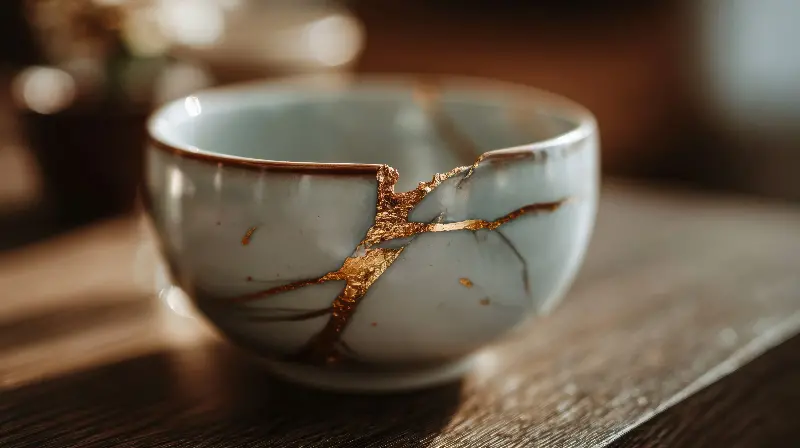
- Kintsugi: The ancient technique of mending broken pottery with veins of gold lacquer, turning a scar into a symbol of resilience.
- Natural Textures: Using sand-heavy clays that result in a rough, "earth-born" feel.
Global collector interest is fueled by the growing backlash against mass-produced, flawless objects. Wabi-sabi ceramics bring the tactile and soulful back to a world saturated with plastic perfection. Each cup or platter invites touch and contemplation, gently reminding us to slow down and find joy in daily rituals.
A WORLDWIDE MOVEMENT IN VISUAL ARTS AND INTERIORS
While the heart of wabi-sabi remains in Japan, its philosophy has rippled outwards. International ceramicists from Denmark to South Africa are now applying these principles in their studios, inspired by Japanese tea-ware but adding their own cultural twists.
This influence is seen across various sectors:
- The "Japandi" Trend: A fusion of Japanese wabi-sabi and Scandinavian minimalism that focuses on clean lines, neutral colors, and natural materials.
- High-End Galleries: Spaces in New York, London, and Paris host sell-out exhibitions where collectors eagerly pay premium prices for "imperfect" works.
- Modern Gastronomy: Restaurants are setting tables with mismatched, irregular ceramics, transforming a humble meal into an artful, sensory experience.
WHY COLLECTORS ARE PASSIONATE ABOUT IMPERFECTION
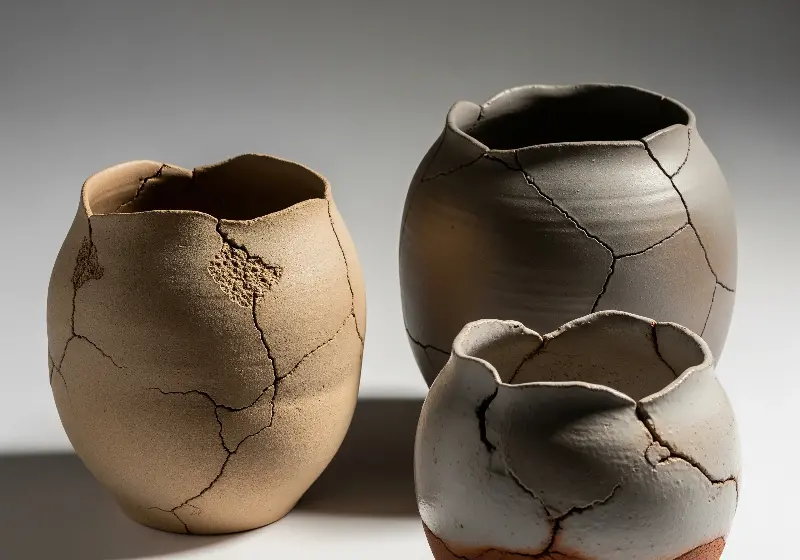
For collectors, wabi-sabi ceramics offer a refreshing antidote to the pressures of a picture-perfect world. Each piece is a reminder that value is not defined by perfection, but by the presence of humanity.
Many enthusiasts find a deeper meaning in building a collection over time, hunting for pieces that speak to their personal journey. Whether it’s a cup with a whimsical handle from a Kyoto market or a giant platter scarred by the fire of a rural kiln, these objects capture memories and inspire mindfulness.
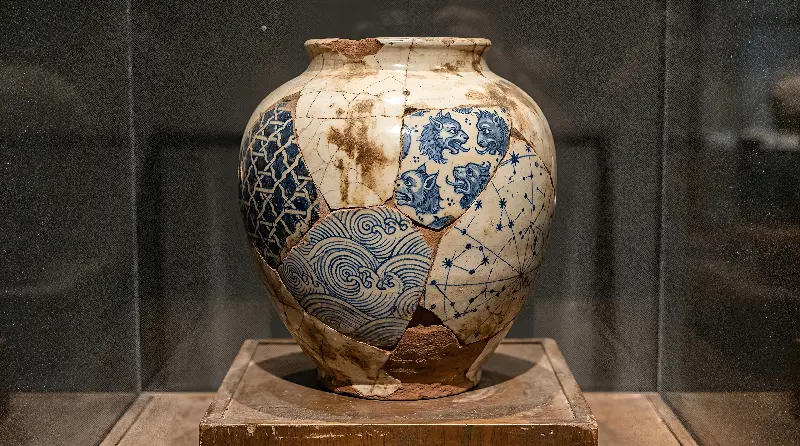
WABI-SABI IN DAILY LIFE: A GATEWAY TO LIVING ARTFULLY
Wabi-sabi ceramics are more than trendy decor—they’re a gateway to rethinking how we live. By accepting the beauty in imperfection, we open ourselves to moments of appreciation in the everyday. Rather than hiding the cracks or lamenting what is “wrong”, devotees of wabi-sabi learn to cherish what is real and personal.
As this philosophy gains momentum, the humble, handmade bowl becomes a small act of rebellion—an invitation to celebrate the artful traces of our shared human journey. In a world obsessed with perfection, the allure of wabi-sabi ceramics rises as a beautiful reminder: sometimes, it’s the cracks and fingerprints that make something truly priceless.