


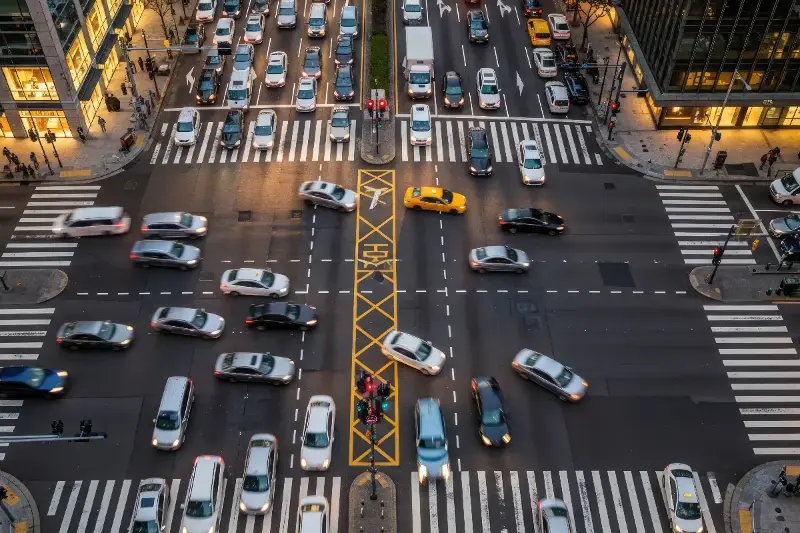
City driving can make even an efficient car feel surprisingly thirsty. Short trips, traffic lights, crowded junctions, and frequent idling all consume far more fuel than a steady highway journey. Fortunately, adoption of smart driving habits and proper vehicle care can make a dramatic difference, helping you save money without adding stress to your daily commute.
Plan Trips to Avoid Extra Miles
The most affordable fuel is the fuel you never burn. Smart planning reduces unnecessary mileage and keeps your engine running efficiently:
- Combine Errands: A warmed-up engine operates far more efficiently than a cold one. Visiting the market, pharmacy, and post office in a single trip uses less fuel than taking three separate outings.
- Avoid Peak Hours: Whenever possible, schedule travel outside heavy commuting hours to avoid long periods of fuel-wasting idling.
- Choose Smoother Routes: A slightly longer route with flowing traffic often uses less fuel than a shorter path choked with stop-and-go queues.
Drive Smoothly and Read the Traffic
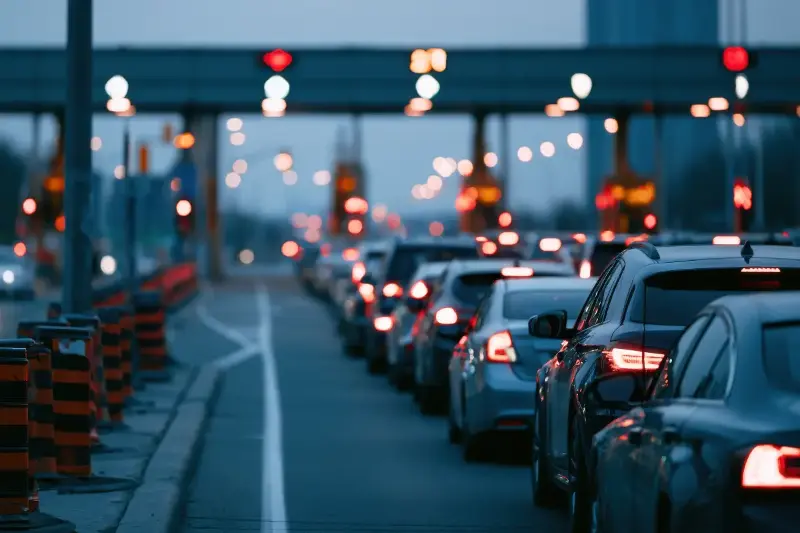
Hard acceleration is one of the fastest ways to drain your tank in urban environments. Aim for gentle, confident acceleration that keeps pace with traffic without revving the engine excessively:
- Anticipate Red Lights: Watch traffic signals well ahead. Easing off the accelerator early allows you to coast toward a red light, often reaching the junction right as it turns green to avoid a complete stop.
- Maintain Momentum: Safely keeping the vehicle moving uses vastly less energy than repeatedly accelerating from a dead standstill.
- Keep a Sensible Following Distance: Leaving a clear gap gives you time to react smoothly when traffic slows, avoiding sudden braking and harsh acceleration.
Manage Engine Idling and Gear Selection
Modern engines do not require lengthy warm-up periods. It is far more efficient to start the car and drive gently right away:
- Eliminate Unnecessary Idling: Turn off the engine while waiting for passengers or loading cargo to reduce fuel waste and street emissions.
- Utilize Stop-Start Systems: Keep your vehicle's automatic stop-start system engaged during dense city commutes to save fuel at intersections.
- Optimize Gear Selection: In manual cars, shift up early to keep engine revs low. In automatics, select Eco Mode to soften throttle response and optimize gear shifts.

Maintain Your Vehicle for Maximum Efficiency
A lighter, well-maintained car requires significantly less energy to pull away from every junction:
- Check Tyre Pressures Monthly: Underinflated tyres increase rolling resistance, forcing the engine to work harder. Always inflate tyres to the manufacturer's recommended cold pressure.
- Lighten the Load: Remove unnecessary weight from the boot, such as heavy boxes or old equipment. Remove unused roof racks to eliminate aerodynamic drag.
- Use Climate Control Wisely: On hot days, open doors briefly before driving to release trapped heat. Use heated seats or steering wheels in winter, as they often consume less energy than heating the entire cabin.
- Keep Up with Servicing: Regular maintenance ensures clean air filters, healthy spark plugs, and fresh engine oil—preventing gradual drops in fuel economy.
Saving fuel in the city is rarely about a single dramatic change. Rather, it is the cumulative result of smoother driving, clever planning, and routine maintenance—making everyday journeys cleaner, cheaper, and far more enjoyable.