


Beneath the waves, hidden among reefs, rocks, and kelp forests, lives one of the planet’s most fascinating escape artists—the octopus. With their otherworldly appearance and astonishing intelligence, octopuses have intrigued marine biologists and ocean enthusiasts alike for centuries. They aren’t just passive inhabitants of the sea; these eight-armed wonders demonstrate remarkable feats of problem-solving, camouflage, and cunning that put even the most masterful human illusionists to shame.
Masters Of Disguise
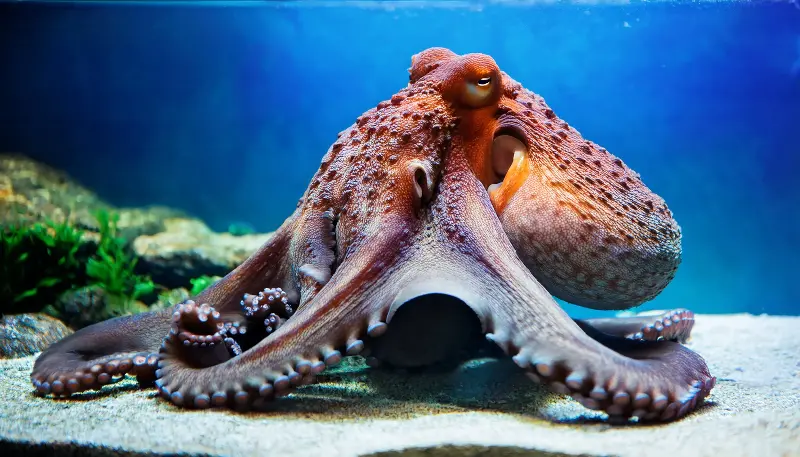
Octopuses take the phrase “blending in” to entirely new depths. What sets them apart from other camouflage experts in nature is the sheer versatility of their adaptations. Their skin contains specialized cells called chromatophores, which can rapidly expand or contract to display an incredible range of colors and patterns. Supplementing these are iridophores and leucophores that reflect and scatter light, helping octopuses shimmer like sunlit water or disappear into the sandy ocean floor.
Some species, like the mimic octopus, elevate imitation to an art form. It can contort its body and arms to resemble lionfish, sea snakes, or even flatfish, tricking predators and unsuspecting prey alike. In an instant, an octopus can transform from a spiny sea urchin lookalike to a sleek, featureless stone, confusing both competitors and onlookers.
Incredible Problem-Solvers
Don’t let their squishy bodies fool you—octopuses are recognized as one of the most intelligent invertebrates. Their brains, though distributed throughout their bodies (with two-thirds of neurons in their arms), enable behaviors that rival those of many mammals.
Scientists have observed octopuses unscrewing jar lids from the inside—without ever being taught. Others engage in intricate play, bouncing objects in water jets for fun. In laboratory settings, octopuses have navigated mazes, solved complex puzzles, and even learned by watching other octopuses perform tasks. Their spectacular memory makes them quick learners, allowing for experimentation and adaptation that’s rarely seen in the animal kingdom. These cognitive talents make them not only adept hunters but also stunning escape artists—capable of planning and executing grand breakouts from aquariums and research tanks.
Underwater Houdinis
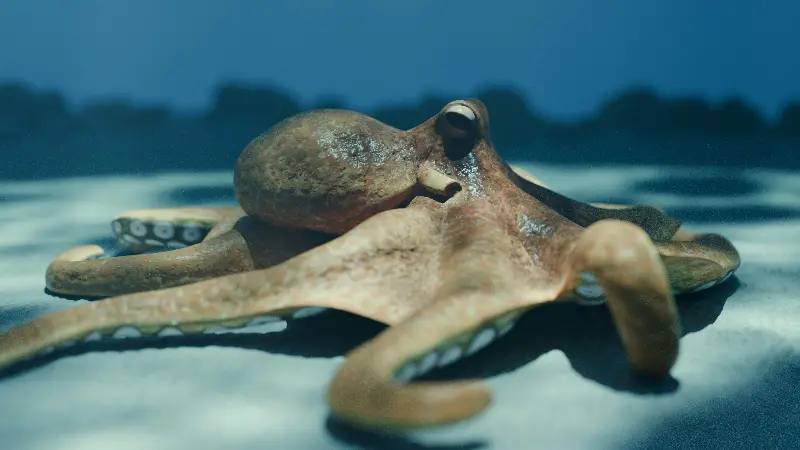
Ask any aquarist, and they’ll likely share a daring escape story starring an octopus. Unlike most animals, octopuses lack bones or a rigid skeleton, meaning they can squeeze their entire body through any gap larger than their beak—the only hard part of their body. This super-flexibility, combined with powerful suction-cup equipped arms, makes them adept at squeezing through pipes, cracks, and even tightly screwed lids.
One famous tale recounts an octopus named Inky, who slipped out of his enclosure at New Zealand’s National Aquarium, slid across the floor, and vanished into a drainpipe leading to the ocean. Security cameras revealed the entire escape, turning Inky into an icon of cephalopod smarts. Such escapades aren’t rare; octopuses regularly climb out of their tanks, open valves, or tip over containers in pursuit of food or freedom.
Unorthodox Communication
Though octopuses are largely solitary, they have developed unconventional ways to communicate. Beyond their skin’s expressive color changes, some species arrange rocks and shells outside their dens, possibly as territorial markers or warning signs for would-be intruders. In rare confrontations, octopuses have been seen throwing shells or silt at rivals—a striking sign of cunning problem-solving and intent.
Recent research suggests octopuses might experience something akin to emotion or mood, shifting between colors and postures to reflect aggression, excitement, or curiosity. Combined with their ability to observe and imitate, these traits challenge long-held beliefs about the emotional lives of animals without backbones.
Anatomical Wonders
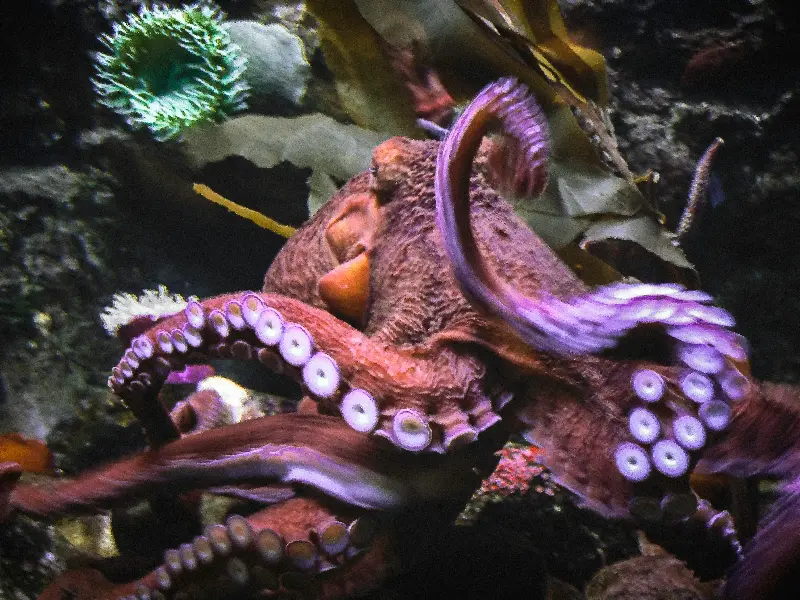
The octopus’s body is a triumph of evolutionary engineering. Each of its eight arms can operate independently, equipped with hundreds of sensitive suckers that taste and feel their environment. Arms can twist, coil, and reach with precision, picking locks or prying open shells to reveal hidden snacks.
Breathing through gills and powered by a soft mantle that can pulse like a water balloon, octopuses can rocket backward in quick bursts to evade threats. Some, like the blue-ringed octopus, possess deadly venom as a last-ditch line of defense, while others eject clouds of ink to disorient attackers and vanish.
Octopuses And Humans: A Growing Fascination
As our understanding of octopus intelligence and behavior grows, these mollusks have earned newfound respect and legal protections in various countries. Marine scientists continue to study their nervous systems in hopes of unlocking the secrets behind their advanced cognition and adaptability.
At the same time, cultural fascination with octopuses is blossoming. Documentaries such as “My Octopus Teacher” have brought their remarkable lives into the global spotlight, while advances in underwater robotics often take inspiration from their flexible, decentralized design.
Whether they’re hiding in plain sight on the ocean floor or plotting their next lab escape, octopuses continue to captivate and surprise us. Their combination of brains, beauty, and slipperiness is truly unmatched in the marine world—making them not just masters of escape, but also ambassadors for the wonders and mysteries that still lie beneath the sea.