



Technology is often blamed for pollution, waste, and rising energy use. Yet it can also be one of the strongest tools for protecting the natural systems that keep people healthy.
From solar panels that mimic leaves to smart sensors that prevent water loss, green technology is helping communities conserve resources while maintaining modern comfort.
The most inspiring solutions learn directly from nature. Forests, wetlands, and oceans have spent millions of years perfecting ways to:
- Capture energy cleanly and efficiently
- Recycle materials without leaving toxic waste
- Cool surfaces using natural airflow
- Adapt dynamically to changing environments
Solar Power Inspired by Plants
Plants are natural experts at gathering sunlight. Through photosynthesis, they convert solar energy into chemical energy without producing harmful emissions. While solar panels operate differently than leaves, researchers actively use plant structures to revolutionize renewable energy design.
Key innovations reshaping solar power include:
- Solar Trackers: These systems automatically follow the sun throughout the day, much like sunflowers, generating significantly more electricity than fixed panels.
- Wavelength Expansion: Advanced solar materials now absorb light wavelengths that traditional silicon panels miss.
- Agrivoltaics: Installing solar panels directly above farmland creates partial shade that reduces soil water evaporation and protects delicate crops like lettuce, tomatoes, and peppers from extreme heat, while providing farmers with dual revenue streams.

Buildings That Work With the Climate
Buildings account for a massive share of global energy demand. Green architecture reduces this demand by working with local weather rather than fighting it.
Passive House Principles
Passive house design relies on heavy insulation, airtight construction, and heat recovery ventilation. These systems capture warmth from outgoing air and transfer it to fresh incoming air, maintaining comfortable interiors with minimal energy.
Termite-Inspired Ventilation
Termite mounds in warm climates maintain stable internal temperatures through networks of natural tunnels. Architects adapt these biological blueprints using ventilation shafts, shaded openings, and thermal mass to lower cooling needs organically.
The Power of Green Roofs
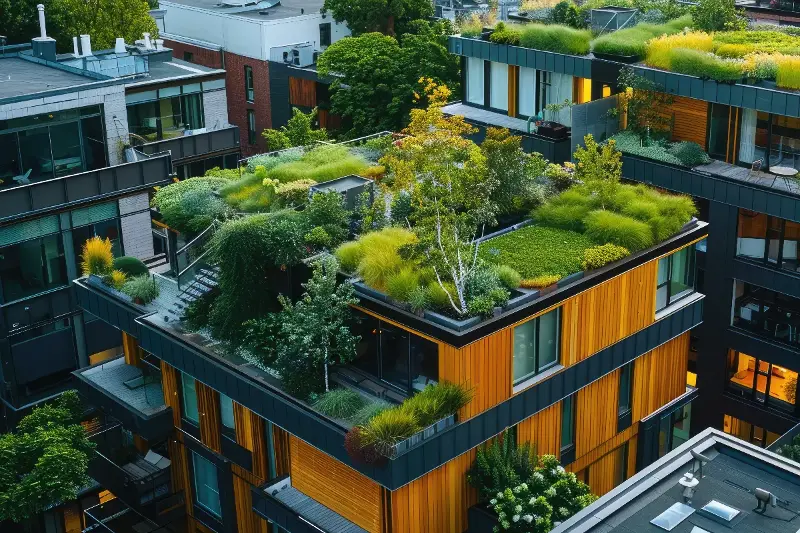
Roofscapes covered with plants, soil, and drainage layers deliver immediate benefits:
- Absorb rainwater to mitigate local flooding
- Lower surface temperatures significantly
- Restore biodiversity by creating urban habitats for birds and pollinators
- Combat heat islands in dense urban centers
Smarter Water Systems for Cities and Farms
Digital technology makes water management dramatically more precise, tackling global waste across urban centers and agriculture.
- Smart Utility Meters: Instantly alert households and cities to unusual flow patterns, pinpointing leaks before they cause structural damage.
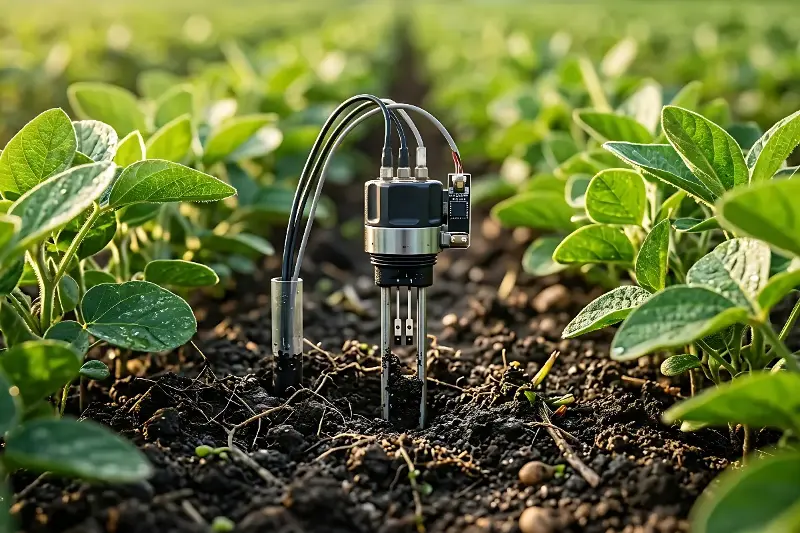
- Soil Moisture Sensors: Measure root-zone conditions so farmers irrigate only when necessary, saving millions of gallons of water and preventing fertilizer runoff.
- Sponge City Infrastructure: Permeable pavements, rain gardens, and restored wetlands allow rainwater to soak naturally into the ground rather than overloading storm sewers.
Wetlands are especially vital natural filters. They process pollutants, store carbon, and reduce flood risks. Conservation teams now monitor wetland health across vast territories using satellite imagery and environmental drones.
Cleaner Materials and Circular Design
A healthy planet requires products that never end up in a landfill. Circular design ensures every item can be reused, repaired, or composted.
Emerging Biomaterials
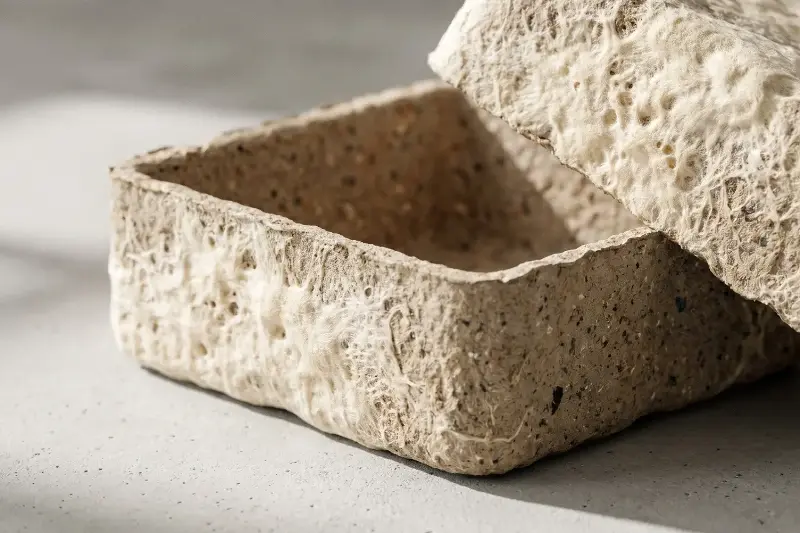
- Mycelium: The root-like structure of fungi grows into sturdy packaging and insulation that biodegrades naturally.
- Agricultural Fabrics: Eco-innovators craft sustainable textiles using discarded pineapple leaves, banana fibers, and citrus peels.
Intelligent Recycling and Repair
Optical sorting machines powered by artificial intelligence instantly categorize materials on fast-moving conveyor belts, yielding much cleaner recycled feeds. Meanwhile, 3D printing and open-source repair guides empower everyday consumers to replace broken components, extending the life of electronics and home goods for years.
Restoring Ecosystems With Data
Digital tools empower scientists to protect ecosystems at an unprecedented scale:
- Satellite Networks: Detect deforestation, monitor crop health, and track changing coastlines in real time.
- Acoustic Forest Sensors: Record wildlife sounds to provide early warnings against illegal clearing.
- Artificial Intelligence: Processes thousands of camera-trap photos in seconds, allowing conservationists to make faster field decisions.
When clean energy, efficient design, restored ecosystems, and thoughtful consumption work together, technology becomes less of a burden on nature and more of a vital partner in protecting it.