



Shopping sustainably can sometimes feel like a challenge reserved for the eco-elite, complete with organic markets and designer green goods. Yet, the truth is far from this misconception. You don’t need to splash out on expensive “eco” labels to live more sustainably.
In fact, some of the most effective ways to help the planet are also friendly to your wallet. Embracing an eco-friendly lifestyle is about shifting habits rather than increasing expenses, bringing benefits to both the environment and your personal finances.
WHY BUDGET-FRIENDLY SUSTAINABILITY MATTERS
Many assume that "sustainable" automatically means "more expensive". However, real-world sustainability is often about consuming less and wasting less. The choices you make while shopping have a massive impact on greenhouse gas emissions, water waste, and plastic pollution.
Consider these facts:
- Preventable Waste: The average person throws away 37 kilograms of food every year. Simple meal planning can eliminate this waste and save hundreds of dollars annually.
- Habit over Price Tags: Shifting priorities—like choosing tap water over bottled or repairing an item instead of replacing it—costs nothing but significantly reduces your carbon footprint.
PRIORITIZE QUALITY OVER QUANTITY
It might sound counterintuitive, but buying less is one of the greenest choices you can make. Fast fashion is a major offender, producing 10% of global carbon emissions—more than international flights and maritime shipping combined.
Before tapping your card, ask yourself these three questions:
- Do I truly need this item?
- Could I repair or repurpose something I already own?
- Can I borrow it from a friend or find it secondhand?
Investing in a few well-made basics rather than several low-quality items pays off in the long run. Durable goods stay out of landfills and keep money in your pocket over time.

THRIFT, SWAP, AND BUY SECONDHAND
One of the simplest ways to shop sustainably without breaking the bank is to embrace the pre-owned market. Thrift shops, consignment stores, and online marketplaces are treasure troves for the eco-minded shopper.
- Environmental Payoff: Research shows that buying a pre-owned item instead of a new one can reduce its carbon footprint by up to 82%.
- Value for Money: You can often find high-end electronics, designer clothing, and sturdy furniture at a fraction of their original retail price.
SUPPORT LOCAL AND IN-SEASON PRODUCE
Transporting goods across the globe requires vast amounts of energy. When possible, choose locally sourced products. Farmers’ markets and local stalls offer seasonal fruits and vegetables that are fresher and far less resource-intensive than imported equivalents.
- The Seasonal Advantage: Fruits and veggies that are in season not only taste better but are frequently on sale due to the high supply.
- Reduced Packaging: Local produce often bypasses the heavy plastic wrapping required for long-distance shipping.

OPT FOR MINIMAL PACKAGING
Packaging accounts for roughly one-third of all household waste. You can reduce your impact by choosing products with minimal, recyclable, or compostable materials.
- Buy in Bulk: Purchasing dry goods like rice, beans, or oats in bulk is almost always cheaper per gram and eliminates the need for individual plastic servings.
- BYO Containers: Bringing your own reusable bags and produce sacks is a simple win. Some coffee shops and grocers even offer small discounts for customers who bring their own containers.
DIY AND UPCYCLING AT HOME
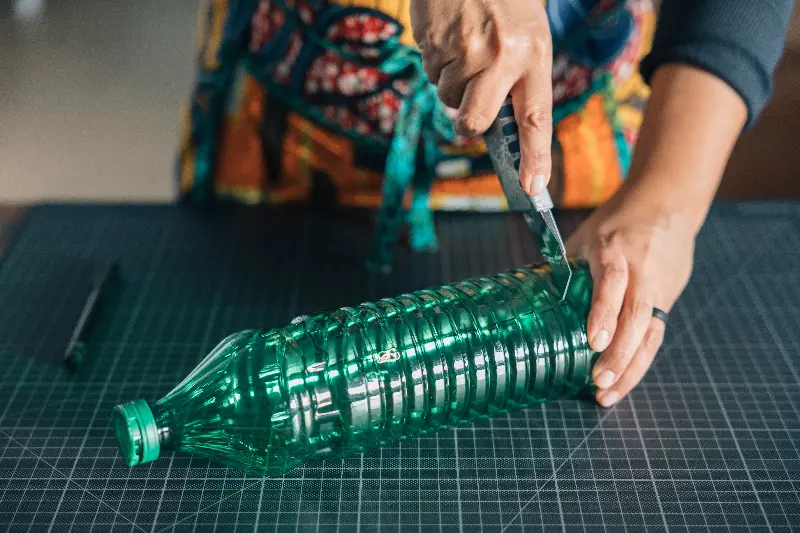
Turning small projects into sustainable wins doesn’t require expert skills. Upcycling, or repurposing old items, keeps waste out of landfills and saves you from buying new household goods.
- Creative Reuse: Turn an old t-shirt into a tote bag or use glass sauce jars for stylish pantry storage.
- Homemade Cleaners: A simple mix of vinegar, water, and baking soda works wonders on most surfaces. It is non-toxic, eco-friendly, and costs just pennies compared to branded chemical cleaners.
READ UP AND RETHINK YOUR BRANDS
When you do need something new, look for transparency. Don’t let "greenwashed" marketing sway you; instead, look for recognized certifications:
- Fair Trade (Ethical labor)
- GOTS (Global Organic Textile Standard)
- B-Corp (High social and environmental performance)
Many eco-conscious companies also offer take-back or refill programs, rewarding your loyalty with discounts while ensuring their products are recycled properly.
SMALL STEPS, BIG IMPACT
Embracing a sustainable lifestyle on a budget is a journey of progress, not perfection. Small shifts quickly add up to significant changes. Carrying your own bag, planning your meals, and picking up pre-loved items are habits that safeguard the planet while stretching your dollar further.
Buying better and wasting less doesn't just help the Earth—it makes life a little simpler and a lot richer.