


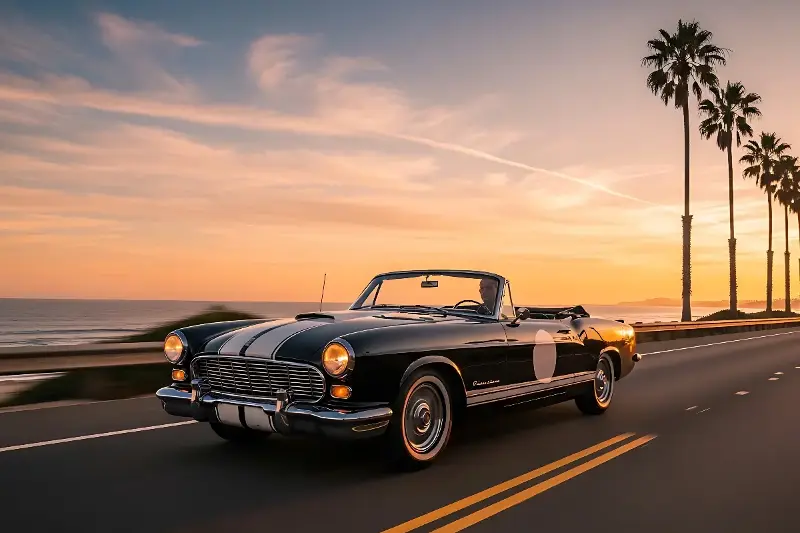
Few vehicles transform an ordinary journey into a memorable occasion as effortlessly as a convertible. With the roof lowered, drivers and passengers experience the open road through crisp air, changing temperatures, rich engine sounds, and uninterrupted panoramic views. A convertible is not simply a car without a fixed roof; it is a intentional design choice that blends precision engineering, lifestyle, and pure emotion, offering a unique sense of freedom that enclosed cars rarely match.
The appeal of open-top motoring has endured for over a century, outlasting shifting automotive trends:
-
The Pioneer Era: Early automobiles were naturally open because enclosed cabins were costly and complex to build.
-
Cultural Icons: By the mid-twentieth century, models like the Ford Thunderbird, Alfa Romeo Spider, and Chevrolet Corvette redefined open-air cruising.
-
Hollywood Romance: Classic cinema solidified their mystique, using lowered roofs to signal youthfulness, elegance, and adventure.
How Modern Roofs Work
Today's convertible roofs are far more sophisticated than the simple fabric tops of early automobiles. Soft tops remain exceptionally popular because they are lightweight, space-efficient, and classic:
-
Multi-Layer Insulation: Modern fabric tops use specialized padding and acoustic materials to reduce wind and road noise.
-
Weather Resistance: High-quality textiles effectively resist heavy rain, ultraviolet radiation, and color fading.
-
Retractable Hardtops: Engineered with metal or composite panels, these offer coupe-like security when raised, though they add overall weight.
-
Rapid Deployment: Many advanced electric mechanisms can raise or lower the roof in roughly 15 to 20 seconds, even while driving at low speeds.
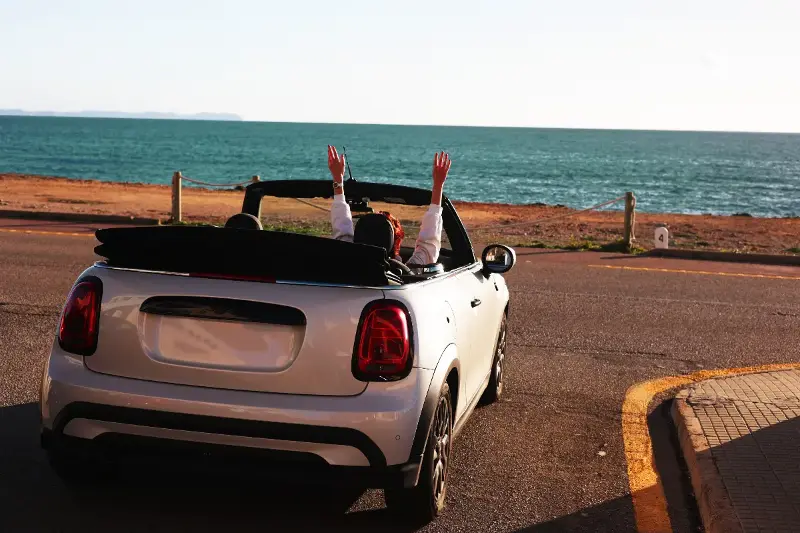
Engineering Beneath the Glamour
Removing a car's fixed roof changes its structural integrity dramatically. Because a traditional roof serves as a core structural element, convertible platforms require heavy reinforcement across the sills, floors, windscreen frames, and bulkheads to prevent vibrations known as scuttle shake:
-
Lightweight Materials: Engineers utilize high-strength steel, aluminum, and carbon fiber to offset weight penalties.
-
Active Rollover Protection: Modern convertibles feature deployable safety bars that rise automatically if sensors detect a severe tilt.
-
Enhanced Airbags: Specially designed head- and side-protecting airbags ensure occupant safety remains uncompromised.
The Joy of Open-Air Driving
A convertible turns familiar routes into sensory journeys. Drivers notice the subtle scent of coastal air or forest pine, hear environmental sounds at lower speeds, and feel deeply connected to their surroundings.
Comfort features make top-down driving practical across seasons:
-
Cabin Wind Deflectors: Drastically reduce air turbulence inside the interior.
-
Climate Technology: Heated seats, heated steering wheels, and neck-level warm air vents extend top-down motoring into crisp autumn months.
-
Adaptive HVAC: Smart climate controls adjust automatically depending on whether the roof is open or closed.

A Changing Future for Convertibles
While convertibles represent a specialized segment, the open-top market remains remarkably vibrant. Lightweight roadsters like the Mazda MX-5 demonstrate that affordable sports cars still hold immense appeal, while high-performance luxury models like the Porsche 718 Boxster and BMW 4 Series Convertible combine speed with long-distance comfort.
Electric powertrains are also shaping the next generation. Quiet, instant acceleration complements relaxed open-air cruising, and as manufacturers engineer lighter battery platforms, new electric convertibles will emerge. A convertible may offer less luggage space, but for those who value the journey itself, lowering the roof turns every drive into an event worth taking the long way home for.