



Color is more than just a feast for the eyes—it is a silent language that can shift your mood, energize your mind, and actively influence the way you interact with the world. Whether it’s the calming shade of a blue sky or the cheerful pop of a yellow flower, the colors in your environment play a far bigger role in your emotional well-being than you might realize.
In the realms of wellness and mental health, tapping into the science behind colors is one of the brightest ways to lift your spirits and foster a healthier mind.
The Science of Color and Emotions
Our brains process colors through the visual cortex, immediately sending signals that impact how we feel before we even register what we are seeing. Numerous studies carried out in psychology, neuroscience, and design have found that colors can evoke specific emotions and even alter our biology:
- Alertness and energy: Exposure to vibrant red tones has been shown to increase heart rate and raise alertness.
- Tranquility and peace: Cool blue tones naturally work to slow the heart rate and promote deep relaxation.
- Anxiety reduction: Recent research found that individuals placed in rooms painted soft green or blue reported significantly lower levels of anxiety compared to those in stark white environments.
Part of this response is evolutionary, as natural shades traditionally guided our instincts toward safety, comfort, and nourishment. Today, color affects everything from how quickly you recharge to how productive you remain at work.
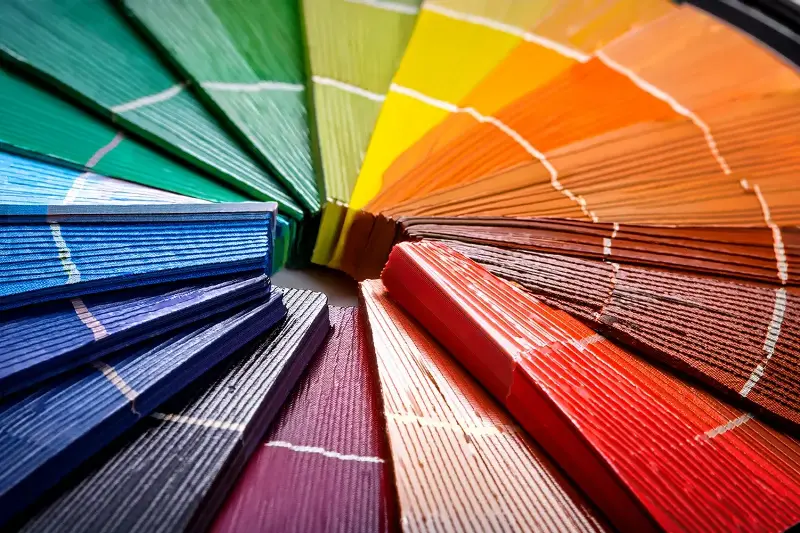
Bright Days and Cool Nights: Color’s Impact on Mood
Different colors interact with your brain and body in completely unique ways. Here is what science says about the psychological footprint of some of the most commonly seen hues:
- Blue: The color of the sea and sky is intimately linked to a sense of calm and stability. According to studies in color therapy, blue spaces lower blood pressure and foster tranquility.
- Green: Famously associated with nature and renewal, green sparks deep feelings of rest and reassurance, making it a perfect choice for bedrooms or home offices.
- Red: As the most stimulating color, red increases energy and motivation. In workspaces, a small pop of red can spark creativity, but it is best used in moderation.
- Yellow: The color of sunshine triggers the release of serotonin, the body's natural feel-good chemical, boosting happiness and optimism.
- Orange: Warm, welcoming, and highly sociable, orange encourages feelings of comfort, connection, and lively conversation in communal spaces.
- Purple: Combining the energy of red with the calm of blue, light purples like lavender work beautifully for relaxation, whereas deeper shades stimulate the imagination.

Color in Daily Life: Practical Ways to Brighten Your Mood
Understanding the link between color and emotional well-being opens the door to simple, high-impact changes in your daily life. You do not need an entire home makeover to enjoy these mental health benefits.
Consider these science-backed ideas:
- Start with a vibrant morning: Whether it’s a colorful mug for your morning beverage or a bright shirt, infusing color into your morning routine lifts your spirits instantly.
- Surround your workspace with soothing tones: Consider painting your workspace or adding accents in calming greens or soft blues to lower stress and enhance focus.
- Bring in nature’s palette: Add indoor houseplants, fresh flowers, or landscape art. Natural greens are especially effective for promoting relaxation and rejuvenation.
- Utilize a color rescue kit: Keep a collection of colorful stationery, artwork, or textiles nearby so you have easy access to mood-boosting hues on low days.
Breaking the Myths: Cultural and Personal Nuances
While scientific research has laid a brilliant foundation for color’s influence on the mind, cultural backgrounds and personal experiences heavily shape our perceptions. For instance, white represents purity and new beginnings in Western cultures, yet it holds different traditional meanings in parts of Asia.
Your own memories matter just as much as the science. A specific shade might remind you of a joyful childhood celebration, while to someone else, it carries entirely different associations. Personalizing your environment based on what genuinely makes you feel good is the ultimate goal.

Colors are highly effective tools in the wellness toolkit, especially when paired with other healthy habits like regular exercise, quality sleep, and positive social connections. As you brighten your world with mindful choices, you will discover a beautiful new layer of emotional strength and everyday joy.