


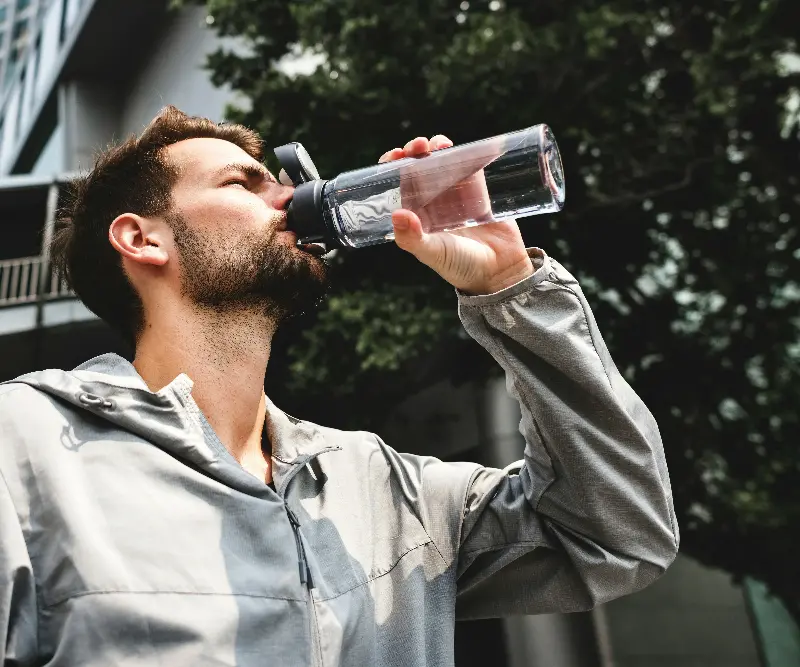
For years, the belief that we should all drink two liters (about eight cups) of water a day has been one of the most persistent pieces of wellness advice. Friends encourage each other to lug massive bottles everywhere, and gym-goers pride themselves on hitting their "hydration goals".
But is gulping down two liters daily truly a health elixir, or could it be overkill—or even risky—for your kidneys and overall health? Let’s uncover the science behind this popular hydration mantra.
THE ORIGIN OF THE TWO-LITER RULE
Surprisingly, the “eight glasses a day” advice doesn’t come from hard scientific evidence. The earliest mention traces back to a recommendation from the US Food and Nutrition Board in 1945. They suggested that a person needs about 2.5 liters of water daily, but—here’s the twist—they included fluids from all sources, like food, not just drinking water.
Over the decades, this guidance became simplified and stripped of its nuance, eventually morphing into today’s rigid “two liters of plain water” directive.
HOW MUCH WATER DO WE REALLY NEED?
The truth is, water requirements are as unique as fingerprints. Factors like age, activity level, climate, and body size all influence individual needs.
- Active vs. Sedentary: While sweating during exercise or hot weather increases your demand, a person in a cool environment might need significantly less.
- The Food Factor: Around 20% of our daily water comes from food—think juicy fruits, vegetables, and even cooked grains.
- Total Intake: The National Academies of Sciences, Engineering, and Medicine recommends about 3.7 liters for men and 2.7 liters for women, but this includes coffee, tea, and moisture in food.
Listening to your body usually works better than sticking to a prescribed number. Thirst is a reliable signal for most healthy adults and is your body’s sophisticated way of letting you know you need a drink.
THE HEALTH IMPACTS OF PROPER HYDRATION
Proper hydration undeniably supports bodily functions. Water cushions joints, regulates temperature, aids digestion, and powers brain cells.
- Cognitive Function: Studies suggest even mild dehydration can affect mood, energy, and concentration.
- Kidney Health: The kidneys rely on water to filter waste and get rid of toxins. Adequate intake helps prevent kidney stones and urinary tract infections.
- Metabolic Support: While water supports metabolism, no evidence suggests it "melts away" pounds without diet and exercise.
WHEN HYDRATION GOES TOO FAR: THE RISKS
While dehydration is a genuine risk, overhydration—sometimes called water intoxication or hyponatremia—is less common but potentially dangerous.
Drinking much more water than your body needs can upset the delicate balance of sodium in your blood. When sodium levels drop dangerously low, cells can swell, leading to:
- Nausea and headaches
- Confusion or lethargy
- In severe cases, seizures or coma
Endurance athletes are particularly at risk, as they may drink excessive amounts in an attempt to avoid dehydration, sometimes overwhelming the kidneys' ability to filter fluid efficiently.

BUSTING THE HYDRATION MYTHS
It is time to clear up common misconceptions that keep people chained to their water bottles:
- The Beauty Myth: Chugging water all day does not keep skin wrinkle-free. Skin health is determined more by genetics, sun exposure, and skincare.
- The Caffeine Myth: Coffee and tea do count towards your daily intake. The diuretic effects are minimal and do not cancel out the fluid you are consuming.
- The Measurement Myth: You do not need to hit exactly 2,000ml to be healthy. Your body is not a machine with a fixed fuel tank.
PRACTICAL TIPS FOR SMART HYDRATION
The ideal approach is simple: drink when you feel thirsty. You can also use your urine as a handy guide:
- Pale Yellow: Generally means you’re well-hydrated.
- Dark Yellow: A signal it’s time for a drink.
- Completely Clear: You might actually be drinking more than necessary.
Try including hydrating foods in your diet—think watermelon, cucumber, oranges, and soups. Carrying a reusable bottle is great for convenience, but you should sip throughout the day rather than forcing yourself to hit a specific volume.
