


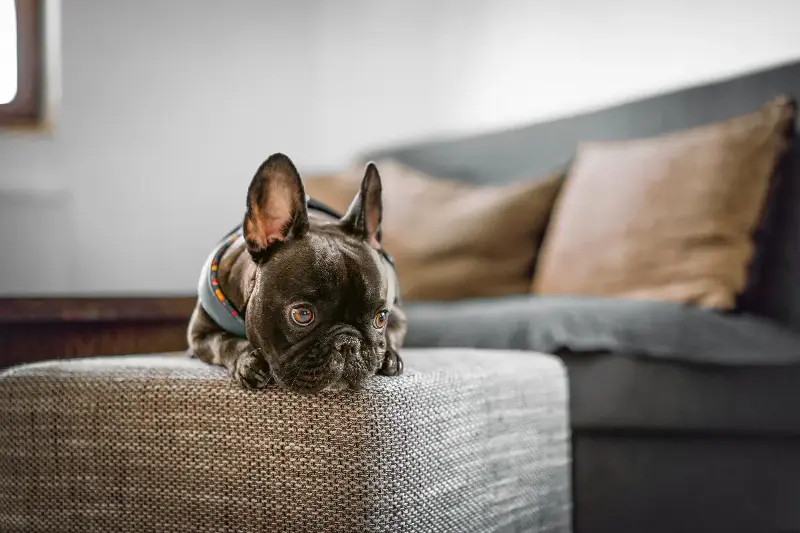
Leaving a beloved pet alone can be difficult for both sides of the door. While some animals settle down for a restful nap within minutes, others become distressed, vocal, or unusually withdrawn.
Separation anxiety is more than simple boredom or misbehavior. It is a genuine fear response that makes departures feel overwhelming for your companion. While dogs are most commonly affected, cats experience it too. Changes like moving home, schedule shifts, or losing another pet can trigger anxious feelings. The good news is that patient routines, gradual training, and loving support can help your pet feel safe when you are away.
Recognizing the Subtle Signs of Distress
A pet experiencing anxiety often shows subtle signs before you even step outside. Dogs and cats learn departure cues quickly and may express worry in distinct ways:
- Pre-departure anxiety: Pacing, whining, panting, trembling, or following you obsessively from room to room as you pick up keys or shoes.
- Vocalizations and destruction: Barking, howling, or excessive meowing after the door closes, as well as scratching doors or chewing window frames.
- Changes in habit: Accidents indoors, overgrooming, hiding, or refusing to eat meals while alone.
A small home camera can be wonderfully helpful. It reveals whether your pet settles quickly or stays anxious, providing valuable information for your veterinarian or trainer.
Creating a Calm and Predictable Departure Routine
Dramatically emotional goodbyes can accidentally signal to your pet that something unusual is happening. Strive instead for quiet, ordinary departures:
- Keep departures low-key: Put on your coat, pick up your keys, and leave calmly without prolonged fuss or affection.
- Desensitize departure cues: Pick up your keys or put on your shoes several times a day, then simply sit down or make tea instead of leaving. This teaches your pet that these signals do not always mean separation.
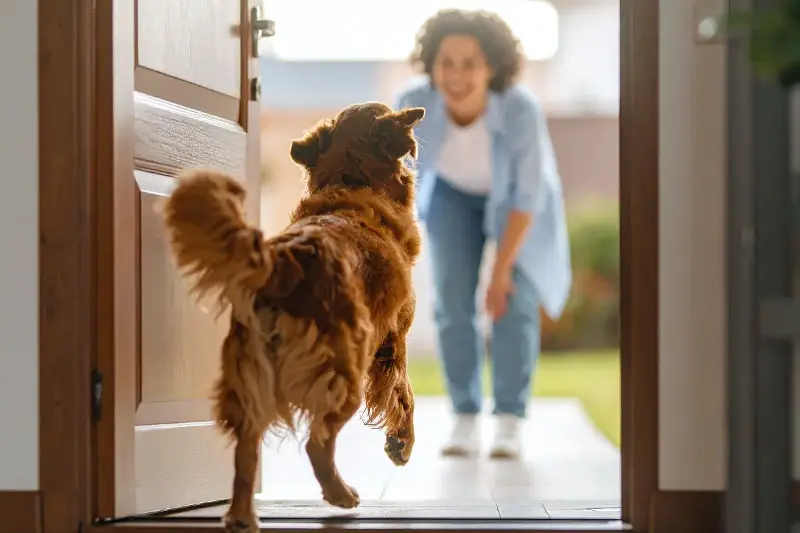
- Relax your returns: Keep greetings gentle for the first minute or two upon returning. Once your pet is relaxed, offer warm affection, outdoor breaks, or playtime.
Building Confidence in Small, Consistent Steps
Effective confidence-building involves very short absences that do not trigger panic. Consistency matters far more than speed:
- Start inside the home: Walk into another room for a few seconds, then return before your pet becomes distressed.
- Gradually extend the time: Step outside the front door for 10 seconds, then 30 seconds, building up slowly over many days.
- Pace according to your pet: If your pet becomes upset, shorten the next practice session. Celebrate tiny, calm successes as major progress.
Making Alone Time More Rewarding
A comfortable, engaging environment gives your pet something positive to focus on while you are away:
- Provide soothing activities: Offer a stuffed food toy, a frozen lick mat, or a puzzle feeder that appears only during alone time. Licking and chewing naturally calm the nervous system.
- Engage the senses: Leave a low-volume radio or soft music playing to mask outside noises, and close curtains to reduce visual triggers.
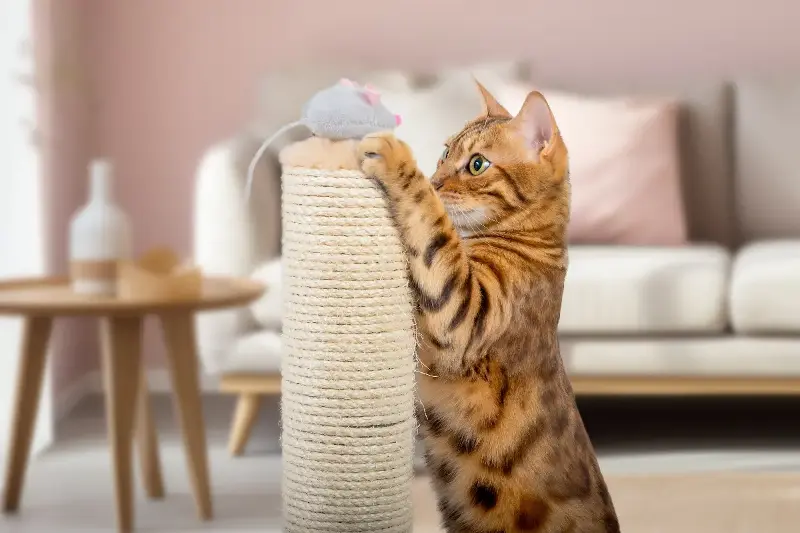
- Provide comfort for cats: Ensure feline companions have access to vertical perches near secure windows, cozy hiding boxes, and familiar bedding.
Knowing When to Seek Professional Guidance
Contact your veterinarian if your pet’s anxiety is severe, sudden, or leads to self-injury, escape attempts, or appetite changes. A medical evaluation ensures that underlying health issues are not contributing to the behavior.
Your veterinarian may recommend a qualified animal behaviorist, calming aids, or short-term medication alongside training. Medication is not a shortcut—it helps lower panic so learning and confidence-building become possible. With patience, gentle consistency, and time, your pet can learn that being alone is safe and that you will always return.