


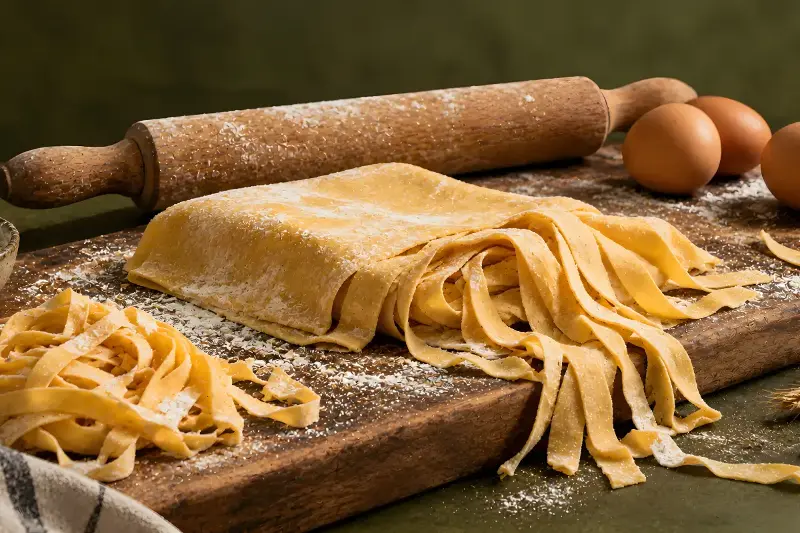
Fresh pasta has a reputation for being complex, but its core ingredients are wonderfully simple: flour, eggs, salt, and water. The magic lies entirely in technique. In traditional Italian kitchens, pasta is never treated as a secondary side dish—it is the heart of the meal, crafted with care and paired with sauces that support rather than overpower it.
Making pasta from scratch brings a satisfying rhythm to home cooking. A rough, shaggy ball transforms into a smooth, elastic dough beneath your hands, ready to be rolled into silky ribbons, pockets, or rustic shapes.
Choose the Right Flour
Flour determines the final texture of your pasta. Matching the grain to the style of pasta creates the ideal bite:
-
Plain All-Purpose Flour: A reliable option for everyday home cooks, perfect for shaping tagliatelle, ravioli, and lasagna sheets.
-
Italian "00" Flour: Superbly fine-milled wheat flour that absorbs liquid easily, producing a exceptionally smooth, delicate dough with a silky mouthfeel.
-
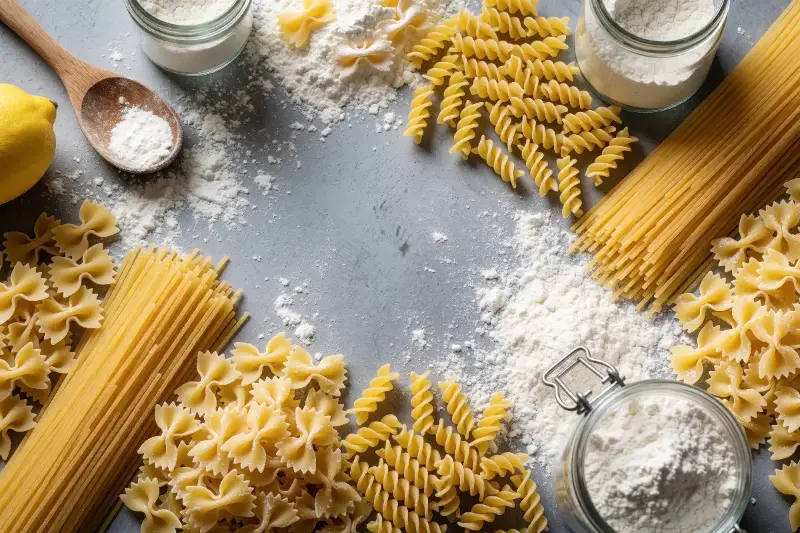
Semolina Flour: Milled from durum wheat, this golden, coarse flour gives southern Italian shapes like orecchiette and cavatelli a firm, chewy structure that holds its form.
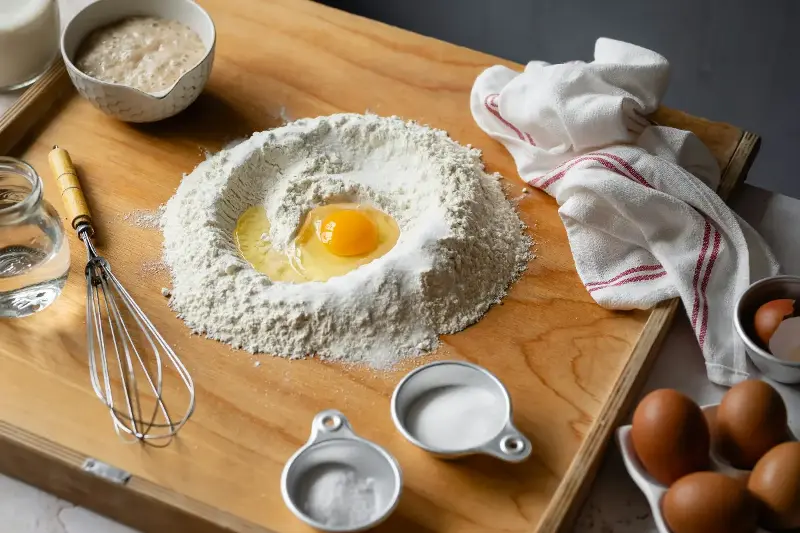
For a classic egg pasta, follow the golden ratio: 100 grams of flour for each large egg (typically one generous main portion or two starter servings). Form a well in the flour, crack in the eggs, and gently incorporate them with a fork.
Knead Until the Dough Changes
Proper kneading develops the gluten network, creating strength and elasticity:
-
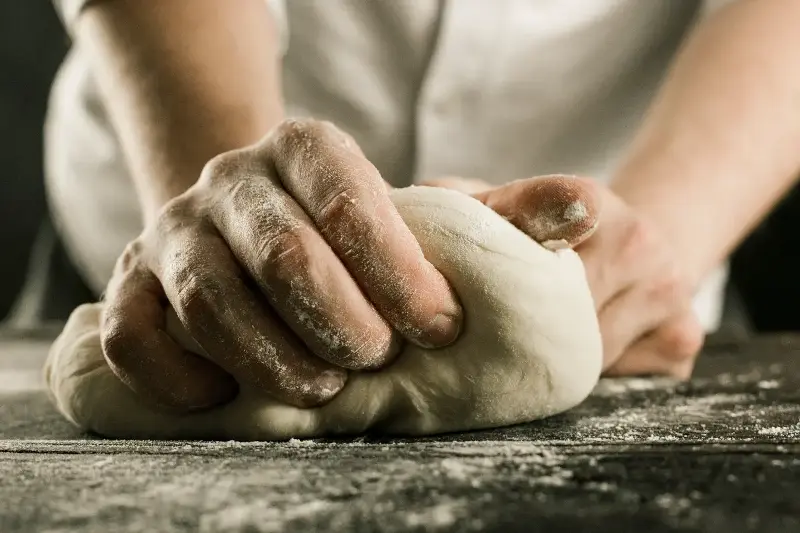
Knead with Purpose: Work the dough for 8 to 12 minutes using the heel of your hand, folding and turning it continuously.
-
Adjust Textures Carefully: If the dough feels too dry, lightly moisten your hands; if it sticks, add a tiny dusting of flour. Over-flouring makes the pasta tough.
-
Never Skip the Rest: Wrap the dough and let it rest at room temperature for at least 30 minutes. Relaxing the gluten ensures the dough won't spring back when rolled.
Roll Thin, But Not Too Thin
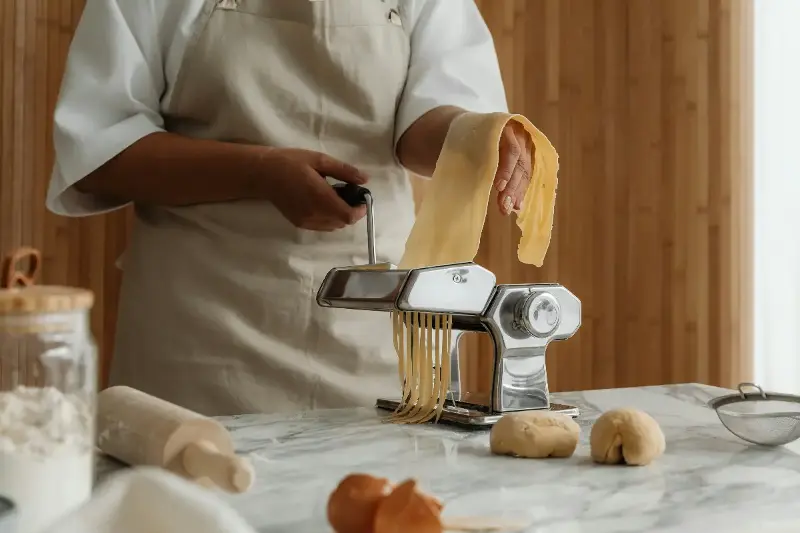
Whether using an Italian pasta machine or a traditional wooden rolling pin, work in small, manageable portions:
-
Laminated Strength: Pass dough through the widest setting several times, folding it into thirds to build strength and smooth the texture.
-
Calibrated Thickness: Roll sheets thin enough to see a faint shadow of your hand behind them for filled pasta like ravioli. Keep noodles like pappardelle slightly thicker for a satisfying chew.
-
Minimal Flour: Use dusting flour sparingly while rolling so the sauce can cling effortlessly to the surface later.
Match Shapes with Sauces
An authentic Italian tradition is pairing specific pasta shapes with complementary sauce styles:
-
Wide Ribbons (Pappardelle & Tagliatelle): Their broad surface area carries rich, slow-cooked mushroom, vegetable, or ragù sauces.
-
Delicate Strands (Angel Hair & Spaghetti): Best paired with light tomato, herb, lemon, or garlic-infused olive oil sauces.
-
Tubes & Cups (Rigatoni & Orecchiette): Ridges and hollow centers trap chunky roasted vegetables, peas, beans, and creamy sauces.
Fresh pasta cooks rapidly—thin noodles require only 1 to 3 minutes in boiling salted water. Taste a strand directly to check for an al dente bite.
Finish Pasta in the Sauce
The primary secret to restaurant-quality pasta is finishing the noodles directly inside the sauce pan:
-
Emulsify with Pasta Water: Transfer pasta directly to the sauce using tongs. The starchy cooking liquid binds olive oil, butter, and cheese into a silky, glossy coating.
-
Toss Over Gentle Heat: Swirl the pasta and sauce together for 30 to 60 seconds so the noodles absorb the underlying flavor.
-
Garnish Wisely: Grate Parmigiano-Reggiano for rich, nutty depth or Pecorino Romano for a sharper, savory finish.
Serve hot, embrace any charmingly rustic shape, and enjoy the simple pleasure of authentic home-cooked pasta.