


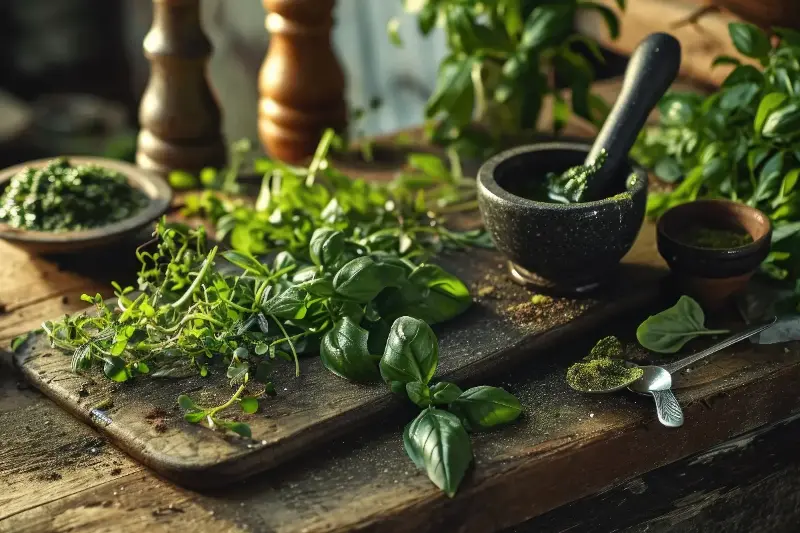
For many home cooks, a pinch of cinnamon in oatmeal or a dash of oregano on pizza is the extent of culinary adventure. However, if you look beyond the familiar supermarket spice rack, you will find a vibrant world of herbs that have defined traditional dishes for generations. These ingredients often serve as superior, more nuanced alternatives to the standard spices we reach for by default.
Unfamiliar, underappreciated, and surprisingly accessible, these alternative herbs can unlock entirely new levels of taste. Are you ready to discover the secrets hidden within global kitchens? Let’s travel the herbal world, one delicious leaf at a time.
ROOTS OF HERBAL USAGE IN COOKING
Herbs have consistently done far more than merely season our food throughout history. Ancient civilizations relied on them for both preservation and flavor:
- Ancient Egypt: Meats were wrapped in coriander and cumin to maintain freshness.
- Greco-Roman Era: Cuisines were elevated using bay leaves, mint, and thyme.
- Medieval Times: Cooks frequently utilized strong herbs to enhance the flavor profiles of their ingredients.
Today, we appreciate these plants not only for their culinary versatility but also for their historical significance and the unique stories they carry from different corners of the globe. Unlike many dried spices, fresh herbs often impart subtler, greener, and lighter notes, bringing essential depth and brightness to dishes without ever overwhelming the palate.
UNEXPECTED HERBAL SWAPS FROM AROUND THE WORLD
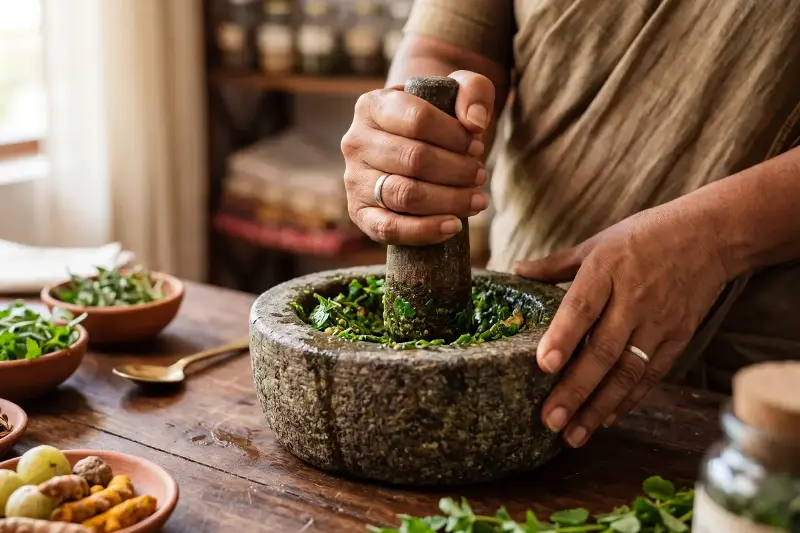
Every culture possesses herbal secrets—handed down through generations—that offer tantalizing alternatives to standard ingredients. Exploring regional cuisines reveals an array of plant-based surprises:
- South America: The lemony tang of huacatay, often called “black mint,” is the secret behind Peru’s famed green sauces. Its complex flavor profile—combining mint, basil, and citrus—makes it a perfect, vibrant alternative to coriander.
- The Middle East: Za’atar (Origanum syriacum) is a woodier, more aromatic powerhouse than generic oregano. It is best enjoyed sprinkled over warm bread drizzled with olive oil.
- Southeast Asia: Vietnamese rau ram (Vietnamese coriander) is beloved for its spicy, peppery bite. It brings a sophisticated complexity to salads and noodle dishes that standard coriander cannot replicate.
- The Indian Subcontinent: Fresh curry leaves often replace dried bay leaves or mustard seeds. They contribute a robust, nutty flavour to dals and stews that bottled powders simply cannot capture.
HEALING QUALITIES AND CULINARY DELIGHTS
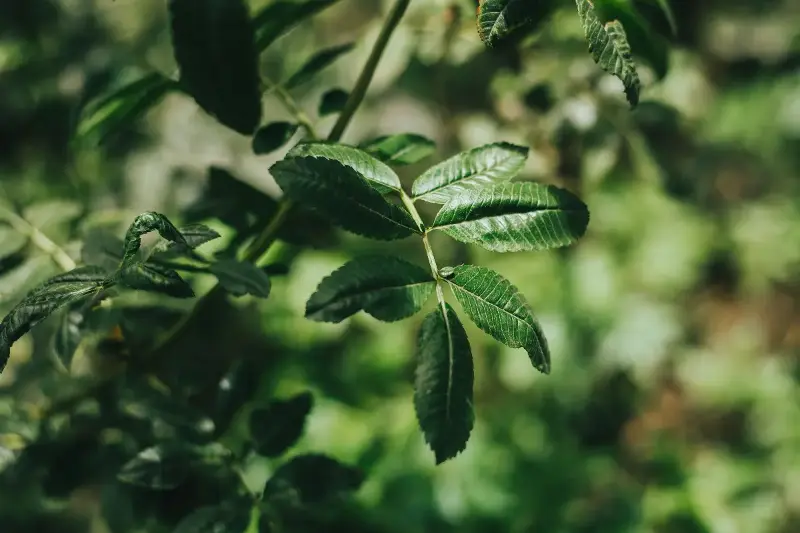
Beyond their ability to elevate a meal, many alternative herbs are packed with wellness benefits. Throughout history, these plants have been treated as both food and medicine:
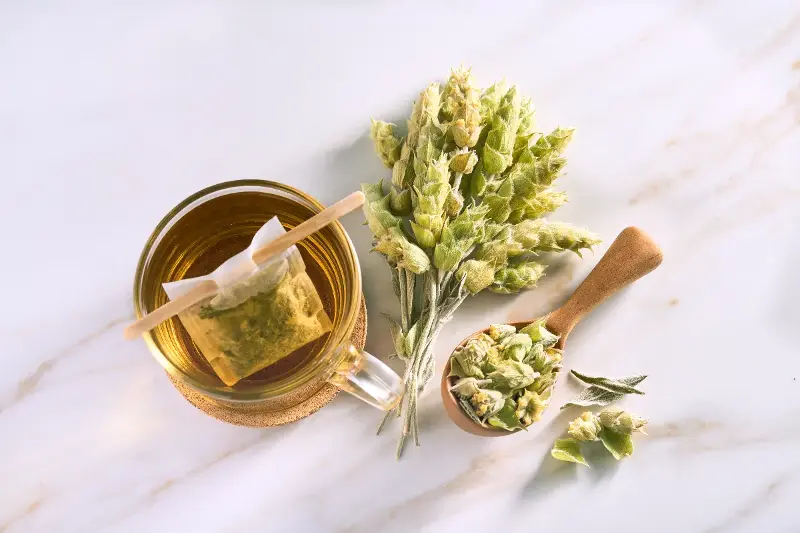
- Greek Mountain Tea: Often brewed similarly to chamomile, this herb is revered for its soothing effects and high antioxidant properties.
- North African Mint: Rich leaves of Moroccan mint are a staple for aiding digestion after heavy, flavorful meals.
- Scandinavian Nettle: Once considered a mere weed, it is now prized for its earthy, spinach-like notes and dense mineral content.
- Brazilian Jambu: Also known as the “toothache plant,” this herb gives Amazonian stews a lively zing. Because it creates a unique tingling sensation, it has been used traditionally to soothe minor dental discomfort.
HOW TO START EXPERIMENTING WITH ALTERNATIVE HERBS
If your curiosity is piqued, the good news is that many of these wonders are easier to source than you might think. Ethnic supermarkets, local farmer’s markets, and garden centers are excellent places to start.
Tips for your herbal journey:
- Start Small: Swap parsley for chervil in salads for a hint of licorice, or trade standard mint for lemon balm in fruit desserts.
- Grow Your Own: A simple windowsill box is all you need to cultivate fresh basil, chives, or shiso.
- Embrace Experimentation: Steep fresh lemon verbena in custard, or blend fresh tarragon into homemade mayonnaise for an instant French flair.
REDISCOVERING THE MAGIC IN YOUR KITCHEN
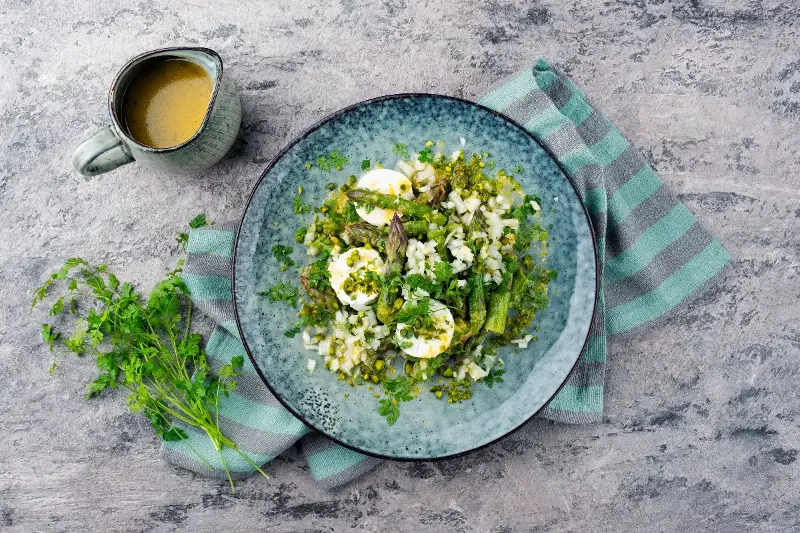
Embracing alternative herbs is a celebration of global culinary heritage. Each leaf tells a story of climate, tradition, and local taste. By incorporating these botanicals into your cooking, you expand more than just your palate; you build a connection across continents. The next time you reach for a predictable jar of spice, pause and consider: could a humble, fresh herb offer a more surprising and vibrant twist?