


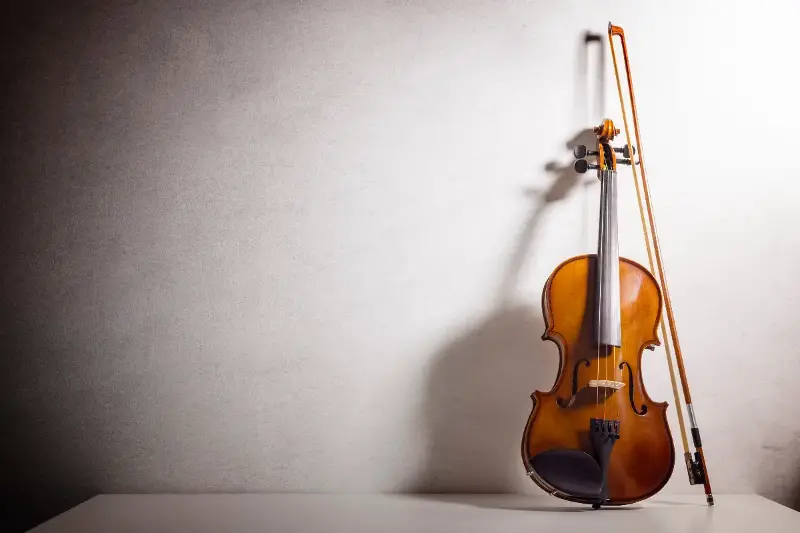
There is a powerful reason why the violin so often takes center stage in orchestras and on dimly lit stages worldwide. Across continents and centuries, this incredible string instrument has sung its way into the very core of both classical masterpieces and cutting-edge contemporary tracks.
Its beguiling sound, rich history, and unique ability to connect raw emotion to melody make it far more than just a collection of carved wood and strings. To millions of listeners and performers, the violin is the true heartbeat of music itself.
THE UNIVERSAL LANGUAGE OF EMOTION
The violin speaks a sophisticated language that every single culture understands. The instrument’s unparalleled ability to convey deep feeling comes from the absolute directness of its sound production. As the bow draws across its strings, subtle finger movements create an astonishing spectrum of tonal colors:
- Classical Masterpieces: Legendary concertos by composers like Tchaikovsky, Mendelssohn, and Brahms prove how a solo violin can soar majestically above an entire symphony orchestra, telling complex stories without uttering a single spoken word.
- Global Folk Traditions: Away from grand concert halls, folk traditions from Ireland to India place the violin at the absolute center of community celebrations.
- Cultural Bridges: In the worlds of tango, bluegrass, klezmer, and Carnatic music, the violin connects listeners directly to the emotional pulse of a community.
Because its resonance so closely mimics the frequencies of the human voice, it can whisper delicate secrets or cry out with intense passion, forging an instant bond between the performer and the audience.
A VERSATILE STAR ON EVERY STAGE
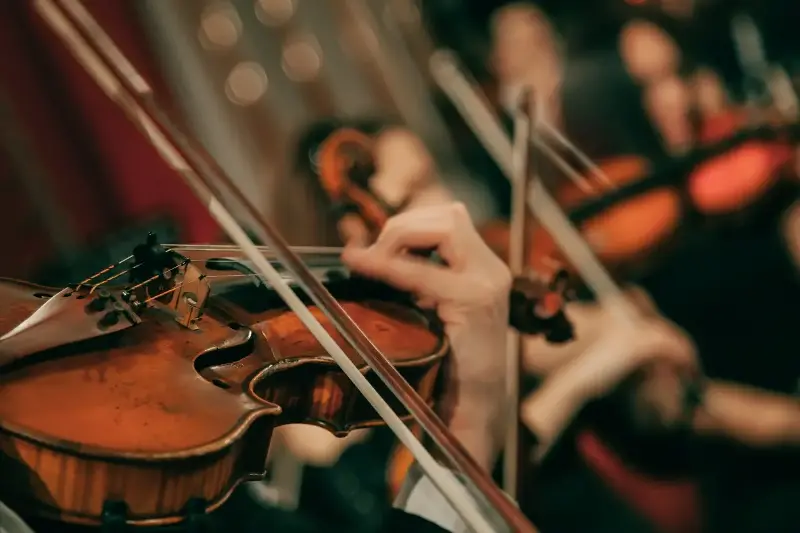
One major reason the violin stands out is its remarkable adaptability. In the hands of a virtuoso or a passionate amateur, it easily provides everything from soaring melodies to foot-tapping rhythms. Its four strings and elegantly curved body are surprisingly flexible, making it just as comfortable delivering a sweet melody in a Mozart symphony as it is driving the pulse of a fast-paced Hungarian folk dance.
Modern musicians continuously harness this flexibility to shatter rigid genre barriers:
- Cinematic Solos: Sweeping movie scores rely heavily on its power, such as the deeply moving, haunting violin solos featured in iconic cinematic history.
- Pop Fusions: Artists like Lindsey Stirling have captivated millions through viral violin-and-dance fusions, proving the instrument remains an essential thread in modern pop culture.
- Genre Crossings: Contemporary artists in jazz, rock, hip-hop, and electronic music have enthusiastically embraced the instrument. Groundbreaking collaborations mix classical violin strings with heavy hip-hop production to create entirely fresh sonic landscapes.
With the introduction of electric violins, loop pedals, and synthesizer enhancements, the creative and tonal range of the instrument continues to expand for a brand-new generation of listeners.
THE SOPHISTICATED SCIENCE BEHIND THE MAGIC
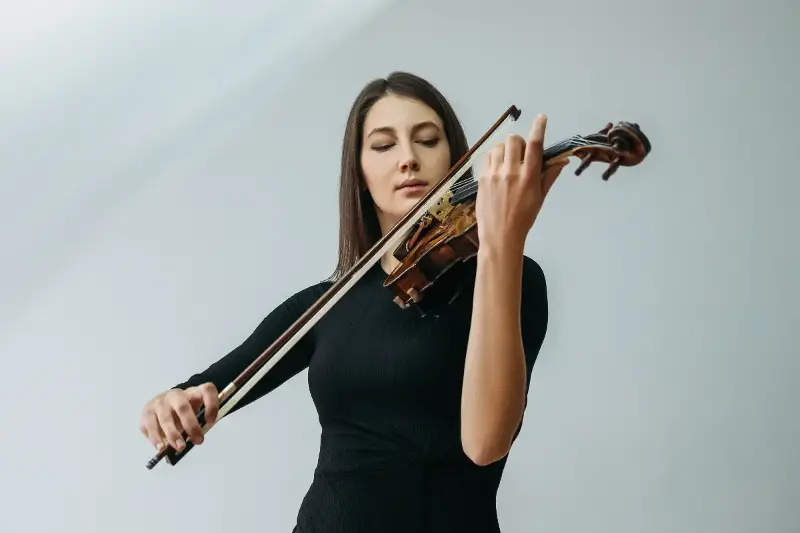
What exactly makes the violin’s acoustic output so uniquely compelling? A great deal of the magic lies within its precise physics and construction. Unlike many other stringed instruments, the violin produces a rich tapestry of harmonics and overtones due to its meticulously carved wooden body and the friction of the bow. The instrument is traditionally tuned in perfect fifths, giving it a beautifully balanced resonance.
Fascinating neurological research shows that listeners frequently experience strong physical reactions to violin music, ranging from goosebumps to literal shivers. This happens because the instrument's acoustic frequencies closely match the natural range of human speech, making its melodies feel innately familiar, comforting, and stirring to the human brain.
In terms of physical innovation, master violin makers—known as luthiers—are constantly pushing creative boundaries. While historic violins from families like Stradivari and Guarneri are world-renowned for their mysterious, irreplaceable sound quality, modern makers are actively experimenting with advanced materials like carbon fiber and digital audio pickups. This seamless blend of tradition and modernity keeps the violin on the absolute cutting edge of technology without losing its timeless soul.
WHY THE VIOLIN THRIVES IN A DIGITAL WORLD
Despite the massive rise of computer-generated beats and synthesized music, the global appeal of the violin continues to accelerate. Massive online communities on platforms like YouTube and TikTok are completely filled with young virtuosos, creative musical crossovers, and stunning violin covers of chart-topping pop hits.
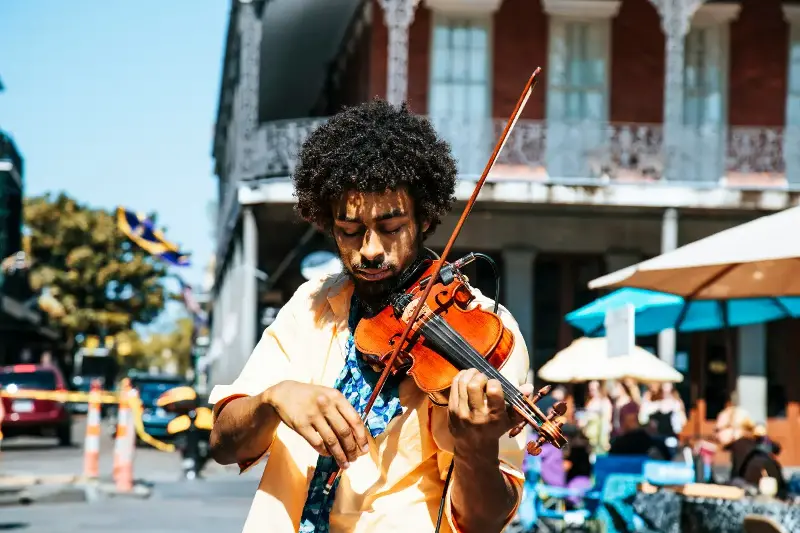
The violin’s intense visual presence and the highly expressive physical gestures required to play it fit perfectly with today’s digital demand for captivating performance art. Whether it is held by a solo street musician or fronting a massive electric ensemble, the violin remains an absolute star.
In every single musical genre, on stages big or small, the violin’s song continues to echo. Its timeless melodies serve as the ultimate soundtrack for life’s most pivotal moments, uniting hearts across borders and generations.