


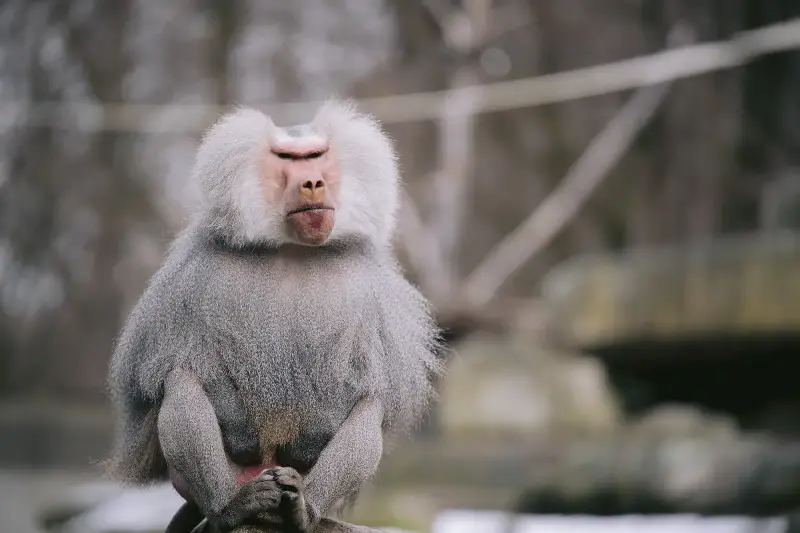
Baboons are among Africa’s most fascinating wild mammals. Their strong jaws, long muzzles, and confident stride give them a striking appearance, yet these primates are also deeply social, highly adaptable, and remarkably intelligent. Found across much of sub-Saharan Africa and parts of the Arabian Peninsula, baboons thrive in landscapes ranging from dry savannas and rocky cliffs to lush forests and coastal shores.
There are five commonly recognized baboon species: the chacma, olive, yellow, guinea, and hamadryas baboon. Each boasts its own unique traits, but all depend on close relationships, sharp observation, and fast decision-making to survive in challenging environments.
Life in a Troop
A baboon’s world revolves entirely around its troop—a large social group that can include dozens or even more than 100 individuals. Living in a collective brings immense safety advantages:
-
Predator Detection: More eyes and ears can quickly spot lions, leopards, and other threats.
-
Cooperative Defense: Adults work together to protect young animals and defend valuable feeding territories.
-
Lifelong Female Bonds: Female baboons generally remain in their birth troop for life, forming enduring bonds across generations.
-
Male Migration: Young adult males typically leave to join new groups, bringing fresh dynamics to neighboring troops.
Social hierarchy plays a vital role in daily life. Higher-ranking animals often gain priority access to food, safe resting spots, and preferred grooming partners. However, status is not determined by brute force alone—strategic alliances and strong family support allow clever individuals to navigate troop leadership successfully.
The Power of Grooming
One of the most vital daily activities for a baboon is grooming. Using their fingers and teeth, baboons remove dirt, loose hair, and small debris from one another’s coats. Beyond hygiene, grooming serves as essential social glue:
-
Tension Reduction: Softens stress and resolves friction after minor troop disputes.
-
Alliance Building: Strengthens bonds between relatives and unrelated allies.
-
Well-being Boost: Regular grooming releases comforting feelings, improving overall health and survival prospects.
Young baboons observe these social rituals early. By playing with peers and watching adults, they gradually learn the intricate social network of their troop.
Bold Minds and Practical Problem Solving
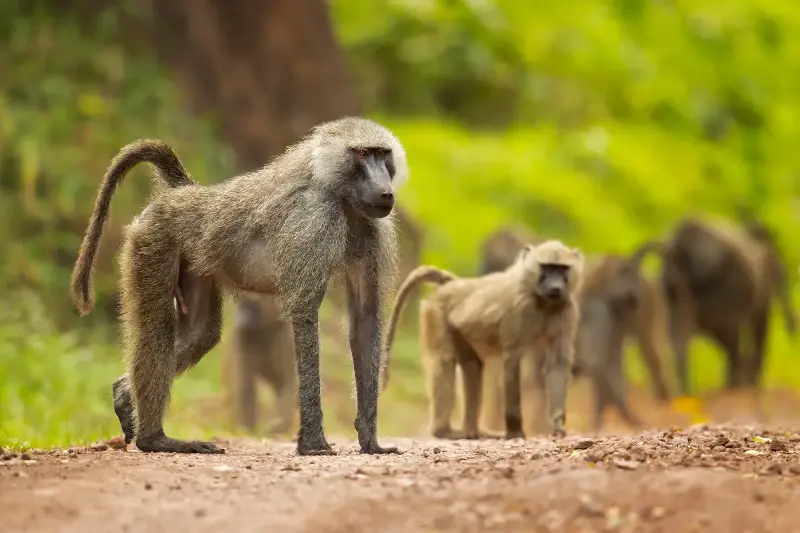
Baboons are exceptional problem-solvers. They remember seasonal fruiting trees, recognize danger instantly, and adapt quickly to changing environments. Their versatile diet includes fruits, seeds, roots, leaves, insects, and small vertebrates:
-
Resourcefulness: They dig for subterranean tubers in dry seasons or turn over coastal rocks for shellfish.
-
Long-Distance Travel: Troops easily trek vast distances between water holes, utilizing tall cliffs as safe nighttime roosts.
-
Quick Learning: Near human settlements, their keen intelligence allows them to spot open opportunities and work cooperatively to find food.
This remarkable flexibility enables baboons to flourish in habitats where many other primates struggle.
Communication Without Words
Baboons maintain order and convey intentions through a rich vocabulary of calls, facial expressions, and postures:
-
Vocal Warnings: A booming bark alerts the troop to nearby danger, while soft grunts offer peaceful reassurance.
-
Visual Signals: Raised eyebrows or gentle lip-smacking signify friendly motives.
-
Warning Displays: A slow yawn that reveals long canine teeth signals high confidence or competitive warning.
Hamadryas baboons feature an even more complex arrangement. They form distinct family units that gather into larger multi-layered bands, creating a unique social structure among primates.
Raising the Next Generation
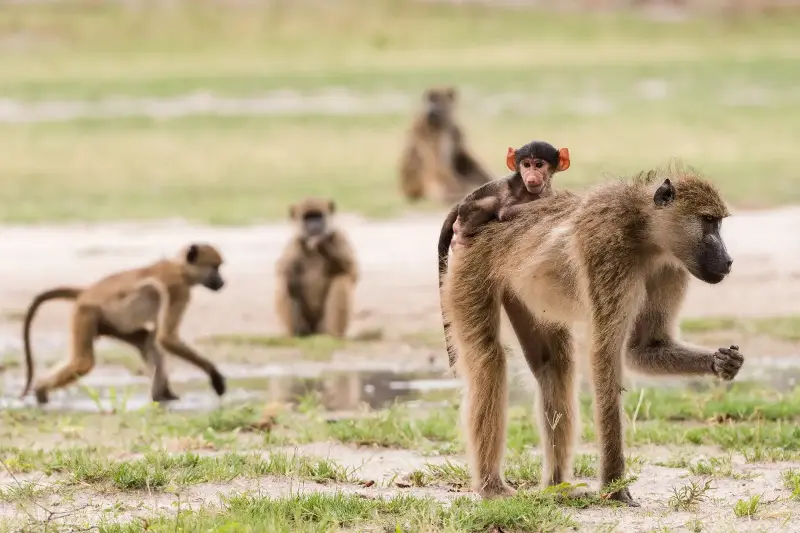
Baboon mothers are extraordinarily devoted. A newborn clings tightly to its mother’s belly before eventually riding comfortably on her back as it grows:
-
Caregiving Practice: Younger females often assist with infants, gaining valuable mothering experience.
-
Learning Through Play: Youngsters chase, wrestle, and climb together to build strength, physical coordination, and emotional confidence.
-
Social Boundaries: Playful interactions teach young baboons when to push forward, when to yield, and how to maintain friendships.
Living Alongside People
As towns, farms, and roads expand, baboons frequently interact with human communities. Because they are opportunistic thinkers, securing food stores and waste containers with wildlife-friendly methods helps maintain healthy boundaries for both people and animals.
Watching a troop move across an African landscape is a vivid reminder of nature's ingenuity. Behind every watchful face is a resilient animal navigating friendships, family ties, and the daily challenges of the wild with extraordinary skill.