


Plant-based eating is more than just a passing trend—it’s a lifestyle shift sweeping the globe, enticing curious foodies and serious health enthusiasts alike. Whether you’re going vegan for the environment, your health, animal welfare, or simply to explore new culinary horizons, one key question persists: can you really get all the nutrients you need from plants alone? The exciting answer is yes. Starting plant-based right means unlocking incredible benefits while keeping your nutrition balanced and your energy high.
GETTING TO KNOW PROTEIN POWERHOUSES
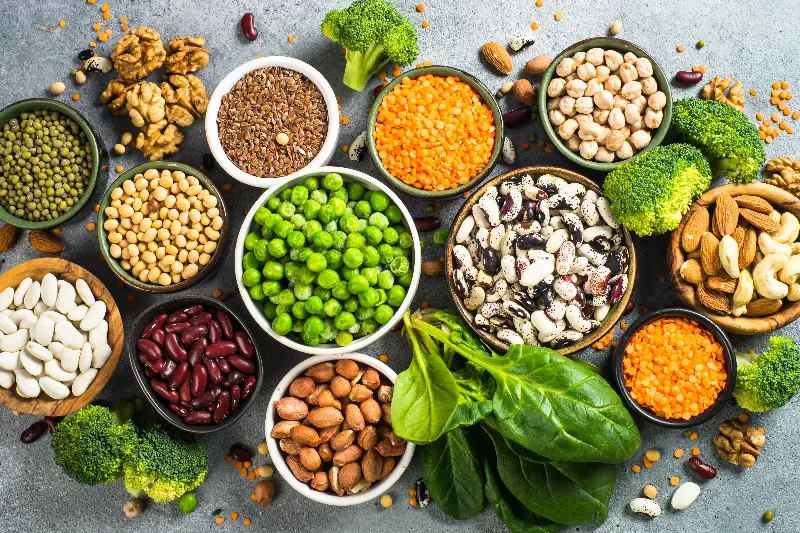
Perhaps the most popular myth about plant-based diets is that they’re low in protein. In reality, plenty of plant foods are packed with this essential macronutrient. You just need to think beyond tofu.
Top Plant-Based Protein Sources:
- Legumes: Lentils, chickpeas, and black beans.
- Soy Products: Tempeh, edamame, and soy milk.
- Ancient Grains: Quinoa, amaranth, and farro.
- Seeds: Hemp, pumpkin, and chia seeds.
- Meat Alternatives: Seitan (wheat gluten) and pea-protein blends.
Many plant sources contain “incomplete” proteins, meaning they lack one or more essential amino acids. However, if you eat a varied diet throughout the day—combining grains with legumes (like rice and beans or hummus and whole-grain pita)—your body will naturally assemble all the amino acids it needs to build complete proteins.
NAVIGATING VITAL VITAMINS AND MINERALS
There are a few nutrients you’ll want to pay special attention to when going plant-powered:
- Vitamin B12: This is not found naturally in plants and is crucial for brain and nerve health. Look for fortified foods like plant milks, cereals, or nutritional yeast, or consider a high-quality supplement.
- Iron: Plant-based (non-heme) iron is not as easily absorbed as animal-based iron. Pro tip: Pair iron-rich lentils or spinach with Vitamin C (citrus, peppers, or strawberries) to significantly enhance absorption.
- Calcium: You don't need dairy for strong bones. Fortified plant milks, tofu made with calcium sulfate, tahini, and dark leafy greens like kale and bok choy are excellent sources.
- Omega-3s: While fish is the traditional source, you can get your healthy fats from flax seeds, walnuts, and algae-based supplements.
FINDING THE FIBER ADVANTAGE
One rarely discussed bonus of plant-based eating is the massive boost in dietary fiber. Plants are rich in both soluble and insoluble fiber, which works wonders for your body:
- Regulates digestion and promotes a healthy gut microbiome.
- Manages blood sugar levels by slowing glucose absorption.
- Reduces cholesterol, supporting long-term heart health.
High-fiber foods like beans and whole grains keep you feeling full and satisfied long after meals, making this lifestyle a natural ally for weight management.
THE ART OF SMART SUBSTITUTIONS
Starting a plant-based journey opens the door to creative cooking. There are delicious substitutes for almost every animal-derived food:
- Dairy: Switch to almond, oat, soy, or pea milks.
- Eggs: Use mung bean-based liquids or "flax eggs" (ground flaxseed mixed with water) for baking.
- Texture: For a meatless mouthfeel, try using jackfruit (which has a shredded texture), hearty mushrooms, or seitan.
Exploring these swaps allows each meal to be both nourishing and new, ensuring you never feel like you're "missing out".
BALANCING YOUR PLATE LIKE A PRO
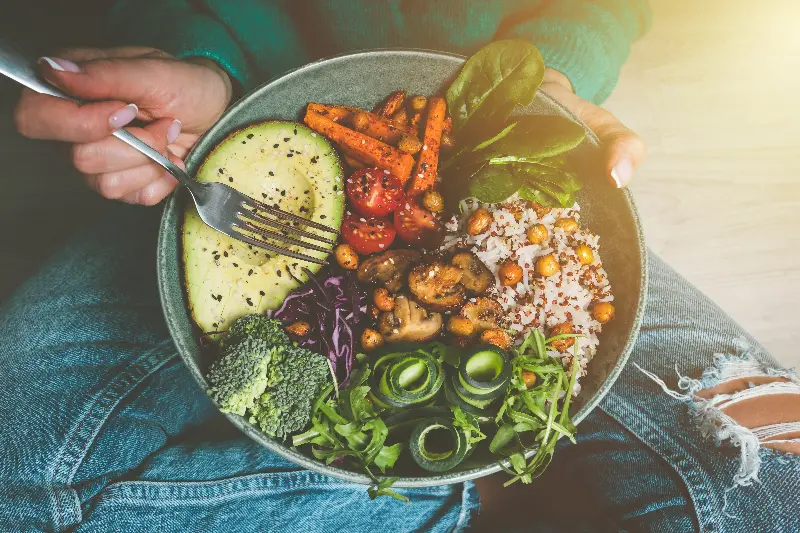
Building a well-balanced plant-based meal is not complicated, but it does take a bit of forethought. A healthy, vibrant plate should ideally include:
- A Protein Source: Tofu, beans, or lentils.
- A Whole Grain: Brown rice, quinoa, or barley.
- Healthy Fats: Avocado, seeds, or nuts.
- The Rainbow: A hearty serving of colorful fruits and vegetables.
Don’t forget about herbs and spices for extra antioxidants. Exploring global cuisines like Indian, Middle Eastern, and Thai can provide endless inspiration for flavor-packed, nutrient-dense meals.

BUSTING THE BUDGET MYTH
It’s a common misconception that eating plant-based is expensive. While specialty vegan "processed" products can add up, a diet focused on whole foods—grains, beans, and seasonal produce—is often significantly cheaper than one heavy in meat and cheese.
Choosing plant-based eating is a powerful way to improve your health and help the planet. With thoughtful planning and the right approach, you can thrive on a fully plant-powered diet without missing a nutritional beat.