


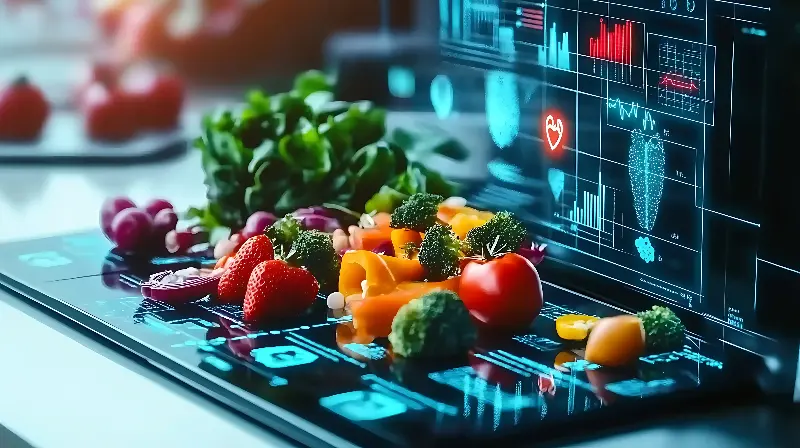
The age of "one-size-fits-all" nutrition is quickly fading into history as the world embraces a more tailored approach to human health. In 2026, personalized health—powered by biometric diets—has emerged as the most significant wellness revolution of the century.
Advances in biotechnology and data science are paving the way for nutrition plans as unique as our own fingerprints. From gene mapping to tracking blood sugar in real time, we are finally discovering individualized ways to nourish our bodies. But what exactly are biometric diets, and how will they redefine your future?
Understanding Biometric Diets: Beyond Calories And Macros
For decades, diet plans revolved around broad, population-based recommendations. However, the scientific community now recognizes a fundamental truth: two people can eat identical meals but experience vastly different impacts on their metabolism, weight, and energy.
Biometric diets bridge this gap by using data collected from your own body—biometrics—to craft strategies that work at a cellular level. These data points include:
- Genetic Markers: DNA variants that dictate how you process fats or carbs.
- Gut Microbiome: The ecosystem of bacteria that determines fiber digestion and vitamin absorption.
- Glycemic Response: How your blood sugar reacts to specific ingredients.
- Metabolic Rate: The actual speed at which your body burns fuel at rest.
Wearable devices and at-home kits have moved this technology from elite laboratories directly into our kitchens. Tools like Continuous Glucose Monitors (CGMs) now reveal precisely how a "healthy" bowl of oatmeal might spike blood sugar for one person while remaining perfectly stable for another.
The Science Behind The Personalization
What makes this movement revolutionary is the shift from "averages" to individual specificity. Research from institutions like the Weizmann Institute found that glycemic responses to identical foods can vary up to fivefold between individuals.
"The perfect breakfast for one person could be a metabolic disaster for another. Biometrics remove the guesswork from the equation."
Artificial Intelligence (AI) is the engine driving this progress. By analyzing massive datasets, AI-powered nutrition apps can now suggest meal plans and recipes that support improved sleep, reduced disease risk, and optimized mood—all attuned to your personal biological blueprint.
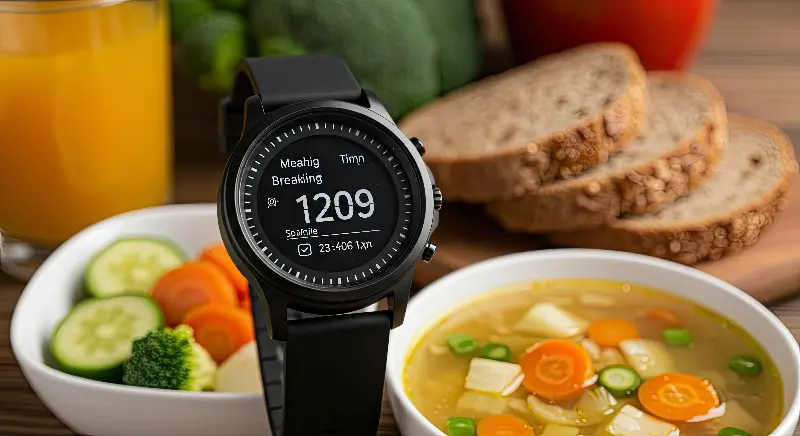
The Power Of Data: From DNA To Daily Decisions
Today, comprehensive health testing is no longer the exclusive preserve of professional athletes. The process has become remarkably accessible:
- At-Home Swabs: A simple cheek swab provides a readout of hundreds of genes tied to nutrient processing.
- Blood Spot Testing: A quick finger prick can identify current nutritional deficiencies or food intolerances.
- Real-Time Tracking: Wearable sensors sync data to your smartphone, providing a "live feed" of your body's internal chemistry.
Armed with this sea of data, users are empowered to make smart, proactive daily decisions. Instead of following a generic trend, you can trade out "superfoods" that don't align with your biology for ingredients that actually fuel your unique system.
Why Personalized Nutrition Engages Both Mind And Body
Embracing personalized wellness is as much a psychological journey as a physical one. It transforms health from a chore into an optimized experience:
- Increased Motivation: Knowing a plan is built specifically for your DNA boosts confidence and long-term adherence.
- The Gamification Factor: Watching your stress markers or glucose levels improve in real time provides an immediate "dopamine hit" of success.
- Performance Honing: Athletes are no longer just "eating clean"; they are fueling based on their specific recovery data and heart rate variability (HRV).
- Preventative Power: Families are using gene-informed choices to mitigate risks for conditions like diabetes and heart disease years before they might manifest.

Challenges And The Road Ahead
Despite the promise, the biometric revolution faces significant hurdles as it scales globally:
- Data Privacy: As we share DNA and blood data with tech companies, the security of this highly personal information is paramount.
- Accuracy Variance: The quality of at-home tests can vary; professional medical oversight is still recommended for interpreting complex results.
- Accessibility: While costs are dropping, constant biometric monitoring remains a financial investment that isn't yet available to everyone.
The Future Of Thriving
In the coming years, as technology becomes more seamless and algorithms grow more intuitive, biometric diets will become the standard of care rather than an experimental luxury.
By unlocking the secrets hidden in our DNA, our blood chemistry, and our gut microbiomes, we are entering an era where we no longer "go on a diet." Instead, we live in alignment with our biology. The future of wellness is no longer general—it is profoundly, and effectively, personal.