


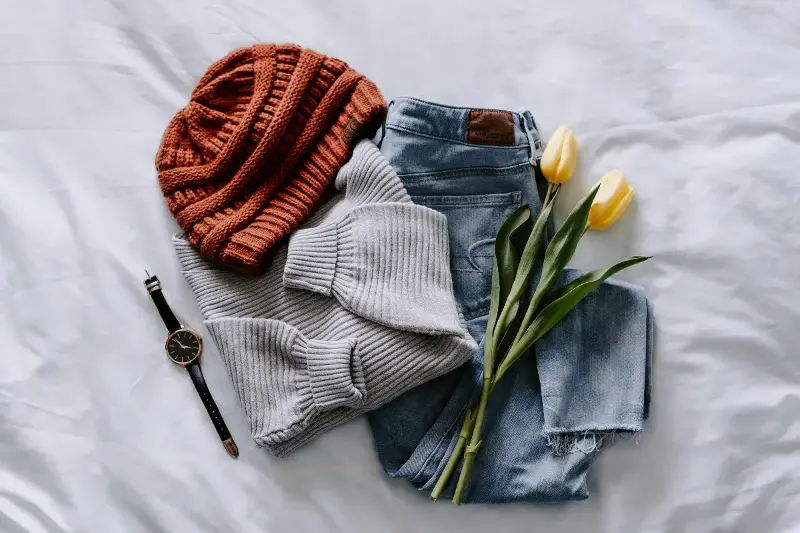
Preserving the style and quality of your wardrobe does not have to be a daunting task. With just a bit of care and the right techniques, your favorite pieces can stay fresh, vibrant, and wearable for years—maybe even decades. From statement jackets to that once-in-a-lifetime dress or perfect pair of jeans, every fashion lover knows the frustration of seeing beloved clothes lose their former glory. Thankfully, garment preservation is both an art and a science, and anyone can master it with a few professional tips.
UNDERSTANDING FABRIC FUNDAMENTALS
Different materials require unique attention, and knowing your fabrics is the first step toward effective storage.
- Natural Fibers: Cotton, wool, silk, and linen are beloved for their breathability, but they are sensitive to moisture, light, and pests.
- Synthetics: Materials like polyester and nylon are more resilient but can lose their shape if folded improperly or exposed to excessive heat.
Always read the care labels—not just for washing instructions, but for clues about optimal storage. For instance, wool sweaters should be folded flat to prevent stretching, while coats and jackets hold their shape best on sturdy, padded hangers. Ensure silk is stored in a cool, dry place away from direct sunlight to avoid fading.
SMART STORAGE CHOICES
How you store your clothes matters almost as much as how you wear them. To keep your style intact, implement a balance of hanging, folding, and containment:
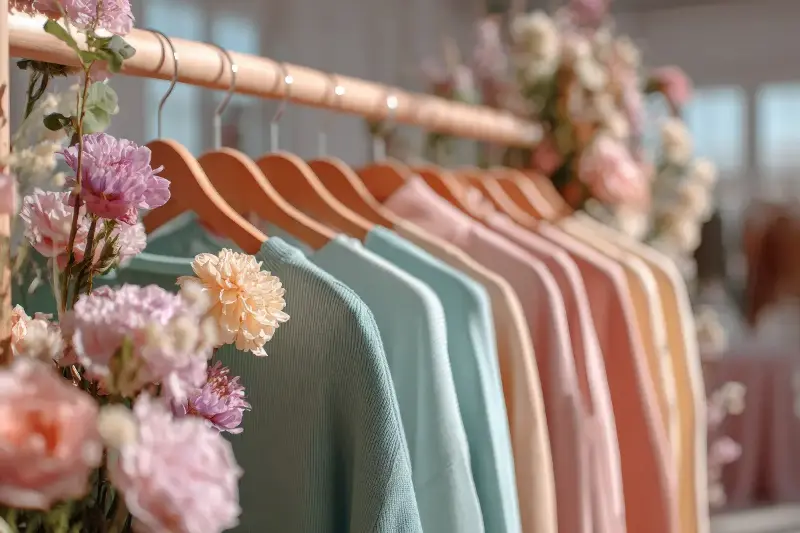
- Hangers Matter: Use wooden or padded hangers for jackets, suits, and dresses to maintain their structure. Avoid thin wire hangers, which can cause shoulders to droop.
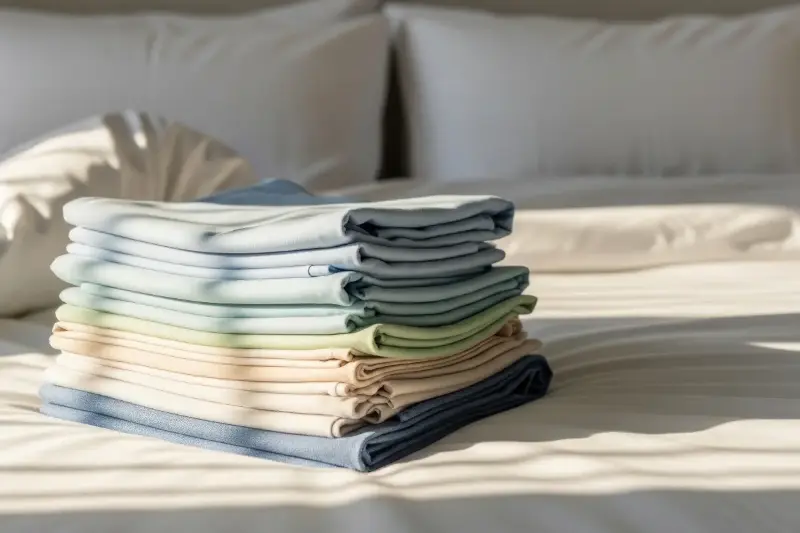
- Folding Techniques: For knitwear, denims, and delicate fabrics, folding is safer. Stack them loosely to allow for air circulation.
- Seasonal Storage: Opt for breathable garment bags made from cotton or linen rather than plastic. For shoes, use shoe trees or stuff them with acid-free tissue paper to retain their shape.
THE IMPORTANCE OF CLEANLINESS
Clothes should always be put away clean. Remnants of sweat, body oils, or food can attract moths and other insects. Even invisible stains can act as a beacon for hungry pests. Before tucking your garments away for the season, ensure they are freshly laundered or professionally cleaned. For everyday pieces, give your closet a regular shakeup. Occasionally air out your clothes in a shaded area and vacuum your storage space to prevent dust build-up.
BATTLING HUMIDITY AND LIGHT
One of the secret style-stealers in many wardrobes is humidity. Moisture in the air causes fabrics to smell musty and can lead to mold, especially on natural fibers.
- Natural Solutions: Keep desiccant packets or cedar blocks in your wardrobe. Cedar naturally absorbs excess moisture, repels moths, and provides a pleasant, woody scent.
- Light Protection: Place wardrobes away from direct sunlight, which notoriously fades colors and weakens fibers. If sunlight is unavoidable, consider UV-protective curtains to preserve those vibrant hues.
MASTERING THE ART OF ROTATION
One of the easiest mistakes in fashion storage is neglecting what you do not often wear. Rotating your wardrobe not only keeps you in touch with your style choices but also prevents items from becoming permanently creased. At the change of each season, bring seldom-worn items to the front and place the most-used items toward the back. This simple habit ensures your pieces receive the attention they deserve and often inspires new, creative outfit combinations.
SMART SOLUTIONS FOR SMALL SPACES
City living should not stop you from maintaining your wardrobe’s longevity. Multifunctional storage containers, under-bed organizers, and modular shelving systems maximize space. Look for stackable bins with proper ventilation, and avoid overcrowding your drawers. Even in tight quarters, giving each garment enough room to breathe is essential to prevent wrinkling and fabric breakdown.
INVEST IN QUALITY OVER QUANTITY
Perhaps the most stylish tip of all: a smaller wardrobe, carefully chosen, is much easier to maintain than a bursting closet of fast fashion. When you invest in timeless, high-quality pieces, you enjoy the superior craftsmanship and fit. Clothing care then becomes a rewarding ritual rather than a chore. By focusing on these thoughtful habits, your personal style will stand the test of time, ensuring that every time you pull out that cherished dress or favorite shirt, it looks as good as the day you first wore it.