


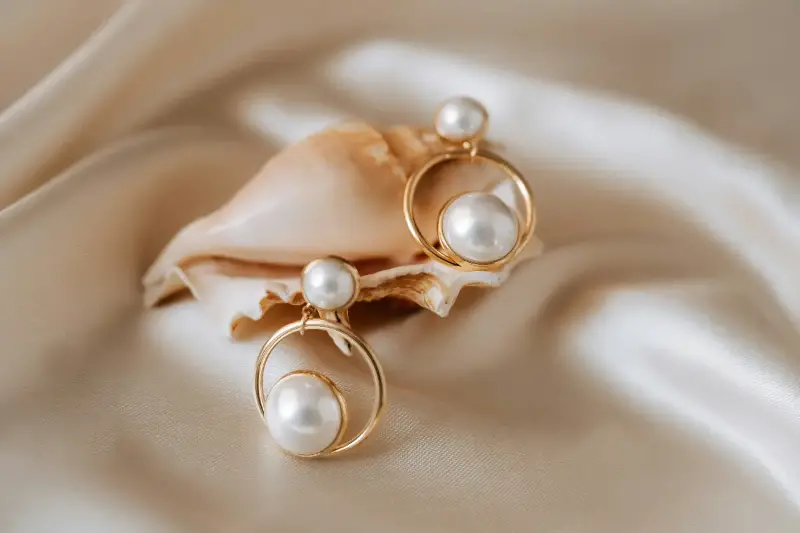
For centuries, pearls have captivated the world with their gentle luster and quiet elegance. From shimmering strands adorning royal necklines to the mysterious depths of the ocean, these gems blend natural magic with human fascination.
Beyond their beauty lies a trove of secrets and science—some of which have only recently come to light. Unlike stones mined from the earth, pearls are born from a living process, making them truly unique in the world of gemology.
A Journey From Sea To Treasure Chest
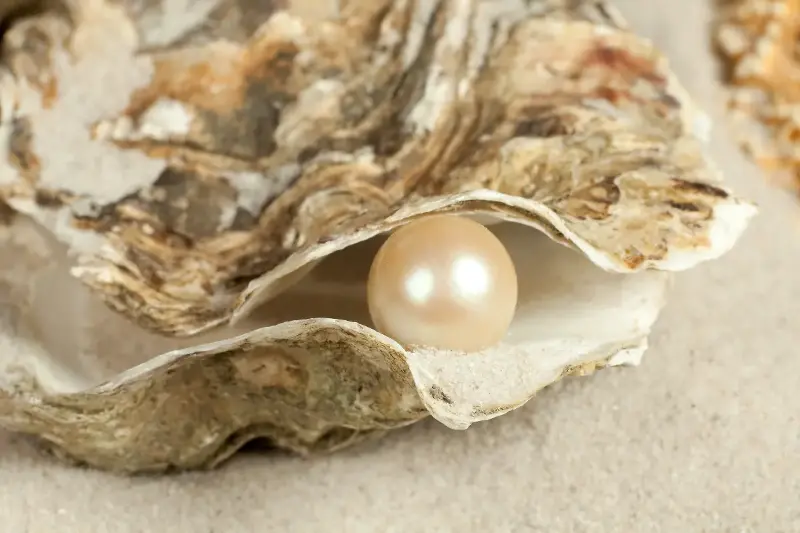
The origins of a pearl are surprisingly humble. They are created by mollusks—most commonly oysters and mussels—as a biological defense mechanism.
- The Irritant: When a foreign particle slips inside the shell, the mollusk responds by coating it in layers of nacre.
- Mother-of-Pearl: This iridescent substance is the same material that lines the inside of the shell.
- Rarity in the Wild: Only about 1 in 10,000 wild oysters will yield a gem-quality pearl.
- Cultured Innovation: Today, most pearls are "cultured," where farmers carefully introduce an irritant. This marriage of nature and human ingenuity has made pearls accessible to the masses.
The Science Behind The Shine
What sets pearls apart is their organic composition. They are a blend of aragonite (calcium carbonate) and conchiolin (an organic protein).
- The "Orient": This is the term gemologists use for the pearl’s signature glow. It is caused by the reflection and refraction of light through translucent layers of nacre.
- No Two Alike: Their colors range from classic white and soft pink to silvery grays and deep Tahitian blacks.
- Environmental Factors: The water's temperature, salinity, and mineral content determine the final hue and luster of each individual gem.
Legends, Myths, And Royal Obsession
Before science explained pearl formation, ancient civilizations created magical origins for them.
- Tears of the Gods: In ancient Persia, pearls were believed to be divine tears shed into the sea.
- Symbol of Power: In ancient Rome, Julius Caesar passed a law restricting pearl-wearing to the ruling class only.
- La Peregrina: Perhaps the most famous pearl in history, this symmetrical pear-shaped gem traveled through the courts of Spain and England before being gifted to Elizabeth Taylor by Richard Burton.
Ocean Mysteries And Historic Finds
For thousands of years, pearl diving was a dangerous, breath-holding feat. Divers in the Arabian Gulf and Japan risked shark-infested waters with little more than a noseclip.
- The Hope Pearl: Weighing over 450 carats, this 19th-century discovery remains one of the largest and most famous natural pearls.
- Durability: Natural pearls found in ancient shipwrecks have survived centuries underwater, proving that these organic gems are remarkably resilient.
- Folklore: Massive specimens like the Pearl of Lao Tzu are shrouded in rumors, adding to the oceanic mystique.
Modern Marvels And Sustainable Culturing
Today, pearl farming is a precise intersection of art and ecology. Famous varieties like Akoya, South Sea, and Tahitian pearls are nurtured over several years.
- Eco-Friendly Practices: Modern pearl farms often act as guardians of the sea. Healthy oysters require pristine water, encouraging farmers to protect local marine ecosystems.
- Conservation: Many prestigious pearls now come with environmental seals of approval, linking luxury with sustainability.
- Baroque Beauty: Designers are moving away from perfect spheres, embracing "Baroque" shapes—uniquely irregular pearls that highlight natural individuality.
Wearing Legends: Pearls In Fashion And Culture
Pearls have undergone a massive renaissance, evolving from "grandma's jewelry" to a staple of high-fashion runways.
- Coco Chanel’s Legacy: Chanel famously declared that “a woman needs ropes and ropes of pearls,” making them a symbol of chic, effortless style.
- Gender Neutrality: In recent years, pearls have graced the wardrobes of both men and women on red carpets, breaking traditional style barriers.
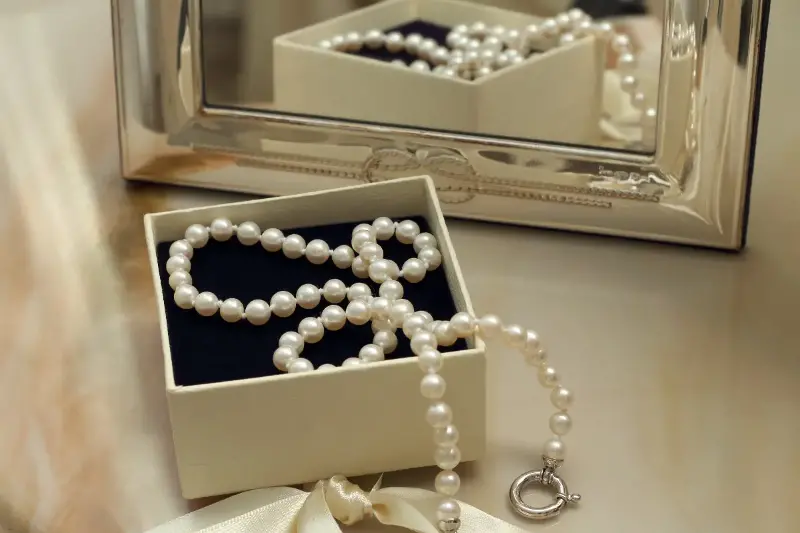
- The Modern Strand: From minimalist studs to extravagant, layered necklaces, pearls remain a universal symbol of intrigue.
The next time you see a strand of pearls, remember: you are touching a piece of natural art shaped by chance, history, and the quiet persistence of the sea.