


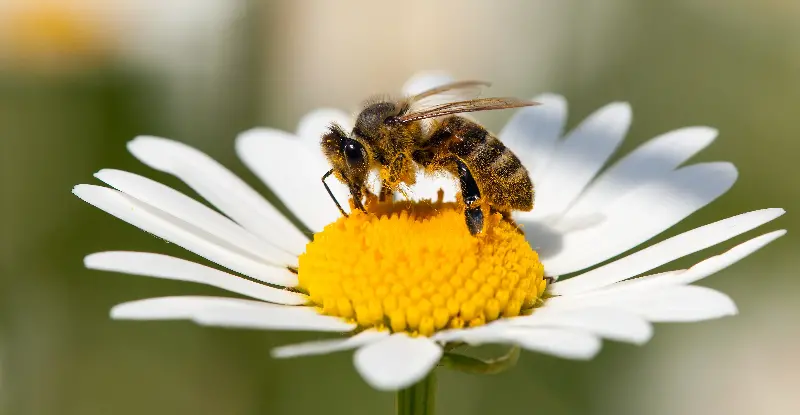
Imagine a world without bees buzzing from flower to flower. At first, the silence might seem peaceful, but a closer look reveals a profound and devastating change to our environment, our economy, and the very colors on our plates.
While bees are often celebrated for their honey, their true contribution to life runs much deeper. They are the invisible engine of our food system. If bees vanished tomorrow, the ripple effects would touch every corner of the globe. Would life ever taste—or look—the same again? The answer is a resounding no.
THE UNSUNG HEROES OF POLLINATION
When you bite into a crisp apple or a juicy strawberry, you are tasting the direct result of nature’s busiest workaholics. Bees are the efficiency experts of the natural world, and their statistics are staggering:
- Global Impact: Around 75% of the world’s flowering plants and one-third of our food crops rely on animal pollinators.
- The Heavy Lifters: While birds and bats contribute, bees handle the lion’s share of the workload.
- Specialized Labor: Bees are uniquely evolved to transfer pollen, enabling the fertilization necessary for fruits, seeds, and nuts to develop.
Without them, wind-pollinated staples like wheat and rice would survive, but our diets would lose their vibrancy. High-value crops like almonds, blueberries, cucumbers, cherries, and coffee are heavily dependent on bee intervention. Their absence would lead to plummeting crop yields, smaller fruits, and astronomical grocery prices.
A RIPPLE EFFECT THROUGH THE FOOD CHAIN
The disappearance of bees would trigger an ecological and economic domino effect. It isn't just your morning fruit bowl at risk; the entire agricultural infrastructure would tremble.
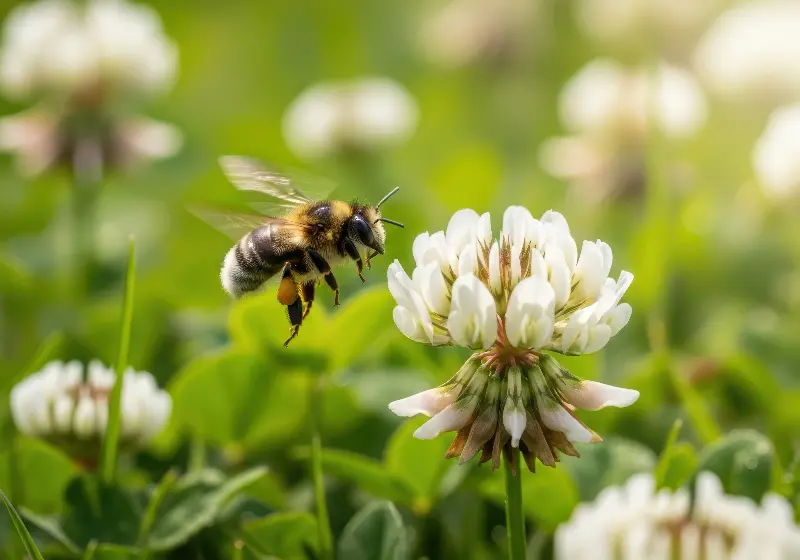
- The Livestock Connection: Cattle and dairy cows depend on bee-pollinated forage crops like alfalfa and clover. If these disappear, meat and dairy supplies would shrink, causing prices to soar.
- Wildlife Habitats: Bees support the wild plants that provide food and shelter for countless other creatures.
- Biodiversity Loss: If these plants fade, the birds and small mammals that depend on them would decline, leading to a drastic "step-down" in the health of our planet's ecosystems.
WOULD NATURE FIND A SUBSTITUTE?
Could technology or other animals replace the humble bee? While scientists have experimented with robotic bees and hand-pollination, nothing matches millions of years of evolution.
In parts of China’s Sichuan province, where bees disappeared due to heavy pesticide use, farmers were forced to pollinate apple trees by hand using brushes dipped in pollen. This process is tedious, expensive, and unsustainable on a global scale. While butterflies and bats might fill some gaps, they simply lack the specialized efficiency of the bee. The result would be a blander, less nutritious, and significantly costlier human diet.
HOW LOSING BEES WOULD CHANGE EVERYDAY LIFE
Life without bees would mean a breakfast table stripped of variety. Imagine the following "missing" items:
- No honey to drizzle over granola.
- No vibrant berries for your yogurt.
- No plump tomatoes or tangy cucumbers for lunch.
- Chocolate and coffee would become rare, luxury items.
Beyond nutrition, bees are woven into our cultural heritage. From the ancient Egyptians who revered honey as a symbol of life to modern art and folklore, the bee is a link to our history. Losing them would mean losing a piece of our collective identity.
POSITIVE SIGNS: WHAT WE CAN DO
Despite the grim "what-if" scenarios, there is significant hope on the horizon. Around the world, a movement is growing to protect these vital insects:
- Pollinator-Friendly Gardens: Communities are planting wildflowers and herbs like lavender, thyme, and sunflowers to provide urban "fueling stations" for bees.
- Organic Shifts: Farmers are increasingly reducing harmful pesticides and providing native hedgerows for habitat.
- Urban Beekeeping: City rooftops in London and New York are now humming with hives that help pollinate local parks.
Every small action counts. Buying local honey, avoiding garden chemicals, and supporting conservation initiatives create a robust safety net for our pollinating friends.
CONCLUSION
Ultimately, life without bees would be a pale imitation of the world we know today—fewer tastes, fewer colors, and a fragile environment. However, with intentional action and global awareness, we can keep our ecosystems buzzing. By protecting the bee, we aren't just saving an insect; we are securing our own future.