


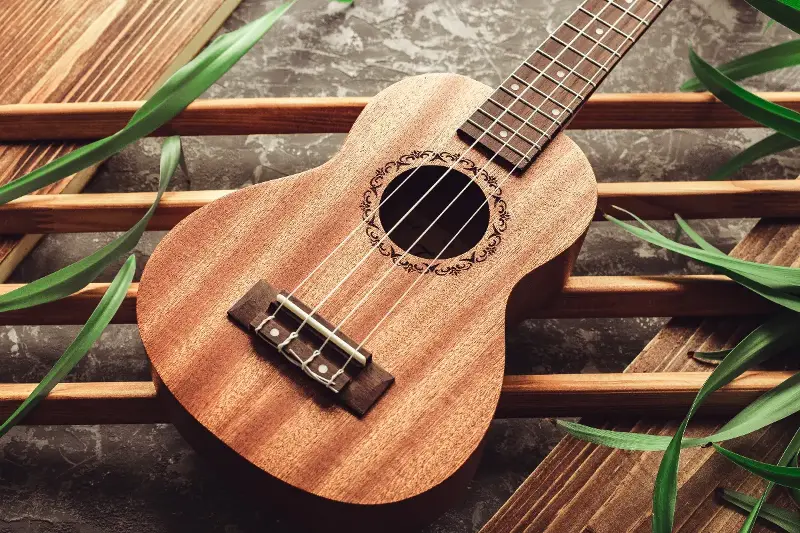
From humble beginnings on the sunlit shores of Hawaii to center stage in global pop hits, the ukulele has become one of music’s most beloved and surprising icons. Its cheerful sound and approachable style have charmed generations, weaving a story that bridges oceans, cultures, and musical genres.
Origins on Hawaiian Shores
The ukulele’s story starts in the late 19th century, but its roots stretch across thousands of miles of water. Portuguese immigrants arrived in Hawaii in the 1870s, bringing small, guitar-like instruments called machetes. Local Hawaiians were captivated by the lively sound and began modifying its design and playing style.
The result was the ukulele—a name that means "jumping flea" in Hawaiian, a playful nod to the fingers dancing rapidly across the fretboard. King Kalākaua, known affectionately as the "Merrie Monarch," was quick to embrace the little instrument, encouraging its use in royal gatherings and traditional Hawaiian music. It quickly became a proud symbol of Hawaiian culture, spreading from the palaces of Honolulu to beaches and backyards across the islands.

The Ukulele Crosses Continents
The instrument's infectious personality made it the star of early 20th-century exhibitions on the United States mainland. At the Panama-Pacific International Exposition in San Francisco in 1915, it completely captivated visitors and sparked a national ukulele craze.
This period, often called the first ukulele boom, cemented its place in global popular culture:
- Mass Production: Manufacturers began producing ukuleles at scale, making them highly accessible and affordable for everyday families.
- Media Star status: Vaudeville entertainers, jazz players, and early Hollywood stars brought the instrument onto the radio, film, and live stage.
- Catchy Riffs: Famous songs of the era showcased the instrument’s fun, upbeat vibe to millions of listeners.

Shaping Modern Music and Pop Culture
By the 1950s, school music programs adopted the ukulele for its accessibility, introducing a new generation of players to the joy of music. The instrument also took surprising turns on the world stage, finding deeply passionate fanbases in unexpected corners, most notably inspiring a thriving music scene in Japan.
Perhaps one of the most iconic moments in modern music history was George Harrison’s deep affection for the instrument. The Beatles legend often gifted ukuleles to friends and played them at private gatherings, spreading its popularity among rock legends and everyday fans alike.
A Digital Age Renaissance
In the early 2000s, artists across indie, pop, and folk genres completely rediscovered its joyful sound. A massive turning point occurred with Israel Kamakawiwo‘ole’s gentle, soulful medley of "Somewhere Over the Rainbow," which brought the ukulele’s dreamy tones back to the global airwaves.
Today, social media and online video platforms have propelled the instrument into a new era. Aspiring musicians can access endless resources:
- Global Communities: Video tutorials make it easier than ever for beginners to learn.
- Genre-Crossing Repertoires: Viral covers show how easily the instrument adapts to modern pop, rock, and electronic music.

Why the Ukulele Captures Hearts
What draws such widespread affection to this four-stringed instrument? For one, it is remarkably accessible—lightweight, easy to learn, and inviting.
Its cheerful, lilting timbre brings an immediate sense of optimism to almost any piece of music. It can sing softly in a love ballad, drive the beat for an upbeat dance, or provide a gentle accompaniment to storytelling. Most importantly, it is a tool for connection, effortlessly breaking down the barriers between the performer and the audience.
Today, the ukulele stands as a testament to music’s power to travel, transform, and share a bit of happiness wherever you go.