


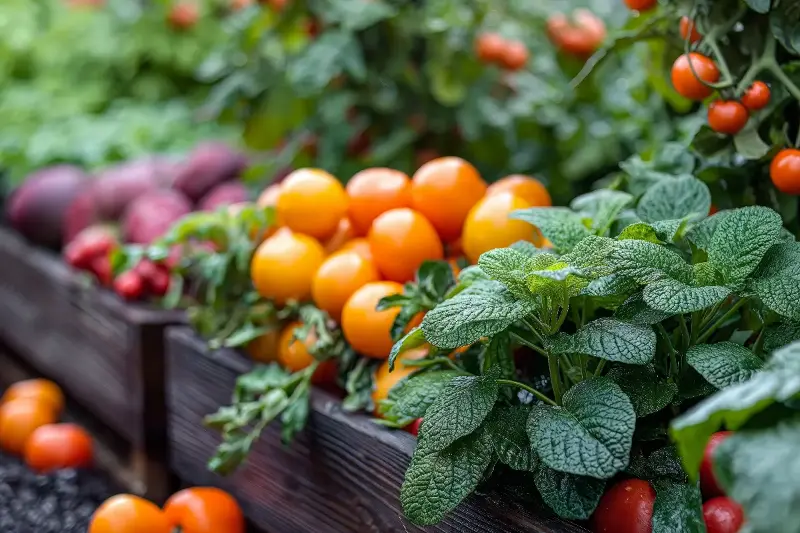
Growing food at home does not require a large farm, expensive equipment, or expert knowledge. A few containers on a sunny balcony or a small raised bed can produce fresh herbs, crisp salad leaves, and sweet tomatoes. Organic gardening focuses on working with natural systems rather than relying on synthetic chemicals. The reward is delicious, flavorful food grown with complete confidence in how it was produced.
For beginners, the secret is to start small. A manageable plot that is easy to water, weed, and observe will be far more rewarding than an ambitious space that becomes overwhelming.
Choose the Right Growing Space
Selecting a proper location ensures your plants have the energy they need to thrive:
-
Sunlight Requirements: Most fruiting vegetables need at least six hours of direct sunlight daily. Leafy greens like lettuce, spinach, and parsley can tolerate partial shade.
-
Proper Drainage: Vegetable roots need air as well as water. Constantly wet soil leads to root rot.
-
Smart Container Options: Raised beds or pots with drainage holes are ideal for renters or heavy clay soil. A tomato plant needs a container holding at least 20 litres of compost-rich soil, while basil thrives in smaller pots.
Build Healthy Soil Naturally
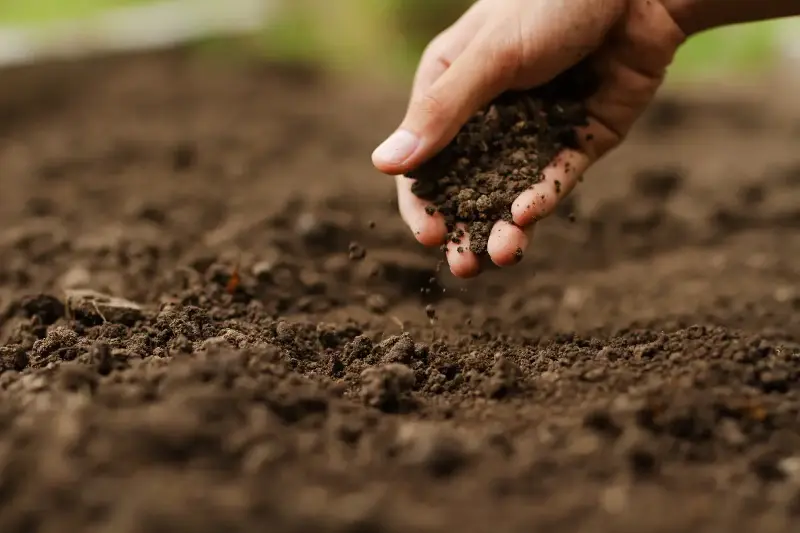
Healthy soil is the true foundation of organic gardening. Organic gardeners nourish a living soil community of earthworms, fungi, and beneficial bacteria that release nutrients directly to plant roots.
-
Incorporate Compost: Spread a layer of finished compost 2 to 5 centimetres thick over garden beds to improve texture and fertility. Kitchen scraps like fruit peelings, coffee grounds, and eggshells make excellent compost material.
-
Apply Mulch: Place straw, shredded leaves, or wood chips around plants to conserve soil moisture, prevent weeds, and protect against extreme heat. Keep mulch slightly away from stems to avoid rot.
Start with Easy, Productive Crops
Fast-growing, resilient crops give beginners an encouraging early harvest:
-
Quick Produce: Radishes mature in three to five weeks, while loose-leaf lettuce can be harvested leaf by leaf for continuous meals.
-
High-Yield Choices: Bush beans, zucchini, cherry tomatoes, and chives produce abundantly in small spaces.
-
Fragrant Herbs: Basil loves warmth and sun, whereas parsley, coriander, and chives flourish in cooler weather.
Spacing Tip: Avoid overcrowding seedlings. Proper spacing improves airflow and significantly reduces the risk of fungal plant diseases.
Water Wisely and Feed Gently
Consistent moisture keeps plants healthy, especially when flowering or fruiting:
-
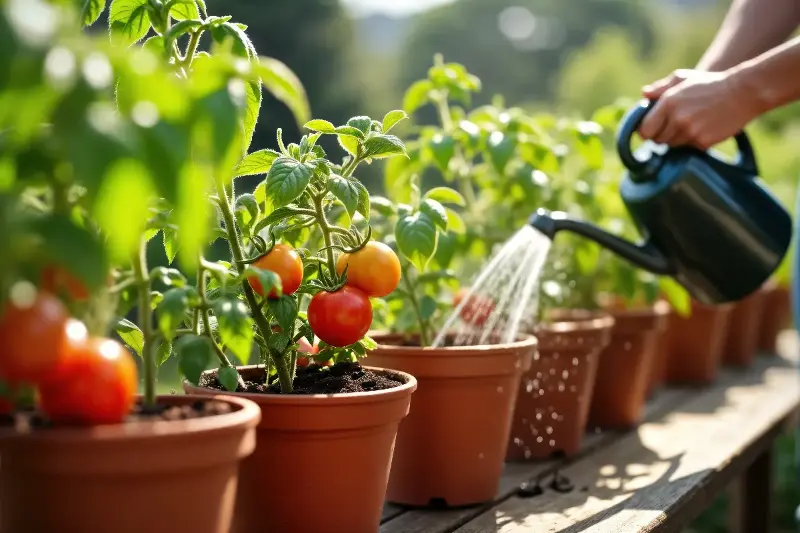
Water the Base: Direct water to the roots rather than wetting leaves, ideally in the early morning so plants absorb moisture before the heat sets in.
-
Check Soil Depth: Insert a finger a few centimetres into the soil. If it feels dry, water deeply; if damp, wait another day.
-
Gentle Feeding: Heavy feeders like tomatoes and squash benefit from organic liquid sea kelp or composted manure applied according to directions.
Manage Pests without Harsh Chemicals
A few nibbled leaves are completely normal in a natural garden. Inspect your plants regularly, checking under leaves for early signs of insects:
-
Physical Barriers: Use fine mesh netting over cabbage and kale to prevent caterpillars. Hand-pick larger pests like slugs or caterpillars in small gardens.
-
Attract Beneficial Insects: Plant flowers such as marigolds, alyssum, dill, and borage to invite ladybirds and hoverflies, which naturally keep aphid populations under control.
Organic gardening is about building a resilient, living space where soil and plants thrive together. With sunlight, water, and patience, anyone can harvest fresh food steps from the kitchen.