


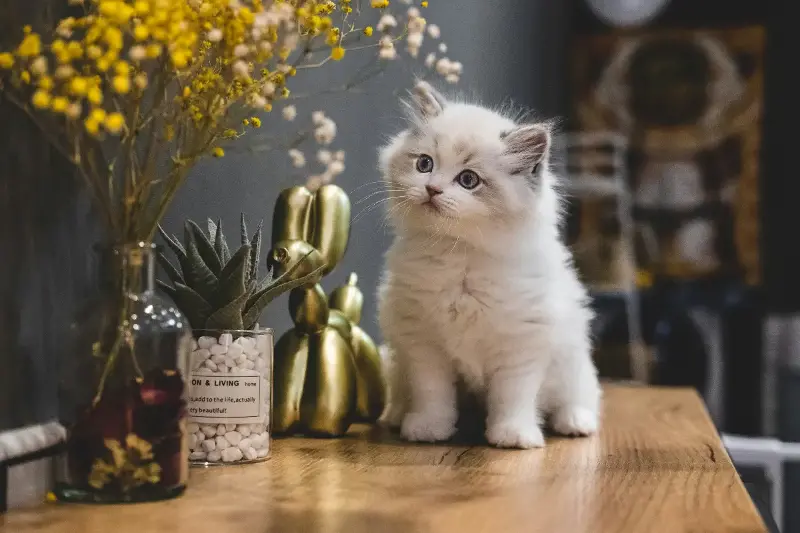
With their tiny noses, sparkling eyes, and playful energy, kittens are among the most lovable creatures on the planet. But beyond their adorable antics lies a fascinating world filled with little-known facts and heartwarming truths.
If you thought you understood these tiny felines, prepare for a journey into the secret world of these enchanting pets. It is a place guaranteed to melt the hearts of animal lovers everywhere while revealing the incredible science behind their growth.
THE MIRACULOUS EARLY DAYS OF KITTENHOOD
The first few weeks of a kitten's life are nothing short of miraculous. Born both blind and deaf, newborn kittens rely entirely on the warmth and touch of their mother and siblings to navigate their surroundings.
- The Blue Eye Surprise: A kitten's eyes stay tightly closed for the first seven to ten days to protect them as they adjust to the world. When they finally snap open, all kittens are born with blue eyes. It takes several weeks for their permanent eye color—whether green, amber, or golden—to fully reveal itself.
- A Powerful Sense of Smell: While their sight and hearing are completely undeveloped at birth, their sense of smell is fully functioning from day one. This vital tool helps them instantly locate their mother.
- Rapid Growth: Fueled by a voracious appetite, kittens will double and then triple their initial birth weight within just a few weeks.
PLAYFUL PERSONALITIES AND VITAL ENERGY
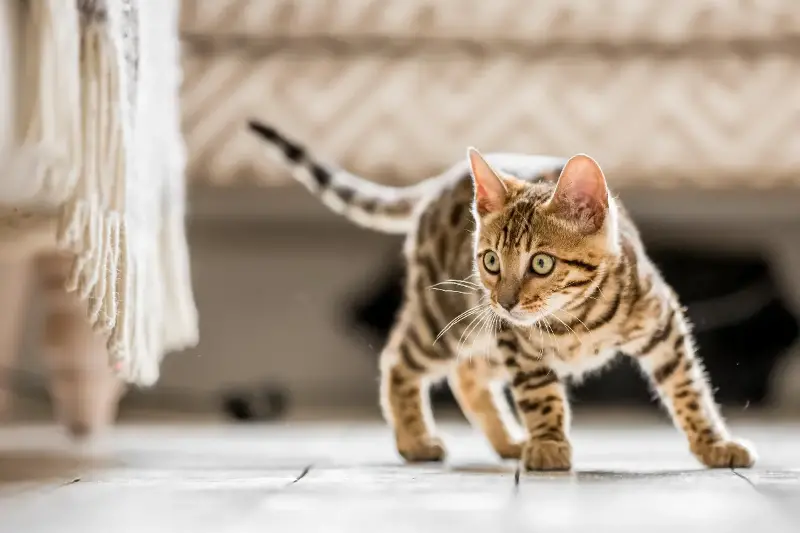
If you have ever witnessed a kitten at play, you know their curiosity is absolutely boundless. This endless energy is not just adorable; it is essential for their physical and mental development.
Kittens use play to practice important life skills like stalking, pouncing, and wrestling. These movements perfectly mimic the natural behaviors they would need to survive in the wild. This playful training, especially when sharing a home with littermates, helps them learn social boundaries, coordination, and the art of gentle interaction.
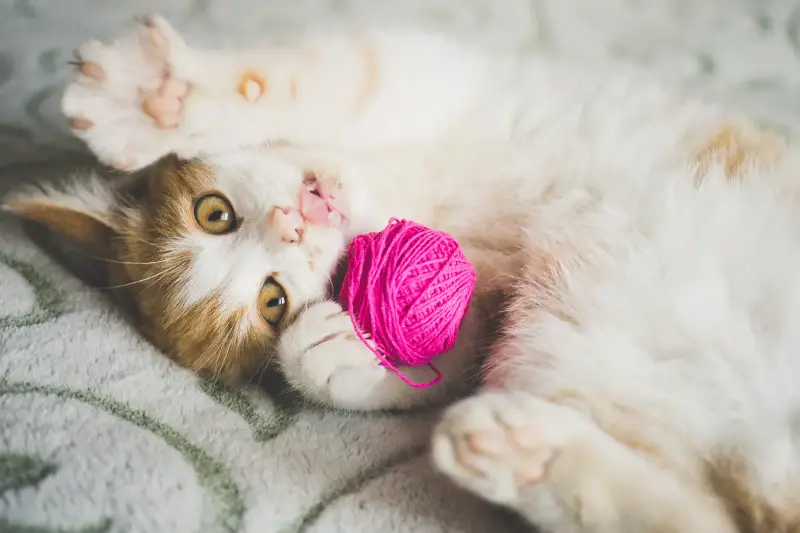
Through these games, kittens also establish their own unique personalities. Even during solo play, a kitten will inventively chase its own tail or bat at invisible targets, turning your living room into a joyful training ground.
THE INVENTIVE LANGUAGES OF KITTEN COMMUNICATION
Kittens boast an impressive vocabulary long before they ever learn to meow effectively at humans. Their very first sounds are sweet, high-pitched squeaks and rumbling purrs directed toward their mother to indicate hunger, comfort, or a need for warmth.
Interestingly, the familiar meow is a sound cats rarely use to communicate with each other in the wild. Instead, they develop and refine this vocalization specifically to communicate with humans—creating a tailored language meant just for us.
Body language also plays a crucial role in daily communication:
- The Upright Tail: A high, straight tail signals that a kitten is feeling happy, confident, and secure.
- The Arched Back: Fluffed-up fur and a sideways hop are usually part of a dramatic, playful "scary cat" act.
- Kneading Paws: Pushing their paws rhythmically against a soft blanket or your lap is a comforting instinct carried over from nursing.
FUZZY EXTERIORS AND SURPRISING INTELLIGENCE
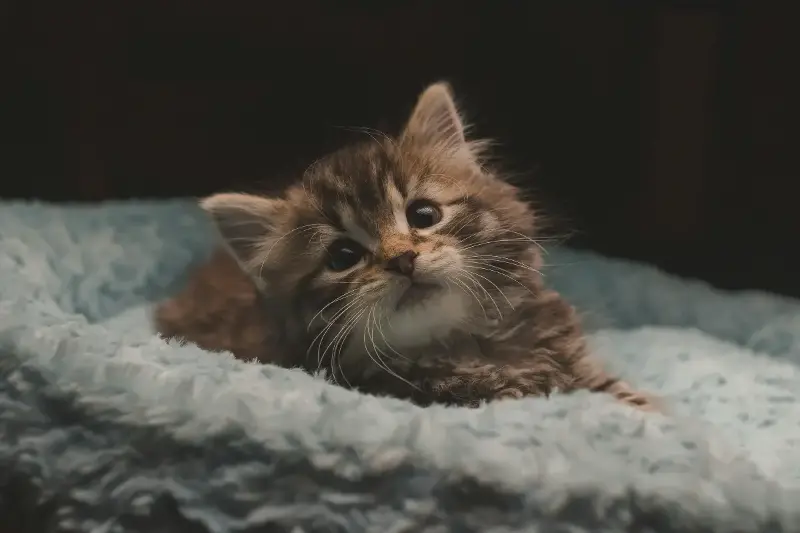
Beneath those fuzzy coats, kittens possess incredibly bright, adaptable minds. By just six weeks old, most kittens can be easily litter trained, responding beautifully to structured routines and gentle guidance. They learn at an astonishing speed by closely watching their mother and siblings to determine what is safe, edible, or worth exploring.
Interactive puzzle toys are fantastic for engaging a kitten's rapidly growing brain. Patient pet owners can even teach young kittens simple, rewarding tricks—such as sitting, coming when called, or shaking paws—using positive reinforcement and tasty treats.
A BEAUTIFUL BOND THAT LASTS A LIFETIME
Interacting with a playful kitten does wonders for human well-being. Spending time with these animals is shown to reduce stress levels, lower blood pressure, and boost serotonin, making them little bundles of pure happiness.
The human-kitten bond starts with gentle petting and deepens over time as they learn to seek out your lap for comfort. The critical socialization window occurs between two and nine weeks of age. Providing gentle handling, introducing new sounds, and offering plenty of affection during this stage shapes your companion into a confident, loving, and deeply loyal family member for life.