


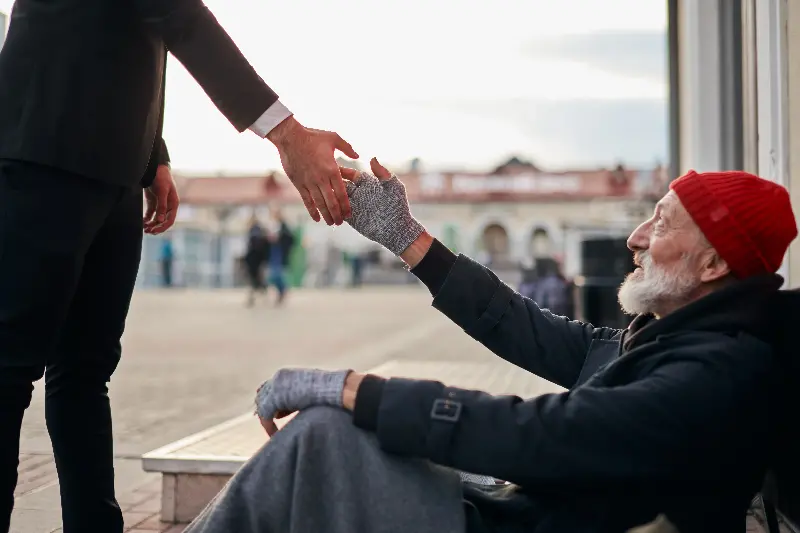
Imagine standing in line for your morning coffee, running a few minutes behind and worried you’ll be late for work. Just as you reach the counter, the person ahead of you pays for your drink and offers a warm smile. Surprised and delighted, you realize that your day feels instantly brighter. This is not just a fleeting moment of happiness—it’s the extraordinary impact of a random act of kindness. While kindness might seem small, science, psychology, and stories from around the world reveal its profound potential to transform lives and shift society’s direction.
WHY KINDNESS MATTERS MORE THAN EVER
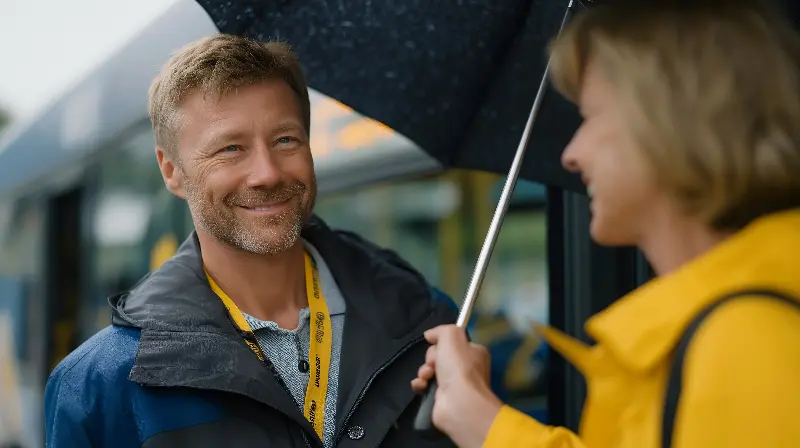
Acts of kindness, especially when delivered unexpectedly, resonate far beyond the initial moment. In an increasingly busy world, tiny gestures—holding a door open, complimenting a stranger, or giving up a seat—represent powerful affirmations of human connection.
- The Biological Boost: Researchers at the University of California, Berkeley, found that kindness releases oxytocin, a hormone associated with bonding and stress reduction.
- The Giver’s Glow: A small act doesn't just boost the receiver's mood; it leaves the giver feeling happier and more grounded.
- Moral Elevation: Witnessing an act of compassion inspires observers to act similarly, creating a chain reaction that can touch hundreds of lives.
THE SCIENCE BEHIND SMALL GESTURES
Why do minor actions lead to such significant transformation? Part of the answer lies in behavioral science. A simple, unexpected kindness disrupts our usual expectations, creating what psychologists call a "positive violation". These experiences stand out, etching themselves into our memories and changing our outlook on the world.
Furthermore, researchers at Yale University demonstrated that receiving kindness from strangers increases generalized trust. This trust encourages more open communication and generosity, forming the foundation for healthier, more cooperative communities. In short, small kindnesses make society feel safer and more humane.
REAL-LIFE STORIES OF TRANSFORMATION
Sometimes, a single gesture changes the course of a life. Consider the story of Chris Rosati, who, after a terminal diagnosis, handed out hundred-dollar bills to strangers with one request: use the money to make someone else’s day better.
- Children used the funds to buy treats for patients at a veteran’s hospital.
- Teachers created “kindness kits” for struggling students.
- One act sparked kindness projects in schools across the country, amplifying far beyond the original intent.
Even a simple conversation can be transformative. In the United Kingdom, the “Chatty Café Scheme” pairs volunteers with older adults experiencing loneliness. A five-minute chat over coffee has successfully lifted hundreds out of social isolation and prevented deep-seated depression.
WHY KINDNESS IS CONTAGIOUS
Random kindness is a "pay-it-forward" phenomenon. Researchers at Stanford University found that recipients of a kind act are substantially more likely to pass it on. This is supercharged by digital platforms; social media forums dedicated to "random acts of kindness" inspire millions of users daily. During the pandemic, viral videos of neighbors leaving groceries for the elderly united communities and offered vital emotional relief.

SMALL ACTIONS, BIG RESULTS
Remarkably, these gestures don’t require significant time or money. A study by Harvard Business School noted that the authenticity behind the gesture is what matters most. Acknowledging someone’s hard work or listening empathetically has measurable effects on well-being.
Psychologists argue that cultivating kindness is a necessary social behavior. It:
- Reduces collective stress levels.
- Increases a sense of belonging.
- Fosters better teamwork in professional environments.
- Bridges divides among different social groups.
EMBRACING KINDNESS IN DAILY LIFE
No one knows when a small gesture might be life-changing for someone else. While you may never see the full effect, your willingness to encourage a stranger could be the turning point they need. This power belongs to everyone. Whether you volunteer your time or simply smile at a passerby, every act adds up. In a world hungry for empathy, random kindness is a profound opportunity to create a more compassionate reality. Try that extra bit of generosity today—the impact could be extraordinary.