


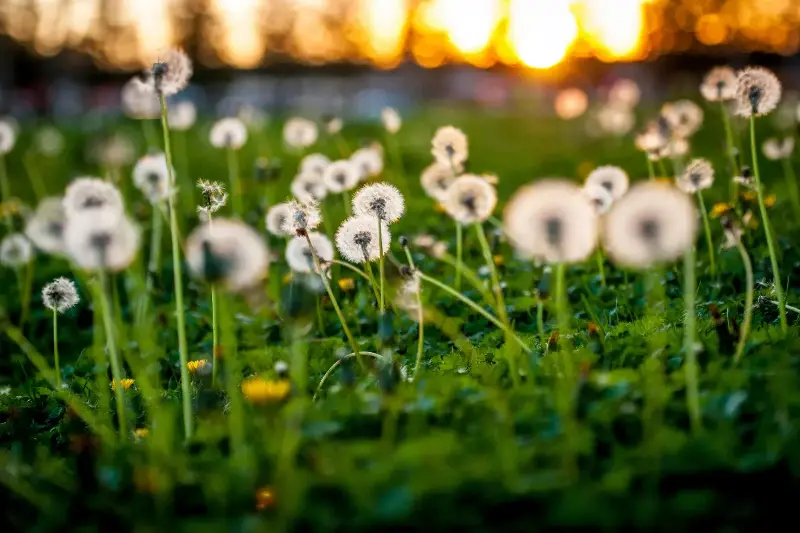
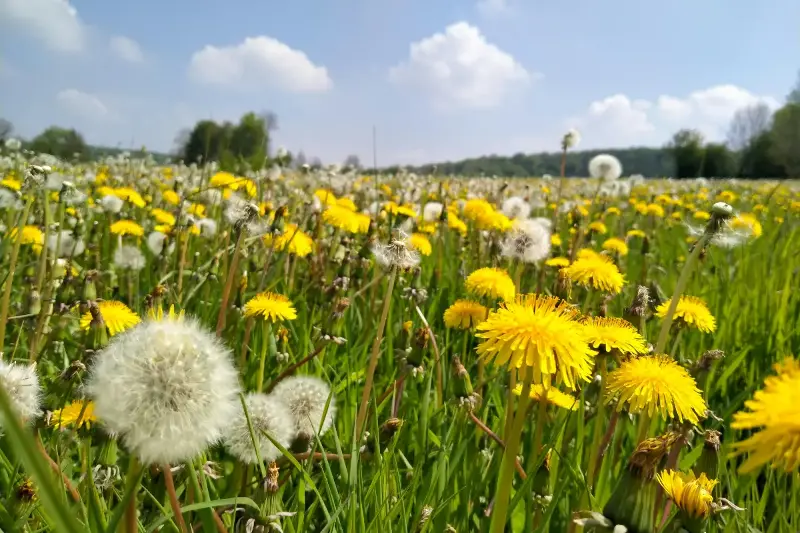
Bright yellow dandelions dotting a green field—almost everyone recognizes this cheerful bloom. But what if this so-called weed was actually a treasure trove of natural magic waiting to be discovered right beneath your feet?
Across centuries, cultures, and continents, dandelions have been used, admired, and sometimes misunderstood. Let’s dive deep into the enchanting world of dandelions, where science, folklore, and nature interlace in truly unexpected ways.
A BOTANICAL WONDER HIDDEN IN PLAIN SIGHT
Dandelions belong to the genus Taraxacum and, surprisingly, are not just a single species but a large group of closely related plants. The most common variety is Taraxacum officinale. Often mistaken as a nuisance, these resilient plants are actually incredible survivors and ecological mainstays.
What makes dandelions unique is their exceptional adaptability:
- Deep taproots: Their robust root system allows them to draw vital nutrients from deep below, naturally improving soil quality and aeration.
- Composite heads: Unlike many flowers, dandelion “petals” are actually numerous tiny flowers, called florets, clustered together.
This means each individual yellow strand is a complete flower with its own reproductive parts, maximizing the success of pollination and seed production.
NATURE’S INGENIOUS SEED DISPERSERS
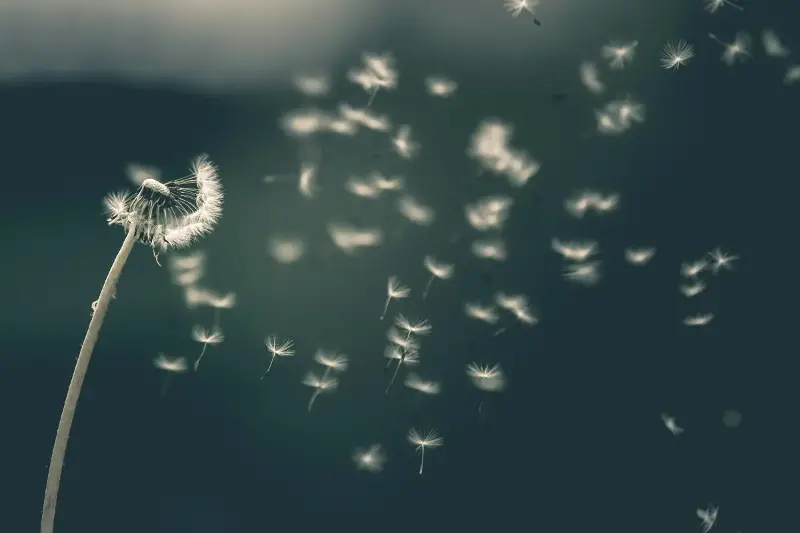
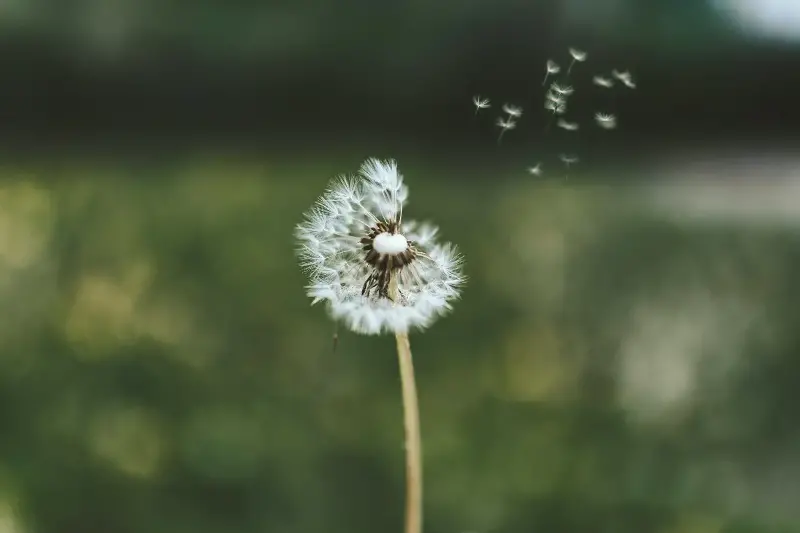
Perhaps the most magical feature of the dandelion is its seed dispersal mechanism. Once the golden flower head matures, it transforms into a delicate, fluffy globe of white tufts. Each tuft is attached to a seed and acts as a tiny parachute, allowing the seed to float through the air for impressive distances.
Studies have found that dandelion seeds can travel up to 5 miles, carried effortlessly by the gentlest winds. This parachute structure isn’t just beautiful—it’s an engineering marvel.
Scientists have discovered that dandelion parachutes take advantage of a unique air vortex phenomenon, allowing for a stable, slow descent and increasing the seed’s reach. This evolutionary strategy is so effective that modern engineers look to dandelions for inspiration when creating new forms of passive flight and tech-driven dispersal systems.
AN EDIBLE TREASURE TROVE
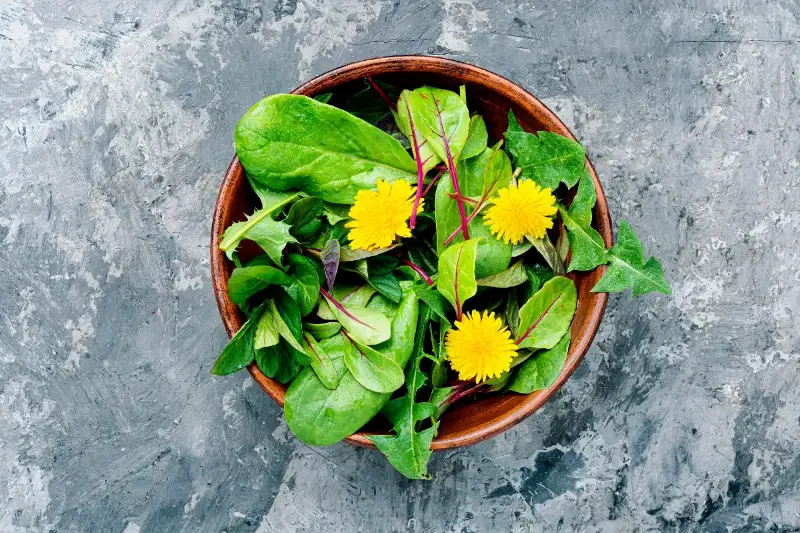
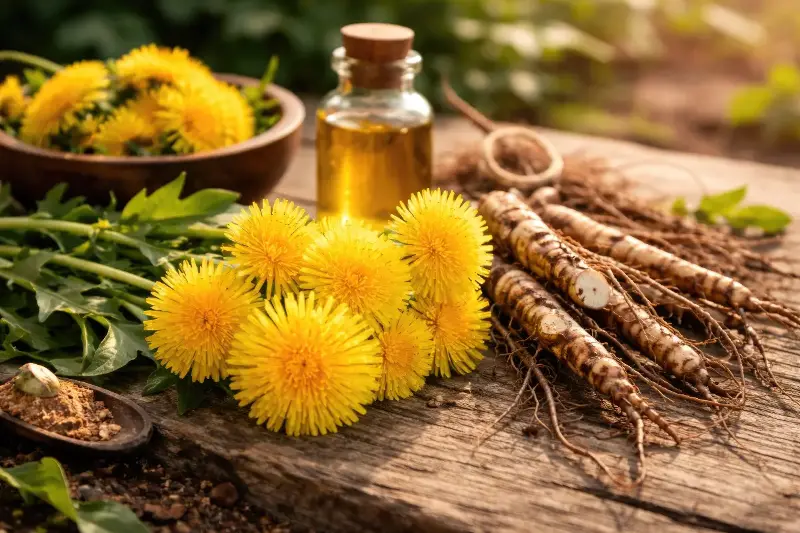
You may be surprised to learn that every single part of the dandelion is entirely edible and packed with vital nutrients. They offer an abundance of health benefits:
- Dandelion greens: These leaves offer more vitamin A than spinach and are loaded with vitamins C, K, and E.
- The roots: They have a long history as a rich, caffeine-free roasted herbal substitute and are packed with inulin, a prebiotic fiber that aids digestion.
- The blossoms: The bright yellow heads can be infused into sweet, golden syrups, herbal jellies, and traditional pantry preserves.
Native Americans and early European settlers made great use of dandelions not just as a reliable food source, but as a comforting natural remedy.
A TIME-HONORED HERBAL REMEDY
Traditional wellness practices from Europe to Asia have long valued the humble dandelion. Ancient healers regularly used them for detoxifying the body and aiding digestive wellness. Modern scientific inquiries are now backing many of these time-tested claims.
Research into dandelion extracts reveals notable anti-inflammatory, antioxidant, and wellness-supporting properties. In traditional Chinese practices, dandelion is considered a cooling herb used to balance body energy and ease liver congestion. In modern Western herbalism, soothing teas brewed from dandelion roots and leaves remain incredibly popular choices for refreshing daily detox routines.
ECOLOGICAL CHAMPIONS SUPPORTING BIODIVERSITY
Dandelions are not just friendlier to humans than we thought—they also support entire wildlife ecosystems. Their early spring blossoms are some of the very first nectar sources available to bees, butterflies, and other vital pollinators waking from winter. This seasonal head start is absolutely critical for pollinator survival during periods when other flowers are scarce.
Dandelions also enhance the health of nearby plants. Their deep roots draw up minerals from deep underground, cycling them back into the upper soil layers when the plant naturally decomposes. This process provides organic nourishment to the surrounding flora, improving both the soil quality and the strength of the local plant community.

A SYMBOL WOVEN INTO FOLKLORE AND CULTURE
If you’ve ever blown on a fluffy dandelion sphere and made a wish, you’ve participated in a beautiful tradition found worldwide. Dandelions appear constantly in myths and legends as symbols of hope, resilience, and positive transformation.
During Victorian times, people believed that carrying dandelion flowers would grant the receiver excellent luck. Various traditions held that dandelion seeds carried thoughts, dreams, or messages to loved ones far away. Because they can thrive in the most unlikely cracks and challenging environments, they remain an enduring symbol of strength and healing.
REIMAGINING A FAMILIAR FLOWER
Next time you spot a dandelion, perhaps you’ll see it in a completely new light. Far from an unwanted garden guest, dandelions reveal extraordinary resilience and elegance, intricately linked to the health of our environment and our shared history. Their bright presence at our feet is a daily reminder that natural magic often lies hidden in plain sight—if we simply choose to see it.