


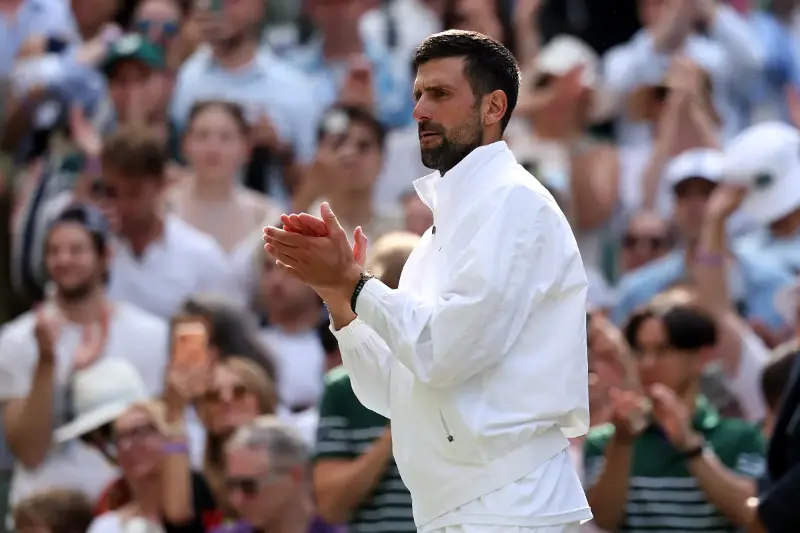
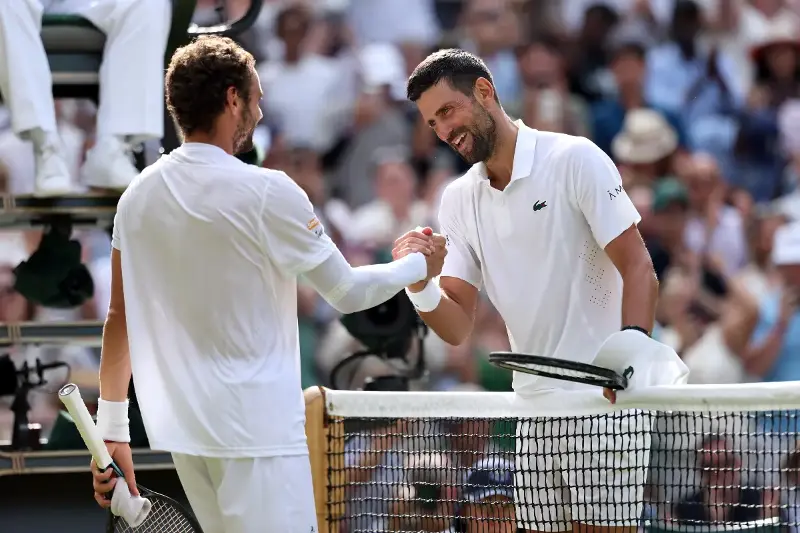
Novak Djokovic continues to carve his name deeper into the annals of tennis history, yet the path to greatness remains as arduous as ever. In his latest outing at Wimbledon, the Serbian superstar secured a hard-fought victory against qualifier Roman Safiullin, a win that propelled him into the quarterfinals and established a significant new milestone. By overcoming Safiullin in four sets, Djokovic surpassed Roger Federer’s long-standing record of 105 victories, officially becoming the male player with the most match wins in the history of the prestigious tournament.
Despite the historical significance of the triumph, Djokovic’s demeanor post-match was one of introspective analysis rather than pure celebration. The contest, which spanned 3 hours and 26 minutes, highlighted both the resilience of the seven-time champion and the unpredictable nature of top-tier tennis.
Battling The Unexpected
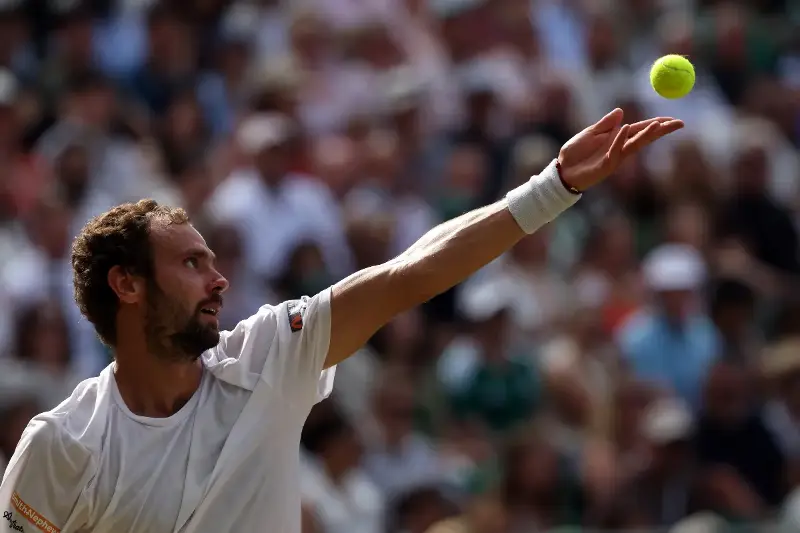
The narrative of the match was far from straightforward. Roman Safiullin, who entered the tournament without a single win on the ATP Tour this year, defied expectations with a remarkably composed performance. He pushed the former world number one throughout the encounter, notably creating two set points in the opening set and maintaining constant pressure that forced Djokovic into uncharacteristic mistakes.
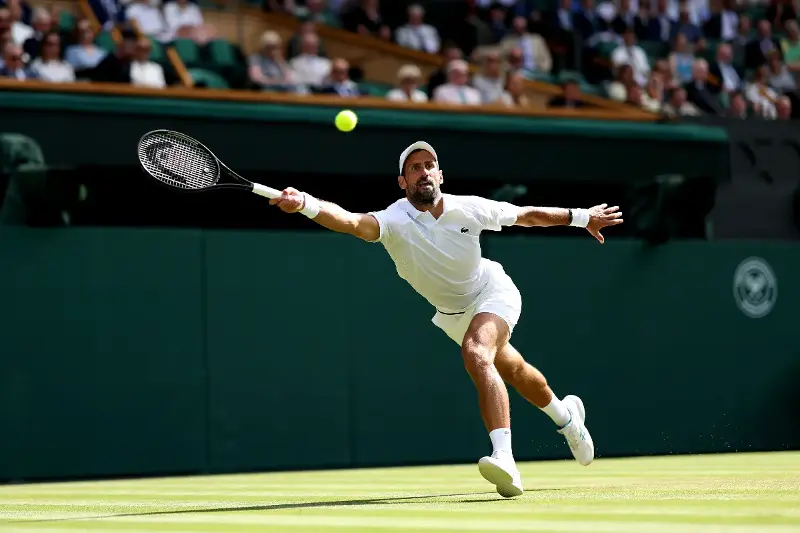
Djokovic struggled to find his rhythm for significant portions of the match, finishing with 37 unforced errors. While the physical demands of the grass court were evident, the Serbian was quick to clarify that his difficulties were not rooted in his physical condition. Instead, he pointed toward his technical execution as the primary obstacle he needed to overcome.
"I'm a perfectionist", Djokovic reflected after the match. "I always want to play my best tennis, give my best performance for myself and the audience. But that doesn't always happen, and sometimes it's hard to accept. Right after a match, I always feel that way. The important thing is to quickly overcome it, learn from it, and play better in the next match."
Tactical Adjustments Under Pressure
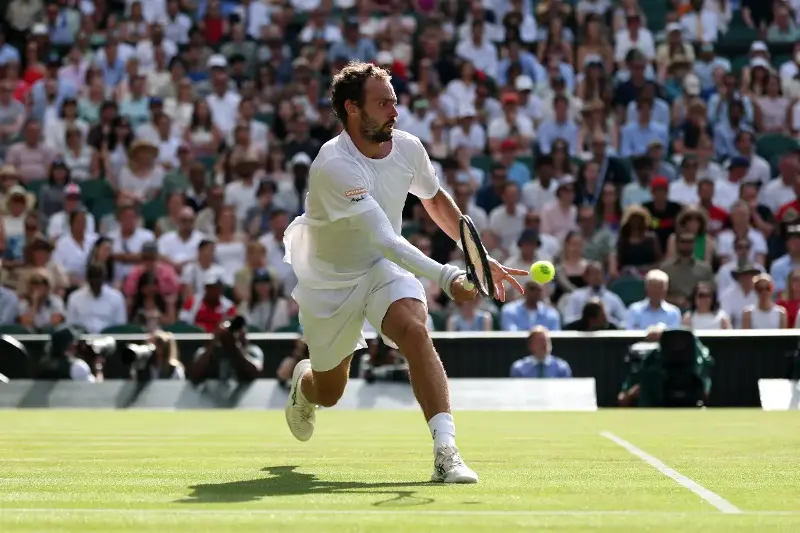
The turning point arrived after Djokovic dropped the third set. Recognizing the need to break Safiullin’s momentum, the 39-year-old opted for a strategic shift. He abandoned longer baseline exchanges in favor of a more aggressive, front-foot approach. By shortening the rallies and denying Safiullin the time needed to settle into his rhythm, Djokovic regained control of the tempo. This tactical adjustment proved decisive, allowing him to neutralize the Russian's threat and close out the match with the clinical efficiency expected of a champion.
This pattern of finding a way to win—even when not playing at his peak—has been a defining characteristic of his campaign so far. Djokovic has dropped at least one set in three out of his four matches at this year’s tournament. While such statistics might signal vulnerability to some, they underscore his unique ability to adapt and persevere while remaining firmly on track in his pursuit of a historic 25th Grand Slam title.
Looking Toward The Quarterfinals
As the tournament enters its business end, the level of competition is set to intensify. Looking ahead, Djokovic is scheduled to face Felix Auger-Aliassime in the quarterfinals. The challenge will undoubtedly be significant, and the Serbian is fully aware that he will need to elevate his game to progress further.
With the record now firmly in his possession, Djokovic’s focus shifts entirely to the next hurdle. His journey has been characterized by a blend of technical mastery and an unrelenting mental fortitude that allows him to troubleshoot his own game in real-time. Whether he can find the "perfection" he seeks in his upcoming match against Auger-Aliassime remains to be seen, but his track record suggests that he will arrive on the court ready to refine his performance and continue his march toward another major trophy.