


Imagine a classroom where students aren’t just listening to lectures or filling out worksheets. Instead, picture them building robots, running simulations, tending gardens, solving real-life mysteries, pitching business ideas, or immersing themselves into local communities. This is the vision—and now the reality—of experience-based learning, a modern educational movement transforming schools and captivating the curiosity of students from Tokyo to Toronto.
The Shift From Traditional To Experience-Based Learning
For decades, traditional education emphasized memorization, rote learning, and standardized testing. While these methods produced high exam scores and factual recall, critics argued that they often failed to foster critical thinking or provide real-world skills. As the 21st century brings rapidly changing workforce demands and unprecedented access to technology, educators worldwide are rethinking the very foundation of learning.
Experience-based learning—sometimes called experiential learning—places students at the center of their education. Instead of passively receiving information, learners actively engage with knowledge through experiments, projects, internships, or fieldwork. The American philosopher John Dewey, champion of this approach over a century ago, claimed, “Education is not preparation for life; education is life itself.” Today’s tech-savvy classrooms are finally bringing Dewey’s vision to life on a global scale.

How Experience-Based Learning Works
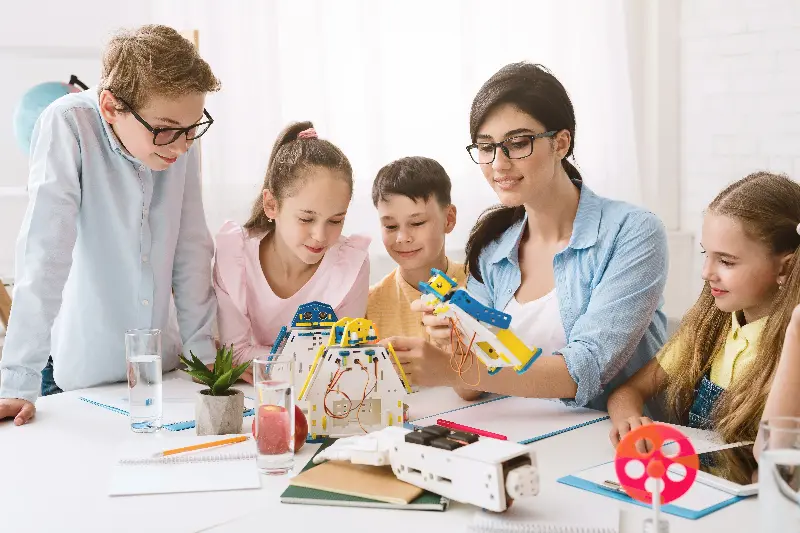
At its core, experience-based learning is about “learning by doing”—and then reflecting on that process. A science class, for instance, might ditch the textbook in favor of constructing weather stations to track local climate data. In history lessons, students may reenact major events, role-play primary historical figures, or even create podcasts interviewing “witnesses” to the past.
International schools in Finland and Singapore—both recognized for top academic performance—have implemented project-based curricula for years. These programs dive deep into subjects, allowing students to research, design, and present solutions for real-world issues like urban planning, renewable energy, or community health. Not only do students remember the information better, but they also learn communication, teamwork, and problem-solving skills that no multiple-choice test can measure.
What makes this method even more powerful? Students are encouraged to make mistakes and learn from them. Pioneering schools in the United States and Europe use “design thinking labs” where students iterate designs, fail, receive feedback, and try again, simulating the life of real engineers and innovators. This kind of learning transforms errors into lessons and setbacks into stepping stones for creative thinking.
Benefits Of Experience-Based Learning
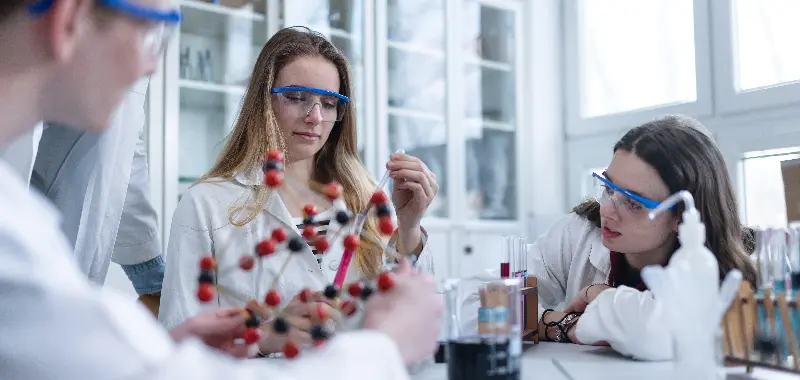
The impact of experience-based education stretches far beyond better grades or test results. Numerous studies show that students immersed in hands-on learning are more motivated, develop deeper understanding, and retain knowledge longer. According to a 2019 study by the Organisation for Economic Co-operation and Development (OECD), students involved in project-based and experiential activities scored higher in engagement and problem-solving abilities compared to those in traditional classrooms.
Other research highlights a boost in “soft skills” essential for today’s careers—collaboration, adaptability, leadership, and digital literacy. For instance, a project to develop a school recycling program doesn’t just teach about pollution; it builds teamwork, planning, communication, and even public speaking skills as students pitch their ideas to local authorities.
One of the most exciting aspects of experience-based learning is its power to connect students to their communities and even the world. In South Africa, learners work alongside local environmentalists to restore habitats. In rural China, students document village oral histories, preserving culture while practicing language and interviewing techniques. This global reach instills empathy, cultural understanding, and a sense of real-world impact.
Challenges And The Road Ahead
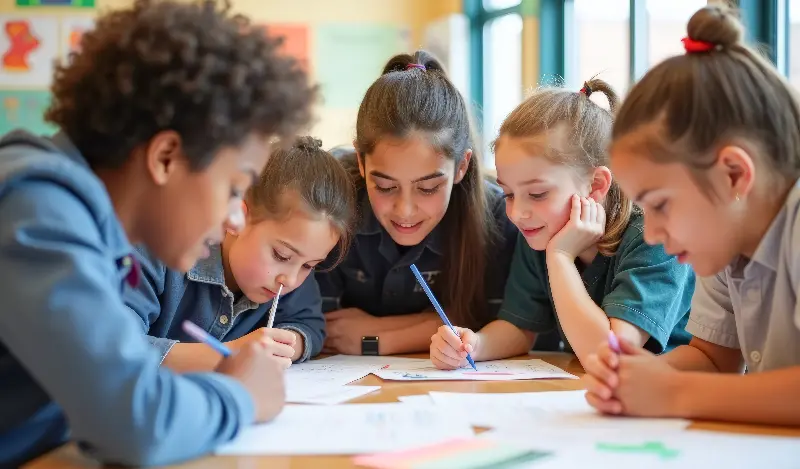
No revolution is without its hurdles. For teachers, shifting to experience-based methods may require new training or resources. Not every school has access to makerspaces, STEM kits, or local partnerships. Standardized testing remains a barrier in many regions, forcing educators to “teach to the test” rather than experiment with open-ended projects.
Yet creative solutions are emerging. International organizations and online platforms now offer virtual field trips, coding simulators, and interactive science labs. Across continents, teachers exchange ideas through global networks, sharing lesson plans for service learning, entrepreneurship, or environmental action.
Governments and private foundations are beginning to recognize the value of this approach by investing in STEAM (science, technology, engineering, arts, and math) education, supporting community-based programs, and encouraging flexible curricula. As these efforts grow, experience-based learning is poised to become the new default—not the exception—in classrooms worldwide.
The revolution of experience-based learning is more than a trend; it represents a shift in how we view education itself. When students take ownership of their learning, collaborate with peers, and test their ideas in the real world, school becomes an adventure rather than a chore. As more teachers, parents, and policymakers embrace this method, the next generation will graduate not just with facts, but with the curiosity, creativity, and confidence to shape our world.