


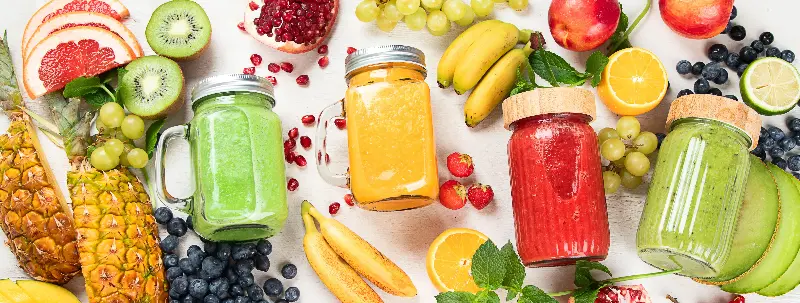
When it comes to wellness trends, few have captured our imagination quite like fruit detoxes. With their photogenic juices, bold claims of toxin-flushing powers, and promises of newfound vitality, it’s easy to see why “fruit cleanses” are so popular. But can loading up on watermelon, squeezing endless lemons, or drinking gallons of green smoothies truly detox your body? Let’s uncover the real story behind the fruit cleanse craze and see if these juicy fads live up to the hype.
THE ORIGIN OF THE CLEANSE CRAZE
Tracing the roots of fruit-based cleanses brings us back centuries, when fruits were revered for their natural sweetness and health-boosting properties. In modern times, however, fruit detoxes evolved into structured regimens: think 3-day apple-only diets or week-long juice fasts.
Proponents often claim these diets can:
- Flush out toxins accumulated from processed foods.
- Restart your system to eliminate cravings.
- Achieve rapid weight loss in a matter of days.
Social media influencers and celebrities frequently boast about radiant skin and mental clarity. However, before abandoning regular meals in favor of pineapple slices, it’s essential to examine the actual science of human biology.
FRUIT AND YOUR BODY’S NATURAL DETOX SYSTEM
Your body is a detoxification marvel—no harsh regimens required. Organs like the liver, kidneys, lungs, and even your skin are designed to continually filter out harmful compounds.
The liver breaks down toxins so they can be excreted, while the kidneys filter blood to remove waste through urine. Fruits support this process by providing:
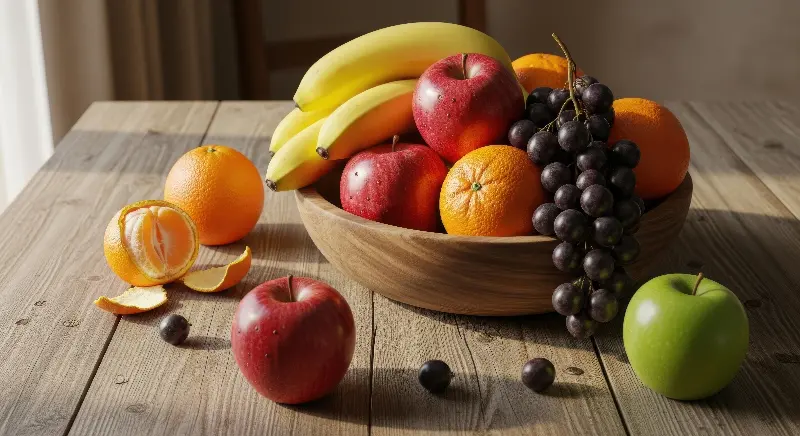
- Antioxidants: Vitamin C in oranges and strawberries helps defend cells from damage.
- Fiber: Found in apples and berries, it promotes regular bowel movements, a primary way the body removes waste.
- Hydration: Many fruits are over 80% water, aiding kidney function.
Despite these benefits, eating fruit won’t transform your organs into turbocharged cleaning machines. There is no scientific evidence that fruit-only diets draw out toxins faster than your body already does on its own.
WHAT REALLY HAPPENS DURING A FRUIT CLEANSE
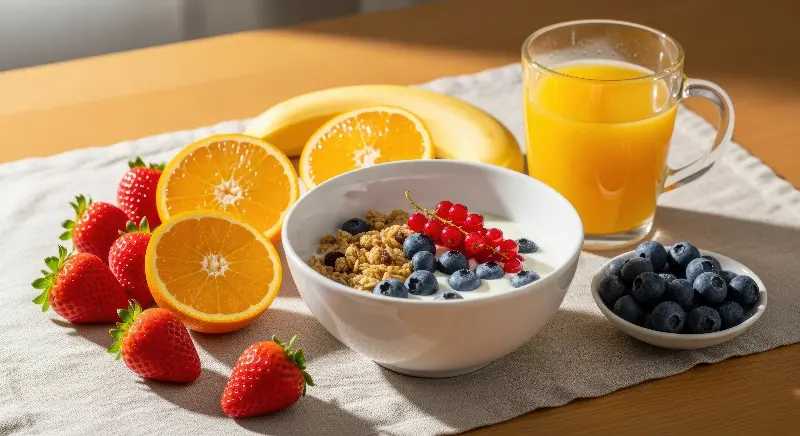
Short-term fruit-only diets often lead to rapid weight loss, but don’t be fooled. Most of this loss is water weight and stored carbohydrates (glycogen), not body fat. Once you return to a normal diet, the pounds typically reappear.
Furthermore, these regimens often lack:
- Protein: Essential for muscle maintenance and immune function.
- Healthy Fats: Necessary for hormone production and vitamin absorption.
- Micronutrients: Such as Iron, Zinc, and Vitamin B12.
In the first few days, you might feel a "natural high" due to the high sugar content and increased hydration. However, prolonged cleanses often result in fatigue, dizziness, and unstable blood glucose levels.

FASCINATING FRUIT FACTS AND THEIR TRUE BENEFITS
While fruit isn't a magic "detox elixir," it offers genuine physiological perks when part of a balanced plate:
- Pomegranates: Contain punicalagins, antioxidants that help reduce inflammation.
- Blueberries: Often called "brain berries" because their phytochemicals support cognitive function.
- Bananas: Rich in potassium, helping muscles and nerves function correctly.
- Apples: Contain pectin, a soluble fiber that feeds the "friendly" bacteria in your gut.

HOW TO TRULY SUPPORT YOUR BODY’S DETOX ABILITIES
Supporting your body’s built-in systems doesn’t require dramatic restriction. Instead of a temporary cleanse, focus on sustainable lifestyle habits:
- Eat the Rainbow: Consume a variety of colorful produce for a diverse range of antioxidants.
- Prioritize Hydration: Drink plenty of water to assist your kidneys in their daily flushing abilities.
- Include Lean Proteins: Provide the amino acids your liver needs to process chemicals effectively.
- Move Regularly: Exercise boosts circulation, helping your body transport waste products to be filtered.
- Limit Processed Sugars: Reducing the load on your liver is more effective than any juice fast.
Thinking of fruit as a daily pleasure rather than a detox savior helps you build a healthy, happy relationship with food. The most refreshing “cleanse” comes not from what you take away, but from the balance and variety you add to your plate.