


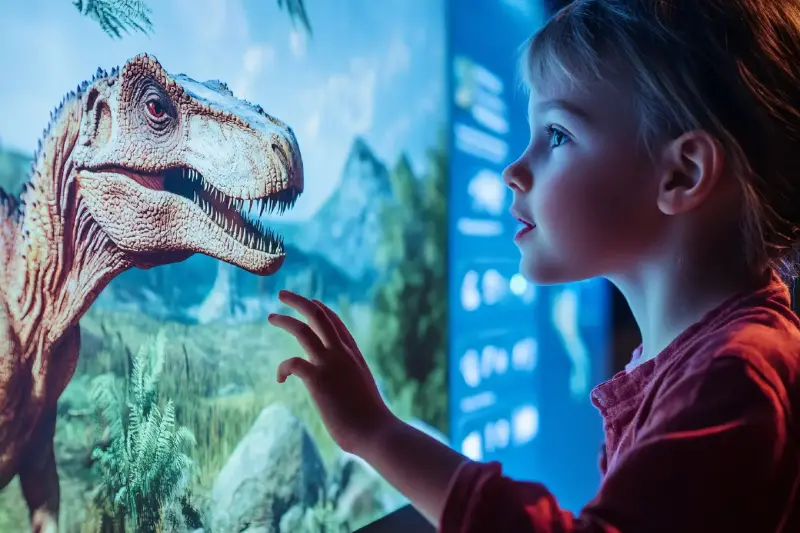
Interactive entertainment is taking the world by storm, and audiences everywhere are trading their passive viewing habits for something more immersive. From video games to virtual concerts, the ways we consume content are changing—putting the viewer right in the center of the action. Why is this shift happening, and what makes interactive, immersive content the new king of entertainment? The answers are as fascinating as the experiences themselves.
The Rise Of Participation Over Passive Watching
For decades, movies, television, and music were one-way streets: we watched, listened, and absorbed, but rarely interacted. That’s changing fast. With the explosion of digital technology and social media, audiences want—and expect—to have a say in their entertainment experiences.
This desire for participation isn’t limited to gaming or the younger crowd. According to Statista, more than 47 percent of adults across all age categories now regularly engage with interactive content, from “choose your own adventure” shows on streaming platforms to music apps that allow listeners to remix songs. The trend is clear: people want more than just to be entertained—they want to be involved.
Technological Innovations Drive Immersion
New technologies are making immersive experiences possible in ways we only dreamed of a few years ago. Virtual reality (VR) and augmented reality (AR) are no longer science fiction. Devices like Meta Quest and Apple Vision Pro have brought VR into living rooms worldwide, letting users step inside their favorite stories or games. The Pokémon GO craze, which saw millions hunting virtual creatures on real-world streets, was just the beginning.
But immersive content isn’t limited to headsets and consoles. Interactive films, such as Netflix’s “Black Mirror: Bandersnatch,” invite viewers to actively make decisions that direct the story’s path. Complex branching narratives, once the domain of video games, are entering mainstream media—and audiences love the control they offer.
Entertainment As A Social Experience
Another reason immersive content is so compelling is its ability to foster connection. While sitting alone in a movie theater or binge-watching on the couch can be enjoyable, interactive entertainment often invites—or outright requires—collaboration. Multiplayer games, virtual escape rooms, and even live-streamed fitness classes are examples of how entertainment is becoming a shared, social activity.
Platforms like Twitch have taken this even further. Watching a gamer play no longer means sitting on the sidelines; viewers influence gameplay, participate in polls, and chat live with both the streamer and other fans. This real-time engagement blurs the line between audience and performer, making every session unique.
Personalization Is The Name Of The Game
Imagine a romantic comedy that adapts its plot based on your preferences, or a concert where the next song in the setlist is chosen by the crowd in real time. Personalization is at the heart of interactive content, and it’s a powerful motivator for today’s audiences.
Entertainment companies now use sophisticated data analytics to customize content offerings. Streaming platforms recommend shows and movies based on viewing habits, and music services create playlists tailored to the listener’s mood. But the next wave of personalization goes even deeper, letting users shape outcomes, create avatars, and design their own experiences.
This emphasis on choice and individual expression resonates strongly with viewers. It transforms entertainment from a static product to a living, evolving experience—one that feels personal and meaningful.
Surprising Benefits For Learning And Creativity
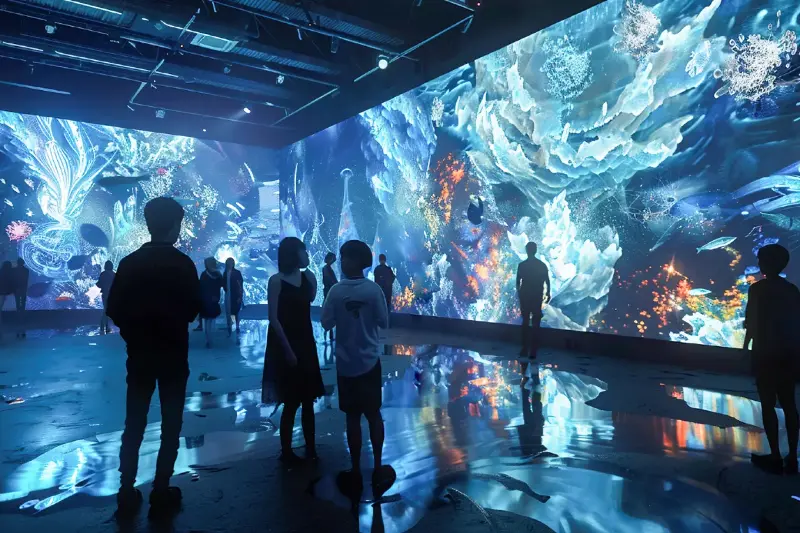
While immersive content is usually associated with fun, its benefits reach far beyond entertainment. Interactive experiences can boost creativity, problem-solving skills, and memory retention. Escape rooms and narrative-driven games, for example, challenge players to think critically and make quick decisions. Virtual museum tours let guests explore exhibits at their own pace, engaging deeply with art and history.
Interactive media have also found a significant role in education. Classroom VR simulations let students step into ancient cities or handle virtual scientific equipment, making learning both memorable and accessible. The combination of entertainment and education—sometimes called “edutainment”—is opening doors for knowledge sharing in innovative and exciting ways.
The Business Case: Loyalty, Data, And Growth
From a business perspective, the rise of interactive content is a win-win. Engaged users spend more time with a platform, generating valuable data and building loyalty. According to a report by Deloitte, users are 60 percent more likely to return to an app or service if it offers interactive features.
Audience insights gained from interactive content enable creators to fine-tune experiences, roll out new features, and respond swiftly to viewer feedback. For brands, immersive media also presents novel opportunities for advertising—think virtual try-ons, branded game items, or “choose your discount” shopping experiences.
In Conclusion
Interactive and immersive content isn’t just a trend; it’s a revolution in how we connect with stories, with art, and with each other. As technology continues to evolve, the barriers between creators and audiences will fall away even further, making entertainment more personal, more social, and more unforgettable than ever before. Step inside—you might just be surprised by how much fun you have when you’re part of the show.