



Once dismissed as nothing more than casual wear for skaters and urban youths, streetwear has reinvented itself—and in a big way. Today’s street style is no longer just about looking good, but about wearing your values.
In a world grappling with the consequences of fast fashion, the sustainable streetwear movement is changing how we think about what we put on our backs. Far from being a fleeting trend, it is carving a path at the heart of modern fashion by blending creativity, eco-consciousness, and urban edge.
Sustainable Streetwear: More Than Fabric And Cuts
At its core, this movement is about making a statement that goes beyond logos. Brands are prioritizing ethical production and fair labor practices, understanding that the market wants genuine change.
- Innovative Materials: Brands are utilizing recycled and organic fabrics, such as T-shirts spun from post-consumer plastic bottles and hoodies dyed with plant-based pigments.
- Closing the Loop: Industry leaders like Pangaia and Patagonia are rethinking the garment lifecycle. Many now offer repair programs or take-back schemes to upcycle worn pieces into new designs.
- Ethical Ethos: The focus has shifted from "take-make-dispose" to a circular economy that respects both the maker and the environment.
A New Kind Of Cool: Transparency And Storytelling
The modern streetwear consumer—a mix of Gen Z and millennials—values transparency. Social media has turned every thread into a potential story, and brands are no longer shy about showing their inner workings.
- Behind the Scenes: Instagram Stories and documentaries highlighting natural dyeing or slow stitching have made the process a point of pride.
- Identity through Purchase: Buying a pair of kicks has become an act of identity. It is a way to wear your beliefs as boldly as a slogan tee, knowing exactly where the cotton was grown and how the workers were treated.

The Genderless Revolution And Diverse Voices
Traditionally, streetwear leaned masculine, but the sustainable wave is smashing those barriers.
- Unisex Collections: Labels are championing designs that work for any gender, heightening the appeal of sustainability to everyone who loves self-expression.
- Cultural Authenticity: Diversity also means giving a voice to underrepresented cultures. Collaborations with indigenous artisans inject heritage into contemporary designs, preserving age-old techniques through fair-trade artistry.
The Tech Behind The Trends
Technology is the engine driving this revolution. From advanced recycling to digital design tools, tech ensures that looking good doesn't cost the earth.
- Blockchain Transparency: Some labels allow you to scan a QR code to see a garment’s entire journey from farm to warehouse.
- Waste Reduction: 3D design and virtual try-ons minimize the waste caused by overproduction.
- Smart Drops: The concept of "limited drops" now aligns with sustainability by ensuring small-batch exclusives and minimizing unsold inventory.
A Community-Led Movement
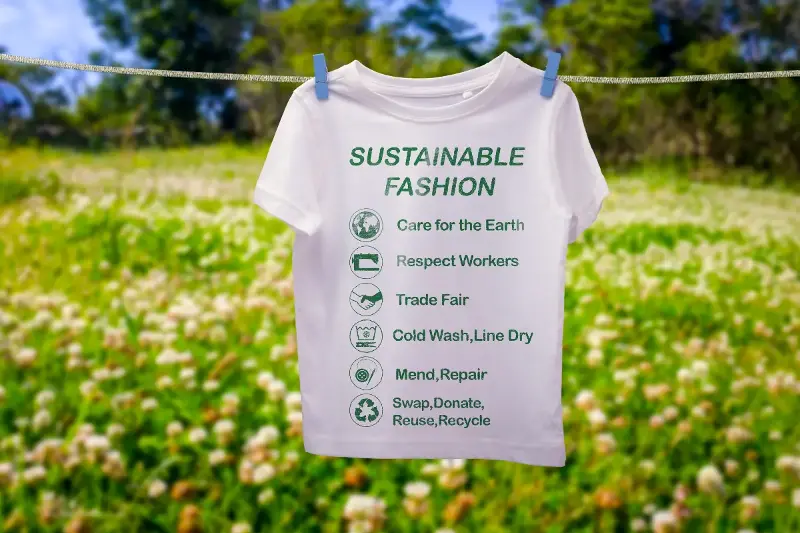
Perhaps the most remarkable twist is how this movement is powered by the people. Online forums, pop-up swaps, and thrift events have become hotbeds of idea-sharing.
- Accountability: Consumers are educated and vocal, holding brands accountable through digital activism.
- The Upcycling Craze: Streetwear’s DIY roots have birthed a culture of customization. Individuals are breathing new life into old garments with patches and embroidery, strengthening the emotional bond between the person and their wardrobe.
Breaking The Fast Fashion Cycle
By choosing sustainable streetwear, consumers participate in a “less is more” mindset. The environmental impact—waste, carbon emissions, and polluted rivers—is simply too large to ignore.
- Capsule Wardrobes: Building a style around versatile, ethical pieces is now celebrated for its minimal footprint.
- Investment Pieces: While the initial cost may be higher, buyers see these garments as long-term investments. The quality and the meaning behind the purchase discourage the notion of disposable style.

A New Standard For Fashion’s Future
If fashion is a way to express identity, sustainable streetwear offers a chance to express integrity. Its mix of sharp creativity and ethical principles shows that looking great and doing good are no longer mutually exclusive. This movement is proof that street style can evolve, not just to fit the moment, but to shape a better future—one thoughtfully crafted piece at a time.