


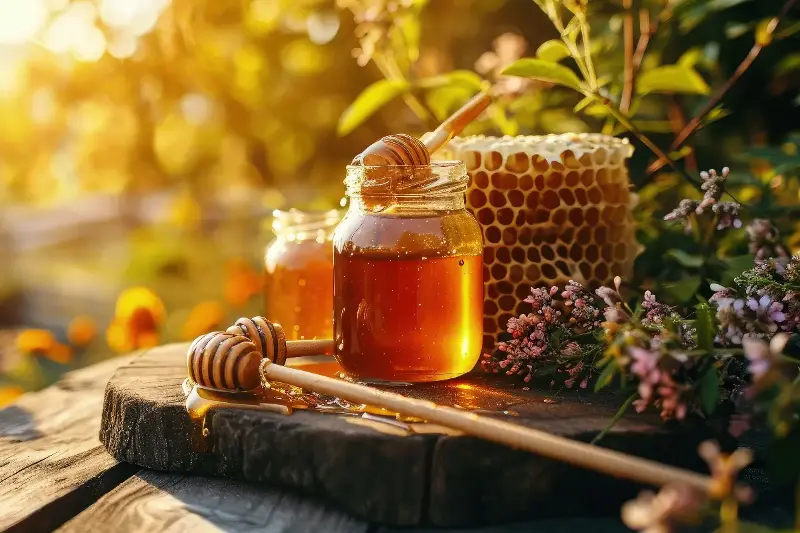
Honey has been treasured for thousands of years as a natural sweetener, a soothing ingredient, and a flavorful addition to foods from morning teas to artisanal cheese boards. Yet not every jar on a supermarket shelf offers the same exceptional standard. Honey varies enormously based on the flowers visited by bees, the production region, and how gently it was handled after harvesting.
Fortunately, making smarter choices does not require a laboratory. A few practical checks, combined with careful label reading and realistic expectations, can help you find a product that tastes authentic, vibrant, and pure.
Start With the Label
A reliable honey label should be entirely transparent about what is inside the jar.
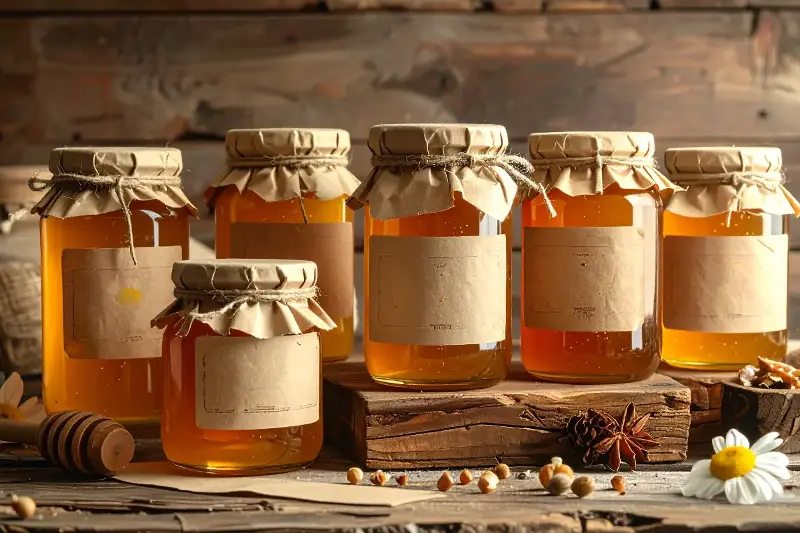
- Check the Ingredients: Look for a list that says only “honey”. If it includes glucose syrup, sugar syrup, or added flavorings, it is not pure honey.
- Look for Traceability: A label naming one specific country, region, or local beekeeper offers far better traceability than vague wording like “blend of honeys”.
- Explore Varietal Descriptions: Acacia honey is pale and delicately mild, while chestnut honey is dark and robust. Wildflower varieties naturally evolve from season to season as bees gather nectar from diverse blooms.
- Understand the Terms: Labels like “raw” typically mean the honey has not been extensively heated, preserving its natural character. Organic certifications reflect strict beekeeping standards, though the honey may still crystallise naturally over time.
Engage Your Senses
Authentic honey has a distinct personality that goes far beyond plain sweetness.
- Aroma: Take a gentle smell before tasting. Depending on its floral origin, genuine honey can smell fruity, herbal, floral, or lightly caramel-like.
- Flavor: On the tongue, quality honey unfolds in layers. You may notice subtle notes of citrus blossom, warm malt, or delicate spices as it melts.
- Texture & Color: Honey ranges naturally from nearly transparent gold to deep, rich amber. Some honeys pour freely, while others are naturally thick, creamy, or velvety.
If a honey tastes purely of sugar with no aroma or complexity, it may simply be an ultra-mild variety—or it might be time to compare it against a jar from a local beekeeper.
Understand Natural Crystallisation
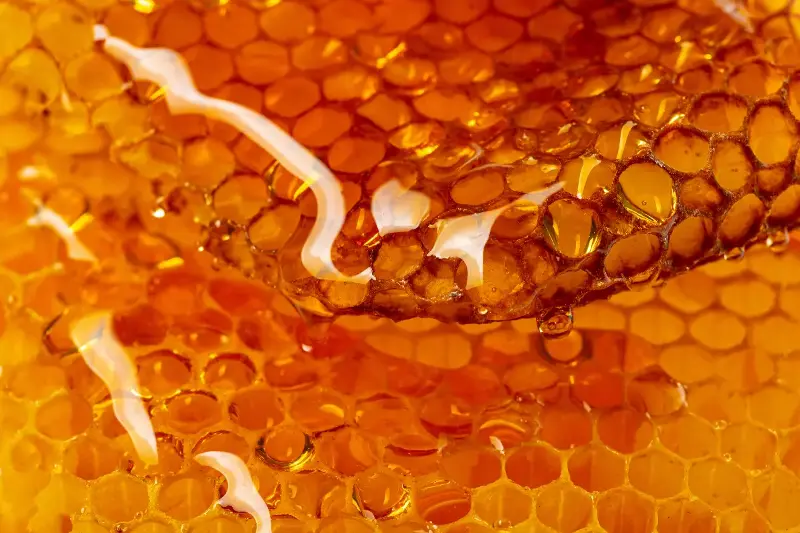
Crystallisation is one of the most misunderstood aspects of honey. Many assume that solid or grainy honey has spoiled, but it is actually a reassuring sign of pure honey.
Honey is a concentrated natural solution of fructose and glucose. Over time, glucose naturally forms crystals, especially in cooler conditions. Varieties higher in glucose, like clover honey, set quickly, whereas high-fructose honeys, like acacia, stay liquid longer.
Crystallised honey is completely safe and offers a rich, spreadable texture. To gently soften it, simply place the jar in a bowl of warm water and stir. Avoid boiling water or microwave heating, as high temperatures can dull delicate floral aromas.
Focus on Transparent Sources
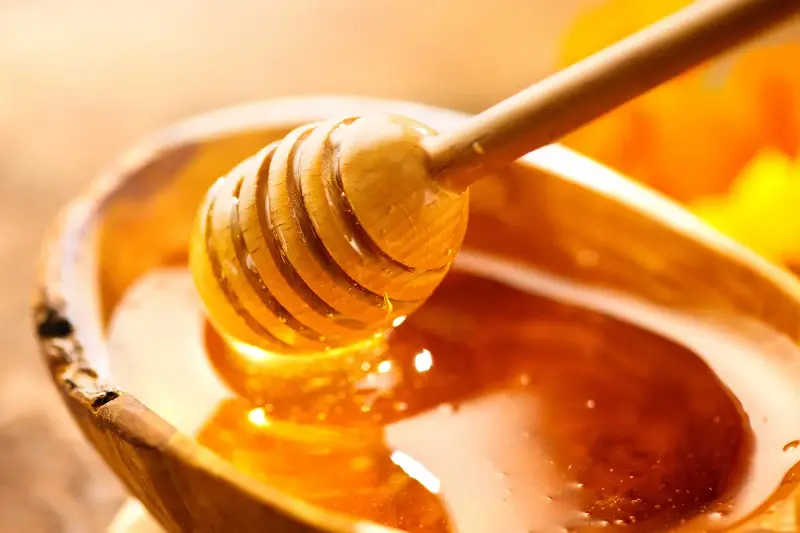
Rather than relying on unproven internet tricks like water or flame tests—which fail because real honey behaves differently depending on moisture and floral origin—put your trust in transparent sources.
Buy from local beekeepers, farmers' markets, specialist food shops, or established, reputable brands. Do not hesitate to ask simple questions: Where were the hives placed? Which flowers were in bloom? A passionate producer is always delighted to share their story.
Caring for Your Honey
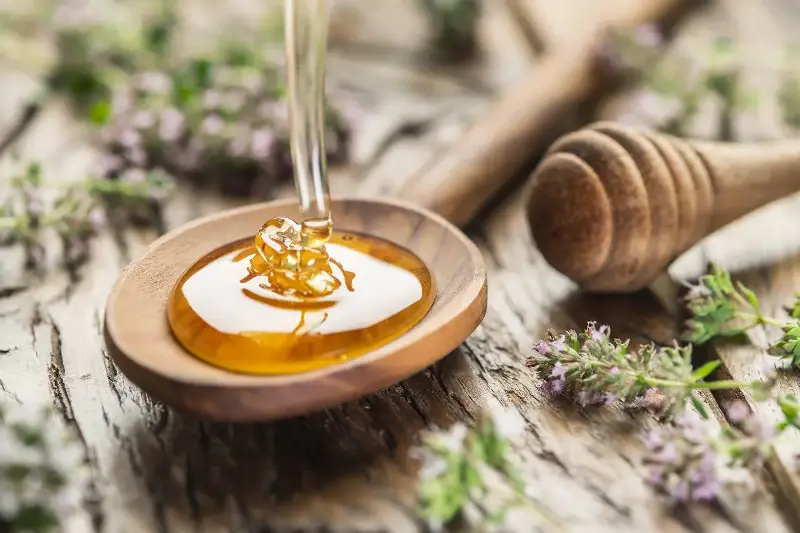
To preserve freshness, store your jar tightly sealed in a cool, dry cupboard away from direct sunlight. Refrigeration is unnecessary and accelerates setting.
Important Safety Note: Honey should never be given to infants under 12 months old, as their developing digestive systems are sensitive to natural spores.
The finest honey is not necessarily the clearest or most expensive jar. It is a product with a clear story, a pure ingredient list, and a rich flavor that celebrates real flowers and real bees.