


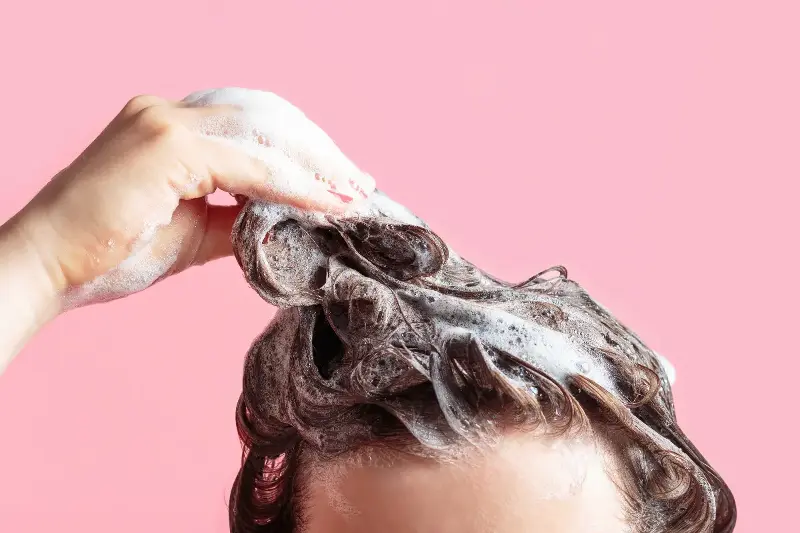
Hair washing is one of the most debated parts of any beauty routine. Some people feel fresh and confident only after a daily shampoo, while others stretch washes for several days to protect their hair’s natural oils. The truth is simple: there is no single ideal schedule for everyone. Daily washing can be helpful, unnecessary, or even irritating depending on your scalp, hair type, styling habits, and product choices.
Your scalp produces sebum, a natural oil that supports the skin barrier and adds lubrication to hair. Production varies widely based on genetics, age, climate, exercise, and season. A routine that works beautifully for one person may leave another with greasy roots or dry, stressed lengths.
What Daily Washing Accomplishes
Washing every day removes sweat, oil, styling residue, pollution particles, and dead skin cells. For individuals with oily scalps, fine strands, frequent exercise schedules, or jobs involving heat and dust, daily shampooing keeps hair looking clean and feeling comfortable.
- Fine and Straight Hair: Fine hair appears oily quickly because sebum travels down slim hair shafts with ease. Straight hair also shows grease faster since there are no bends or curls to slow oil movement.
- Potential Over-Cleansing: Strong cleansing formulas used daily can strip away protective lipids, leaving the scalp tight, itchy, or flaky.
- Impact on Hair Lengths: Frequent cleansing can leave lengths rough, dull, and prone to tangles—especially if strands are colored, heat-styled, or naturally dry.
Prioritizing Your Scalp Over Hair Length
The best washing schedule should be based primarily on scalp condition, not on how dry the ends feel. It is very common to have an oily scalp and dry ends at the same time, particularly with long, curly, or chemically treated hair.
- Oily Scalp Care: Use formulas described as balancing, clarifying, or suitable for frequent use. If your roots become oily within 24 hours, there is no need to delay washing just because social media advocates for less cleansing.
- Dry or Sensitive Scalp Care: Signs include itching, visible flaking, stinging, or a tight "squeaky clean" sensation. Choose a mild, fragrance-free shampoo, wash less frequently, and stick to lukewarm water rather than hot water.
- Addressing Flakes: Flaking is often linked to oil balance, skin sensitivity, and natural skin yeast. Regularly using an appropriate anti-dandruff shampoo helps maintain a clear, healthy environment.
Adapting the Routine to Hair Texture
Different hair textures interact with natural oils in unique ways, requiring tailored approaches to cleansing:
- Curly and Coily Hair: Benefits from less frequent shampooing—often once a week or every seven to ten days—because natural oils do not travel easily along textured strands. Use a light mist or gentle scalp refresher between wash days.
- Thick Hair: May not display oil quickly, but product buildup from creams, gels, and dry shampoo still accumulates. Periodic, thorough cleansing remains essential.
- Color-Treated or Fragile Hair: Needs extra protection. Frequent washing causes color to fade faster and increases dryness. Use a color-safe shampoo, apply conditioner generously to mid-lengths and ends, and wash with cooler water.
Washing Wisely Without Overdoing It
Gentle application technique prevents damage during frequent washes. Focus your shampoo directly on the scalp where oil and buildup gather, letting the foam gently run down the lengths rather than scrubbing the ends aggressively. Massage with soft fingertips rather than fingernails to protect delicate skin.
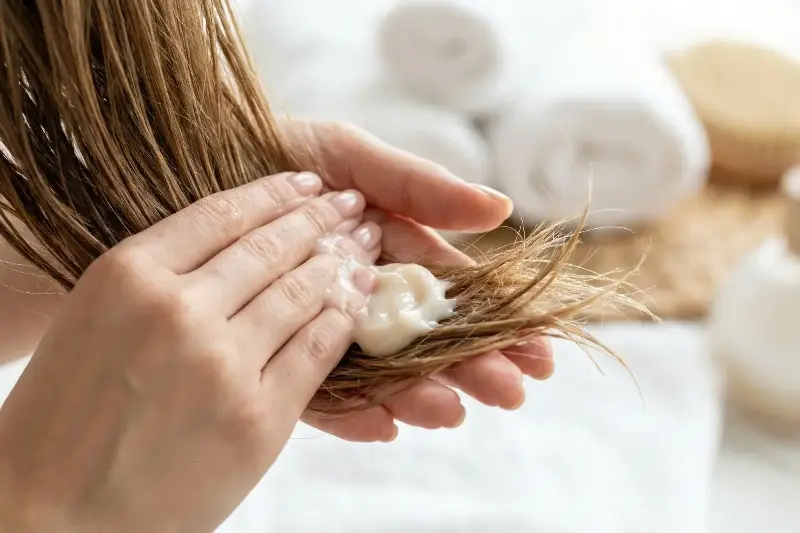
Always concentrate conditioner from the mid-lengths to the ends. While dry shampoo is convenient for absorbing oil and adding volume between washes, it does not remove sweat or dead skin. Think of it as a temporary styling aid rather than a replacement for water and shampoo.
Finding Your Personal Balance
A great routine leaves your scalp comfortable, your roots fresh, and your lengths manageable. You may need daily washing if your scalp gets oily or sweaty quickly, or you may prefer washing every two to four days if your hair stays clean longer. Pay attention to environmental changes, adjust your schedule gradually, and focus on what keeps your hair feeling vibrant and healthy.